Biltong: A Taste of Southern Africa – Dried, Cured Meat

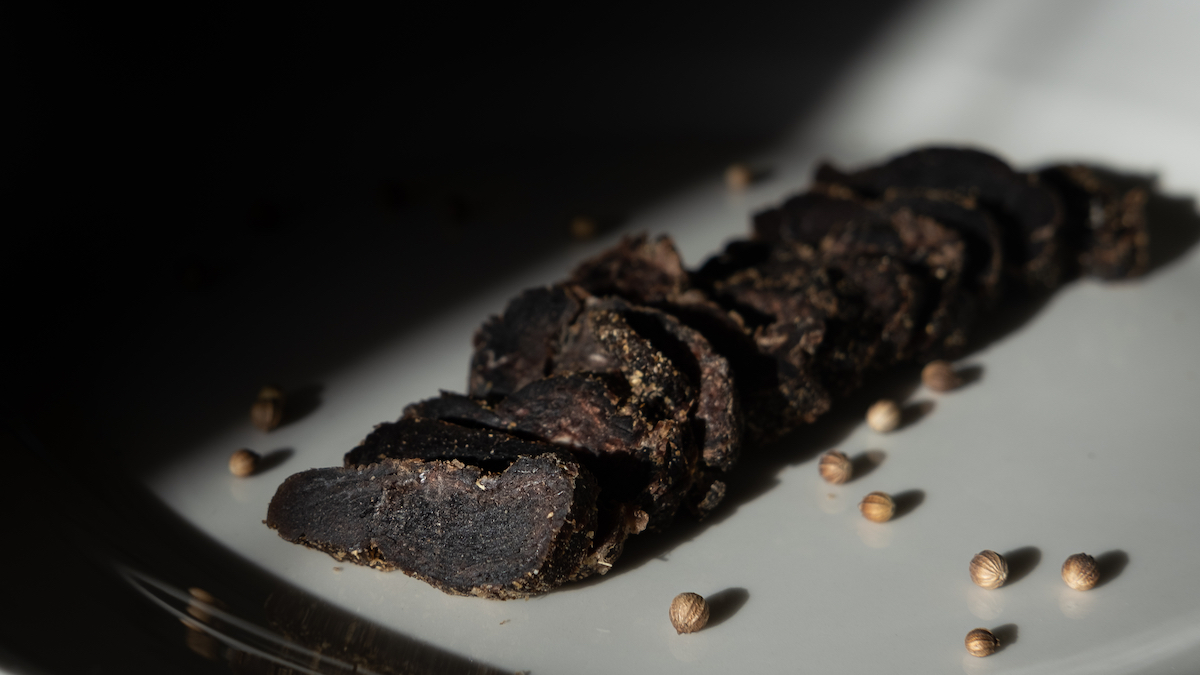
premiumtix.net – Biltong, a beloved South African snack, is a type of air-dried, cured meat that has gained popularity worldwide for its unique flavor and texture. This article delves into the history, production process, and cultural significance of biltong, exploring why it has become a staple in many households and a popular choice for outdoor enthusiasts.   

A History Steeped in Tradition

Biltong’s origins can be traced back to the 17th century when Dutch settlers arrived in South Africa. Facing the challenges of preserving meat in a hot climate, they adapted traditional European curing methods to create biltong. The name itself is believed to be derived from the Dutch word “bil” (rump) and “tong” (strip), referring to the original cut of meat used.   

Over time, biltong evolved into a versatile and essential food source for both settlers and indigenous populations. Its long shelf life and high protein content made it ideal for long journeys and harsh conditions.   

The Art of Biltong Making

The production of biltong is a meticulous process that requires careful selection of ingredients and precise techniques.   

  1. Meat Selection: Traditionally, beef is the preferred meat for biltong, although other options like game meats (ostrich, kudu, springbok) are also used. The ideal cut is lean and tender, often from the silverside or topside.   
  2. Curing: The meat is typically sliced against the grain and then marinated in a mixture of vinegar, salt, peppercorns, and coriander seeds. This curing process draws out moisture and inhibits bacterial growth.   
  3. Drying: The marinated meat is then hung in a well-ventilated, dry area to air dry. The drying time can vary depending on factors like temperature, humidity, and the thickness of the meat.   
  4. Aging: Once dried, biltong is often left to age for a few days to develop a richer flavor and texture.   

A Flavor Profile Like No Other

Biltong’s distinctive taste is a result of the curing process and the combination of spices. It offers a savory, slightly tangy flavor with a hint of spice. The texture is chewy and satisfying, making it a perfect on-the-go snack.   

Biltong’s Cultural Significance

Beyond its culinary appeal, biltong holds significant cultural importance in Southern Africa. It is often shared among friends and family, symbolizing camaraderie and hospitality. Biltong also plays a role in traditional ceremonies and celebrations.

Biltong’s Global Appeal

In recent years, biltong has gained popularity beyond its Southern African roots. Its unique flavor profile, high protein content, and convenience have made it a favorite among health-conscious consumers and outdoor enthusiasts worldwide.   

In Conclusion Biltong is more than just a snack; it is a testament to human ingenuity and a cultural heritage. Its rich history, unique flavor, and versatility have ensured its enduring popularity, making it a beloved treat enjoyed by people around the globe.
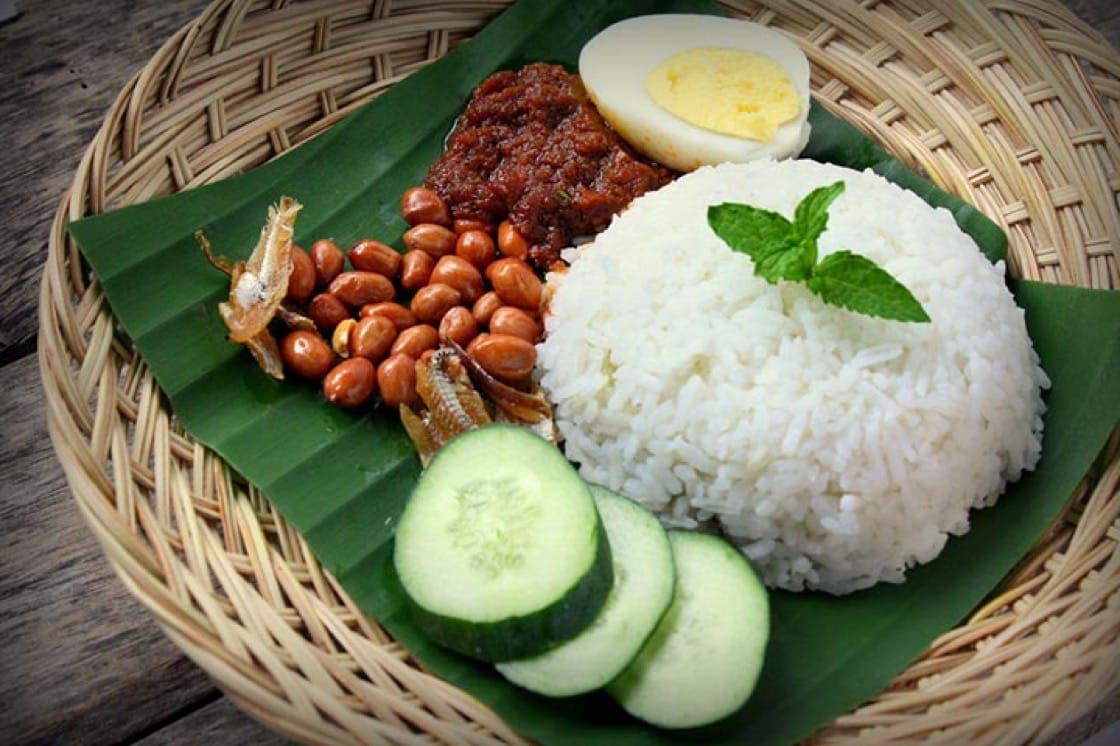

Nasi Lemak: A Fragrant Journey Through Malaysian Cuisine

premiumtix.net – Nasi Lemak, a fragrant rice dish cooked in coconut milk and pandan leaves, stands as a beloved national dish of Malaysia. This iconic culinary creation is a testament to the country’s rich cultural tapestry, blending Malay, Chinese, and Indian influences into a symphony of flavors and textures.   

Aromatic Foundation:

At the heart of Nasi Lemak lies the fragrant rice, cooked in coconut milk and infused with the delicate aroma of pandan leaves. This imparts a subtle sweetness and a captivating fragrance that tantalizes the senses. The rice is typically served alongside a medley of accompaniments, creating a harmonious balance of flavors and textures.   

A Feast for the Senses:

  • Sambal: No Nasi Lemak is complete without sambal, a fiery chili paste that adds a burst of heat and tanginess to the dish. Made with chili peppers, shallots, garlic, and often shrimp paste, sambal is a cornerstone of Malaysian cuisine, providing a kick that awakens the palate.   
  • Fried Chicken: Crispy, succulent fried chicken is a popular accompaniment, offering a satisfying contrast to the fragrant rice. The crispy skin and juicy meat provide a textural and flavor dimension that elevates the dining experience.   
  • Fried Anchovies: Known as “ikan bilis,” these small, crispy fried anchovies add a savory crunch and a unique umami flavor to the dish. They are often sprinkled over the rice or enjoyed as a separate snack.   
  • Peanuts: Roasted peanuts provide a nutty crunch and a touch of sweetness, adding another layer of texture and flavor to the Nasi Lemak. 
  • Cucumber: Sliced cucumbers offer a refreshing and cooling element, balancing the richness of the other components and providing a much-needed respite from the heat.   
  • Hard-boiled Egg: Often included, a hard-boiled egg provides a protein boost and a satisfyingly creamy texture.   

Beyond the Basics:

While the core components remain consistent, Nasi Lemak is a versatile dish that can be adapted to suit individual preferences. Some variations include:   

  • Rendang: A rich and flavorful beef or chicken curry cooked in coconut milk and spices.
  • Sambal Sotong: Stir-fried squid in a spicy sambal sauce.   
  • Telur Dadar: A simple omelet, often folded and cut into strips.
  • Otak-otak: Grilled fish cakes made with ground fish, coconut milk, and spices.   

A Culinary Heritage:

Nasi Lemak is more than just a dish; it is a cultural symbol of Malaysia. It is enjoyed by people from all walks of life, from street vendors and hawkers to fine dining establishments. This ubiquitous dish serves as a point of connection, bringing people together and fostering a sense of shared culinary heritage.   

A Global Phenomenon:

The popularity of Nasi Lemak has extended beyond Malaysian borders. It has gained a devoted following in Singapore, Brunei, and even parts of Indonesia. In recent years, Nasi Lemak has also made its mark on the international culinary scene, captivating food enthusiasts around the world with its unique blend of flavors and aromas.

A Culinary Legacy:

Nasi Lemak stands as a testament to the enduring power of culinary traditions. This fragrant rice dish, with its simple yet satisfying combination of flavors and textures, continues to captivate and delight food lovers across generations. As a symbol of Malaysian culture and a celebration of diverse culinary influences, Nasi Lemak is a culinary legacy that is sure to endure for years to come.

5 Tempat BBQ Terfavorit di Indonesia untuk Pengalaman Makan yang Menggoda

Berikut adalah 5 Tempat BBQ Terfavorit di Indonesia untuk Pengalaman Makan yang Menggoda, yang menawarkan pengalaman slot qris 5000 kuliner BBQ yang tak terlupakan:

  1. Holy Smokes BBQ
    • Lokasi: Jakarta
    • Deskripsi: Holy Smokes BBQ menyajikan BBQ ala Amerika dengan rasa yang otentik. Dikenal dengan daging brisket, pulled pork, dan beef ribs yang dimasak dengan teknik slow-cooked, restoran ini menyajikan hidangan dengan cita rasa smoky yang kaya dan tekstur daging yang empuk. Suasana yang cozy dan pilihan saus BBQ yang menggugah selera menjadikannya tempat favorit bagi pecinta BBQ.
  2. T.G.I. Friday’s
    • Lokasi: Jakarta, Surabaya, Bali
    • Deskripsi: T.G.I. Friday’s adalah restoran internasional yang sangat populer dengan berbagai pilihan BBQ. Ribs, BBQ chicken, dan burger adalah menu favorit yang sering dipesan pengunjung. Restoran ini menawarkan pengalaman makan dengan suasana santai, cocok untuk berkumpul dengan keluarga atau teman. Rasa BBQ-nya yang kaya dan nikmat menjadikan T.G.I. Friday’s tempat yang wajib dikunjungi.
  3. The Smoke House BBQ
    • Lokasi: Bandung
    • Deskripsi: The Smoke House BBQ di Bandung menyajikan BBQ dengan berbagai pilihan daging panggang yang dimasak menggunakan teknik slow-cooked. Ribs, brisket, dan chicken wings menjadi favorit di sini. Suasana restoran yang nyaman dengan interior yang rustic menambah kenyamanan saat menikmati daging panggang yang lezat dan juicy.
  4. Korean BBQ & Grill
    • Lokasi: Jakarta, Bali, Surabaya
    • Deskripsi: Bagi penggemar BBQ Korea, Korean BBQ & Grill adalah pilihan yang tepat. Di sini, Anda dapat memanggang daging premium seperti pork belly, beef bulgogi, dan chicken yang dihidangkan bersama dengan banchan (side dishes) khas Korea. Pengalaman makan yang interaktif dan menyenangkan ini cocok untuk berkumpul bersama teman atau keluarga.
  5. Bubur Ayam & BBQ 88
    • Lokasi: Jakarta
    • Deskripsi: Bubur Ayam & BBQ 88 menawarkan perpaduan unik antara masakan Indonesia dan BBQ. Restoran ini menyajikan daging panggang seperti chicken wings dan spare ribs yang bisa dinikmati bersama bubur ayam. Kombinasi rasa BBQ yang lezat dengan citarasa lokal menjadikan tempat ini sangat digemari oleh banyak pengunjung.

Kelima restoran ini tidak hanya menyajikan BBQ yang lezat, tetapi juga memberikan pengalaman makan yang menggoda selera. Dengan berbagai konsep dan cita rasa yang berbeda, Anda dapat memilih tempat BBQ favorit sesuai dengan selera dan menikmati hidangan daging panggang yang menggugah selera di Indonesia!

Jareesh: A Hearty Bowl of History – A Grain of History

premiumtix.net – Jareesh, a dish steeped in history and tradition, is a beloved staple in Saudi Arabian and Middle Eastern cuisine. This comforting and nourishing meal, made from crushed wheat, meat, and aromatic spices, has been enjoyed for centuries. Its simple yet satisfying flavors have captivated palates across generations.   

A Grain of History

The origins of Jareesh can be traced back to ancient times. Crushed wheat, the primary ingredient, has been a dietary staple in the region for millennia. It is believed that the dish evolved from nomadic Bedouin traditions, where it served as a hearty and portable meal. Over time, Jareesh has adapted to regional preferences, resulting in variations in ingredients and preparation methods.   

A Symphony of Flavors

The key to a truly exceptional Jareesh lies in the careful selection and preparation of its ingredients. The crushed wheat, often referred to as “jareesh” itself, is typically cooked in a flavorful broth, along with tender pieces of meat, such as lamb or chicken. The broth is infused with a medley of aromatic spices, including cardamom, cinnamon, cloves, and black pepper, which impart a warm and inviting fragrance to the dish.   

As the Jareesh simmers, the flavors meld together, creating a harmonious blend of savory and spicy notes. The result is a thick, creamy porridge that is both comforting and satisfying. The dish is often garnished with toasted nuts, dried fruits, or fresh herbs, adding a delightful textural contrast and a burst of flavor.   

A Cultural Treasure

Jareesh is more than just a meal; it is a cultural treasure that reflects the rich heritage of the Middle East. It is often served on special occasions, such as weddings, festivals, and religious holidays. Sharing a bowl of Jareesh with family and friends is a cherished tradition that fosters a sense of community and belonging.   

In recent years, Jareesh has gained popularity beyond its traditional borders. Its versatility and adaptability have made it a favorite among food enthusiasts worldwide. Whether enjoyed as a comforting winter meal or a light summer supper, Jareesh continues to captivate palates and nourish souls.

A Recipe for the Soul

If you’re eager to experience the magic of Jareesh, here’s a simple recipe to get you started:

Ingredients:

  • 1 cup crushed wheat   
  • 1 pound lamb or chicken, cut into cubes
  • 1 onion, chopped   
  • 4 cloves garlic, minced
  • 1 teaspoon ground cinnamon
  • 1/2 teaspoon ground cardamom
  • 1/4 teaspoon ground cloves
  • 1/4 teaspoon black pepper
  • 1 teaspoon salt
  • 6 cups water or broth
  • 1/4 cup olive oil
  • Chopped parsley, for garnish

Instructions:

  1. Sauté the meat: Heat olive oil in a large pot over medium heat. Add the lamb or chicken and brown on all sides.
  2. Add aromatics: Add the onion and garlic to the pot and sauté until softened.
  3. Season the meat: Stir in the cinnamon, cardamom, cloves, black pepper, and salt.
  4. Add the crushed wheat: Pour the water or broth into the pot, bring to a boil, then reduce heat to low. Add the crushed wheat and stir to combine.
  5. Simmer: Cover the pot and simmer for 45-60 minutes, or until the wheat is tender and the liquid has been absorbed.
  6. Serve: Garnish with chopped parsley and serve hot.

A Culinary Journey Awaits

Whether you’re a seasoned home cook or a culinary novice, Jareesh offers a delightful opportunity to explore the flavors and traditions of the Middle East. So, gather your ingredients, roll up your sleeves, and embark on a culinary journey that will nourish your body and soul.

Butter Chicken: A Creamy, Tomato-Based Delight

premiumtix.net – Butter Chicken, also known as Murgh Makhani, is a beloved Indian dish that features tender chicken cooked in a rich, creamy, and slightly spicy tomato-based sauce. This iconic dish has captured the hearts of food lovers around the globe, and for good reason. Its perfect balance of flavors, textures, and aromas makes it a truly unforgettable culinary experience.   

The Origins of Butter Chicken

While the exact origins of Butter Chicken are debated, it is believed to have originated in the 1950s in Delhi, India. One popular story credits the dish to a chef at Moti Mahal, a renowned restaurant in the city. The chef, inspired by the popularity of tandoori chicken, sought to create a dish that would be more accessible to a wider audience. He developed Butter Chicken by marinating chicken in yogurt and spices, grilling it in a tandoor oven, and then simmering it in a creamy tomato-based sauce.  

The Key Ingredients and Flavors

The key to a great Butter Chicken lies in the quality of its ingredients and the careful balance of flavors. The chicken is typically marinated in a mixture of yogurt, spices like garam masala, cumin, and coriander, and sometimes even a touch of red chili powder for a hint of heat. This marinade tenderizes the meat and infuses it with flavor.   

The sauce is the heart of the dish. It’s a blend of tomatoes, cream, butter, and a variety of spices, including garam masala, cumin, coriander, and turmeric. The combination of these ingredients creates a rich, creamy sauce with a complex flavor profile that is both comforting and indulgent.   

How to Make Butter Chicken at Home

While Butter Chicken may seem intimidating to make at home, it’s actually quite simple. Here’s a basic recipe to get you started:

Ingredients:

  • 1 pound boneless, skinless chicken breasts or thighs, cut into bite-sized pieces
  • 1 cup plain yogurt
  • 1 teaspoon garam masala   
  • 1/2 teaspoon cumin powder
  • 1/4 teaspoon coriander powder
  • 1/4 teaspoon red chili powder
  • 1 teaspoon ginger paste
  • 1 teaspoon garlic paste
  • 1 tablespoon lemon juice   
  • 1 tablespoon butter
  • 1 onion, finely chopped   
  • 2 cloves garlic, minced
  • 1 inch piece of ginger, grated
  • 1 can (28 ounces) crushed tomatoes
  • 1 cup heavy cream
  • Salt and pepper to taste
  • Fresh cilantro, for garnish

Instructions:

  1. Marinate the Chicken: In a bowl, combine the yogurt, garam masala, cumin powder, coriander powder, red chili powder, ginger paste, garlic paste, and lemon juice. Add the chicken pieces and marinate for at least 30 minutes, or preferably overnight.   
  2. Cook the Chicken: Heat the butter in a large skillet over medium-high heat. Add the marinated chicken pieces and cook until browned on all sides.
  3. Make the Sauce: In the same skillet, add the onion, garlic, and ginger. Cook until softened and fragrant. Add the crushed tomatoes, heavy cream, salt, and pepper. Bring to a boil, then reduce heat and simmer for 10-15 minutes, or until the sauce thickens.   
  4. Combine and Serve: Add the cooked chicken to the sauce and simmer for a few more minutes, until the chicken is cooked through and the flavors are well combined. Garnish with fresh cilantro and serve hot with naan or rice.   

Tips for the Perfect Butter Chicken:

  • Use high-quality ingredients: The quality of your ingredients will directly impact the taste of your dish.
  • Don’t overcook the chicken: Overcooking the chicken can make it dry and tough.   
  • Adjust the spice level to your liking: If you prefer a milder dish, reduce the amount of red chili powder.
  • Serve immediately: Butter Chicken is best enjoyed fresh.
  • Experiment with different variations: Try adding different spices, such as cardamom or cloves, or using a different type of protein, such as lamb or shrimp.

Soupe à l’Oignon: A Classic French Comfort Food

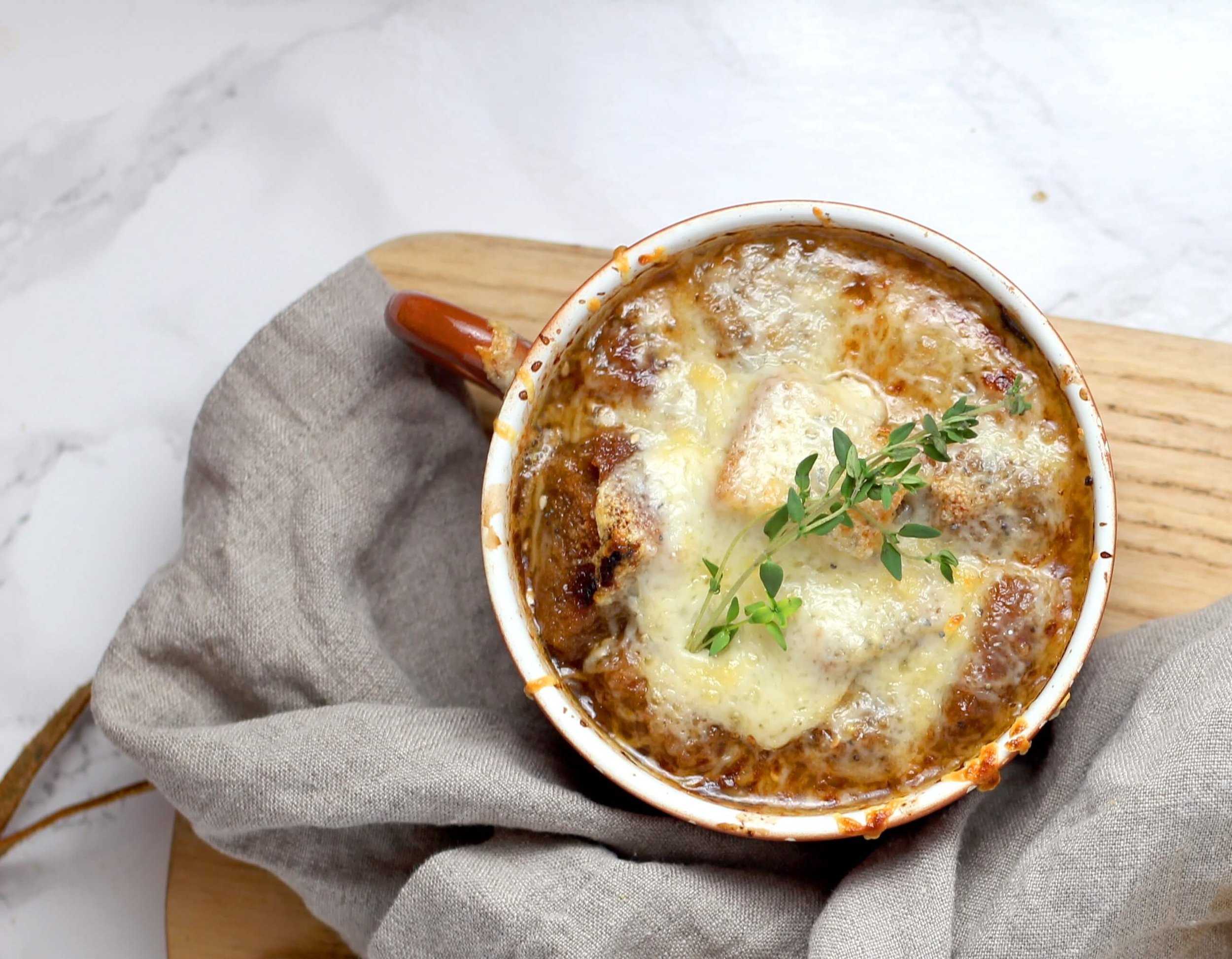
premiumtix.net – Soupe à l’Oignon, or French onion soup, is a beloved French dish that has been comforting diners for centuries. This hearty and flavorful soup is a quintessential French comfort food, perfect for a chilly winter evening.

A Rich History

The origins of onion soup can be traced back to ancient Roman times. However, it was during the 18th century in France that the dish gained popularity. The addition of cheese, typically Gruyère or Emmental, to the top of the soup is believed to have originated in the 19th century.

Key Ingredients and Preparation

The key to a delicious onion soup lies in the careful caramelization of the onions. This process involves slowly cooking the onions over low heat until they become soft, sweet, and golden brown. The caramelized onions are then simmered in a rich beef broth, often fortified with red wine, to create a flavorful base.

The soup is traditionally served in individual bowls, topped with a generous amount of grated cheese. The bowls are then placed under a broiler or a kitchen torch to melt the cheese, creating a golden, bubbly crust.

A Versatile Dish

While the classic French onion soup recipe is beloved by many, there are many variations and modern twists on this timeless dish. Some chefs experiment with different types of cheese, such as fontina or gruyère, while others add a touch of cream or truffle oil to elevate the flavor.

Crni Rižot: The Enigmatic Black Risotto of the Adriatic

premiumtix.net – Along the sun-kissed shores of the Adriatic Sea, a culinary marvel awaits: Crni Rižot, or Black Risotto. This enigmatic dish, a staple of Croatian cuisine, captivates both the eye and the palate with its striking ebony hue and rich, savory flavors.

The Intriguing Ingredient: Squid Ink

The secret behind Crni Rižot’s distinctive color lies in a unique ingredient: squid ink. This inky substance, produced by the cephalopod to deter predators, adds a mysterious depth to the dish. While it may seem unconventional, squid ink imparts a subtle brininess and a touch of umami to the risotto, elevating it to a culinary masterpiece.   

The Art of Preparing Crni Rižot

Crafting Crni Rižot is a labor of love, requiring careful attention to detail. The process begins with sautéing onions and garlic in olive oil until softened. Arborio rice, the star of the show, is then added and toasted until translucent. A splash of white wine is poured over the rice, allowing the alcohol to evaporate.   

Next comes the squid ink, which is mixed with a small amount of warm water to create a smooth, inky liquid. This mixture is gradually incorporated into the risotto, transforming its color from a creamy white to a deep, alluring black.   

As the risotto simmers, it is slowly infused with a flavorful seafood broth, typically made from fish bones, vegetables, and herbs. This infusion imparts a rich, marine essence to the dish. The final touch is the addition of tender chunks of seafood, such as squid, octopus, or shrimp, which add a delightful contrast in texture and flavor.   

A Symphony of Flavors

Crni Rižot is a symphony of flavors and textures. The creamy risotto, infused with the briny notes of squid ink, is complemented by the tender seafood and the aromatic herbs. The dish is often finished with a drizzle of extra virgin olive oil and a sprinkling of freshly grated Parmesan cheese, adding a touch of richness and elegance.   

A Culinary Experience Not to Be Missed

If you find yourself exploring the stunning Croatian coast, be sure to indulge in the culinary delight that is Crni Rižot. This unique and unforgettable dish is a testament to the creativity and passion of Croatian cuisine.

The Golden Grain: A Comprehensive Look at Corn

premiumtix.net – Corn, also known as maize, is one of the most widely cultivated crops globally. Its versatility and nutritional value have made it a staple food for countless cultures throughout history. From its humble origins in the Americas to its modern-day ubiquity, corn has played a pivotal role in shaping human civilization.   

A Brief History

The domestication of corn can be traced back to ancient Mesoamerica, where indigenous peoples began cultivating wild teosinte around 9,000 years ago. Over millennia, through careful selection and breeding, they transformed this wild grass into the productive crop we recognize today. The spread of corn cultivation across the Americas and eventually to Europe, Africa, and Asia marked a significant turning point in agricultural history.   

Cultivation and Varieties

Corn is a warm-season annual grass that thrives in well-drained, fertile soils. It is typically grown in temperate and tropical regions worldwide. The plant produces long, slender stalks topped with tassels and ears of kernels.   

There are numerous varieties of corn, each with distinct characteristics. Some of the most common types include:   

  • Field Corn: The most widely grown variety, used primarily for animal feed, ethanol production, and industrial purposes. 
  • Sweet Corn: Cultivated for its tender, sweet kernels, it is a popular vegetable enjoyed fresh, frozen, or canned.
  • Popcorn: A variety with hard, starchy kernels that expand when heated, creating a light, airy snack. 
  • Dent Corn: A versatile type used for both human consumption and animal feed.

Nutritional Value

Corn is a good source of carbohydrates, providing energy for the body. It also contains essential vitamins and minerals, including:   

  • Vitamin B: Important for metabolism and nerve function.
  • Vitamin E: An antioxidant that protects cells from damage. 
  • Magnesium: Essential for bone health and muscle function.  
  • Phosphorus: Crucial for strong bones and teeth.  

While corn is a valuable food source, it is important to consume it in moderation as part of a balanced diet. Overreliance on corn can lead to nutritional deficiencies, particularly in niacin and protein.   

Corn in the Modern World

Corn plays a significant role in the global food system. It is used to produce a wide range of products, including:   

  • Food: Cornmeal, corn flour, corn syrup, and cornstarch are common ingredients in processed foods.  
  • Animal Feed: Corn is a primary ingredient in livestock feed, contributing to meat, poultry, and dairy production. 
  • Biofuels: Ethanol, a biofuel derived from corn, is used to power vehicles and reduce greenhouse gas emissions. 
  • Industrial Products: Cornstarch is used in various industrial applications, such as papermaking, textiles, and adhesives. 

Challenges and Sustainability

Despite its many benefits, corn cultivation faces several challenges, including:

  • Pests and Diseases: Corn is susceptible to various pests and diseases that can damage crops and reduce yields.  
  • Climate Change: Changing weather patterns and extreme weather events can impact corn production. 
  • Environmental Impact: Intensive corn cultivation can contribute to soil erosion, water pollution, and greenhouse gas emissions.  

To address these challenges, sustainable farming practices are increasingly important. These practices aim to minimize environmental impact while maximizing crop yields. By adopting sustainable methods such as crop rotation, cover cropping, and reduced tillage, farmers can help ensure the long-term viability of corn production.

Conclusion

From its ancient origins to its modern-day significance, corn has been a cornerstone of human civilization. Its versatility, nutritional value, and economic importance make it a vital crop for the world. By understanding the challenges and opportunities associated with corn production, we can work towards a more sustainable and equitable future for this golden grain.

Korean Fried Chicken: A Crispy Delight with Flavorful Sauces

premiumtix.net – Korean fried chicken, known for its crispy texture and flavorful sauces, has become a global culinary sensation. This dish, often referred to as “the other KFC,” offers a unique twist on the classic fried chicken, combining traditional frying techniques with a variety of mouthwatering sauces that cater to diverse taste preferences. Whether you’re a fan of spicy, sweet, or tangy flavors, Korean fried chicken has something to offer for everyone.

The Art of Crispy Perfection

The hallmark of Korean fried chicken is its exceptionally crispy skin, achieved through a meticulous double-frying process. This method involves frying the chicken twice, which not only ensures a crunchy exterior but also keeps the meat juicy and tender inside. The first frying session cooks the chicken thoroughly, while the second quick fry enhances the crispiness, creating a delightful texture that sets it apart from other fried chicken styles.

A Symphony of Sauces

What truly distinguishes Korean fried chicken is the variety of sauces that accompany it. These sauces range from mild to fiery, offering a flavor for every palate. Some of the most popular sauces include:

  • Yangnyeom (Sweet and Spicy): A perfect balance of sweetness and heat, this sauce is made with ingredients like gochujang (Korean chili paste), garlic, sugar, and soy sauce. It coats the chicken in a sticky, flavorful glaze that is both satisfying and addictive.
  • Soy Garlic: For those who prefer a milder taste, soy garlic sauce offers a savory blend of soy sauce, garlic, and a hint of sweetness. This sauce enhances the natural flavors of the chicken without overpowering it.
  • Honey Butter: A sweeter option, honey butter sauce combines the richness of butter with the sweetness of honey, creating a delightful contrast to the savory chicken. It’s a perfect choice for those with a sweet tooth.
  • Spicy Gochujang: For adventurous eaters, spicy gochujang sauce brings an intense heat that will satisfy spice lovers. The fermented chili paste adds depth and complexity to the flavor profile.

A Cultural Phenomenon

Korean fried chicken is more than just a dish; it’s a cultural experience. In Korea, fried chicken is often enjoyed alongside beer, a combination known as “chimaek” (a portmanteau of “chicken” and “maekju,” the Korean word for beer). This pairing is a popular choice for gatherings, late-night snacks, and social events, reflecting the communal nature of Korean dining.

Conclusion

Whether you’re trying Korean fried chicken for the first time or you’re a seasoned fan, its crispy texture and diverse sauces offer an unforgettable culinary experience. Each bite delivers a satisfying crunch, followed by a burst of flavor that will leave you craving more. As Korean fried chicken continues to gain popularity worldwide, its unique fusion of traditional cooking techniques and modern flavors makes it a must-try dish for food enthusiasts everywhere.

Delights of Bakso: Indonesia’s Beloved Meatball Soup

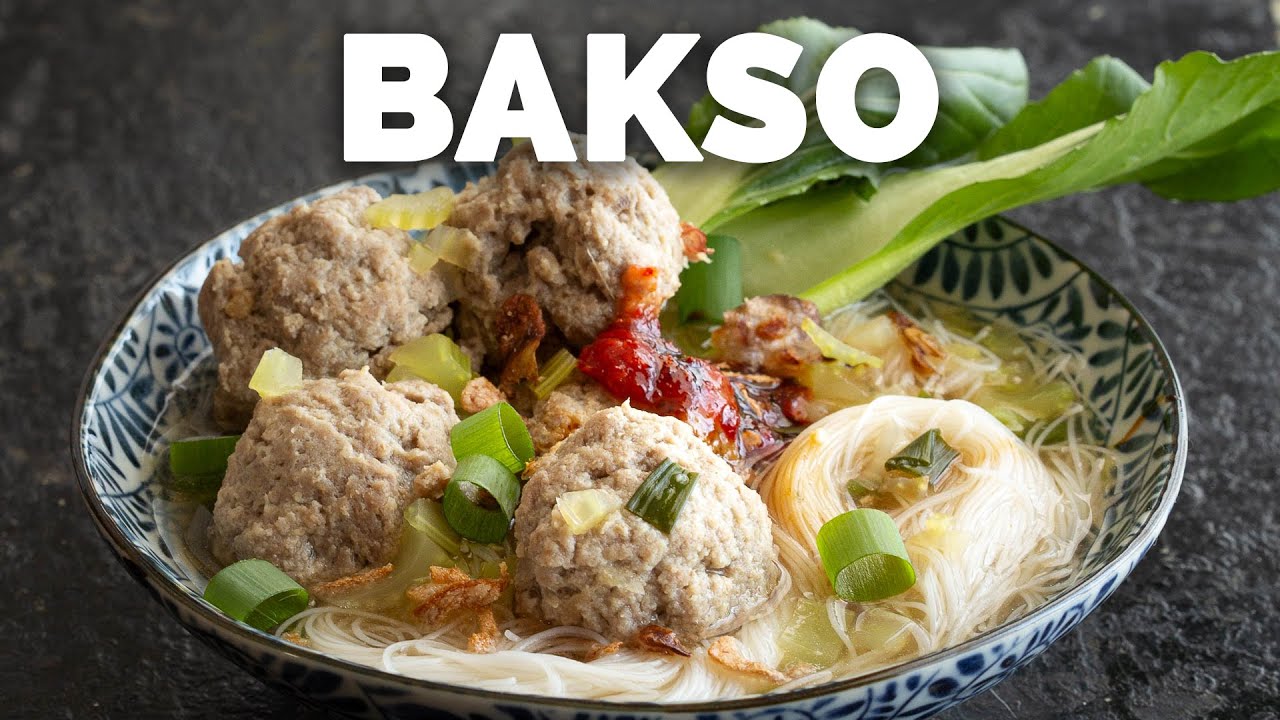
premiumtix.net – Bakso, a savory meatball soup, is a quintessential dish in Indonesian cuisine that has captured the hearts and taste buds of people across the archipelago and beyond. Known for its rich flavors and comforting warmth, bakso is a versatile dish that can be enjoyed as a quick snack or a fulfilling meal. This article delves into the origins, ingredients, preparation, and cultural significance of this beloved Indonesian delicacy.

The Origins of Bakso

The origins of bakso can be traced back to Chinese immigrants who settled in Indonesia, bringing with them their culinary traditions. Over time, bakso evolved, incorporating local flavors and ingredients to become a staple in Indonesian street food culture. Today, it is found in various forms across Indonesia, each with its unique regional twist.

Ingredients and Variations

At its core, bakso consists of meatballs made primarily from beef, though variations using chicken, fish, or even tofu are also popular. The meatballs are typically mixed with tapioca flour, giving them a distinctive chewy texture. The soup itself is a flavorful broth, often prepared using beef bones, garlic, shallots, and various spices that contribute to its rich taste.

Popular Variations

  1. Bakso Kuah: The classic version, served with a clear broth and often accompanied by noodles, fried tofu, fried shallots, and a sprinkle of green onions.
  2. Bakso Bakar: A grilled version where the meatballs are skewered and grilled, offering a smoky flavor.
  3. Bakso Malang: Originating from Malang, this version includes fried wontons, siomay (steamed dumplings), and crispy crackers.
  4. Bakso Tahu: Incorporating tofu, this variant combines the best of both worlds, with the meatballs stuffed inside pieces of tofu.

Preparing Bakso at Home

Creating bakso at home is a rewarding culinary adventure. Here’s a simple outline of the preparation process:

  1. Meatball Preparation: Combine ground beef or chicken with tapioca flour, garlic, salt, pepper, and a bit of iced water to create a smooth mixture. Form the mixture into small balls.
  2. Broth Creation: Simmer beef bones with garlic, shallots, and spices to create a rich and aromatic broth. Season to taste.
  3. Cooking the Meatballs: Gently drop the meatballs into the simmering broth. Once they float to the surface, they are cooked through.
  4. Serving: Serve the meatballs in a bowl of hot broth, adding noodles, vegetables, and your choice of condiments like sambal (chili sauce) or soy sauce.

Cultural Significance

Bakso holds a special place in Indonesian culture, often seen as a comfort food that brings people together. It is commonly enjoyed during gatherings, family meals, and special occasions. Street vendors selling bakso can be found in bustling markets and city streets, offering a quick and satisfying meal for passersby.

Conclusion

Bakso is more than just a soup; it is a reflection of Indonesia’s rich culinary heritage and its ability to adapt and innovate. Whether enjoyed in a small roadside stall or a high-end restaurant, bakso continues to be a beloved dish that represents the warmth and hospitality of Indonesian culture. As you savor each bite, you’re not only tasting a delicious meal but also experiencing a piece of Indonesia’s vibrant history and tradition.

Cookie Dough: A Sweet Treat with a Versatile Appeal

premiumtix.net – Cookie dough, the raw mixture that transforms into delicious cookies in the oven, has become a beloved treat in its own right. Known for its creamy texture and sweet flavor, cookie dough has transcended its role as a mere precursor to baked goods and has emerged as a versatile ingredient and snack. This article explores the history, types, and various uses of cookie dough, highlighting its enduring popularity and adaptability.

The History of Cookie Dough

The concept of cookie dough as a standalone treat is relatively modern, but its origins can be traced back to the invention of cookies themselves. Cookies, in various forms, have been enjoyed for centuries, with recipes evolving over time. The idea of savoring the dough before baking became popular in the late 20th century, leading to the creation of edible cookie dough products.

Types of Cookie Dough

Cookie dough comes in a variety of flavors and styles, catering to different tastes and preferences:

  1. Classic Chocolate Chip: The most popular type, featuring chunks of chocolate in a vanilla dough.
  2. Peanut Butter: Rich and creamy, with the distinctive flavor of peanut butter.
  3. Sugar Cookie Dough: Simple and sweet, with a hint of vanilla.
  4. Double Chocolate: For chocolate lovers, with both cocoa powder and chocolate chips.
  5. Snickerdoodle: Cinnamon-infused dough, offering a warm, spicy flavor.
  6. Edible Cookie Dough: Specifically formulated to be safe to eat raw, without the risks associated with raw eggs and flour.

Uses of Cookie Dough

Cookie dough’s versatility extends beyond its traditional role in baking. Here are some creative ways it is used:

As a Snack

Edible cookie dough is sold in tubs and can be enjoyed straight from the container as a sweet, satisfying snack.

In Baking

Beyond cookies, dough can be used in a variety of baked goods:

  • Cookie Dough Bars: Pressed into a pan and baked into a bar form.
  • Ice Cream: Chunks of cookie dough are a popular mix-in for ice cream.
  • Cakes and Cupcakes: Cookie dough can be incorporated into cake batter or used as a topping.

As a Filling or Topping

  • Milkshakes and Smoothies: A scoop of cookie dough adds a rich, sweet element.
  • Yogurt and Oatmeal: For a decadent breakfast or snack, cookie dough can be mixed in.

The Appeal of Cookie Dough

The appeal of cookie dough lies in its comforting flavor and texture. It offers a nostalgic taste that reminds many of home baking, while also providing a convenient and enjoyable snack. The rise of edible cookie dough products has made it easier than ever to indulge in this treat without the need for baking.

Safety Considerations

Traditional cookie dough contains raw eggs and flour, which can pose health risks if consumed raw. To address this, edible cookie dough products are made with heat-treated flour and do not contain eggs, making them safe to eat straight from the container.

Conclusion

Cookie dough has come a long way from its humble beginnings as a step in the baking process. Its evolution into a versatile treat and ingredient reflects the creativity and innovation in the culinary world. Whether enjoyed on its own or as part of a recipe, cookie dough’s sweet, comforting flavor continues to captivate and delight. As new flavors and uses emerge, it’s clear that cookie dough will remain a favorite for years to come.

The Most Unique Street Foods from Around the Globe

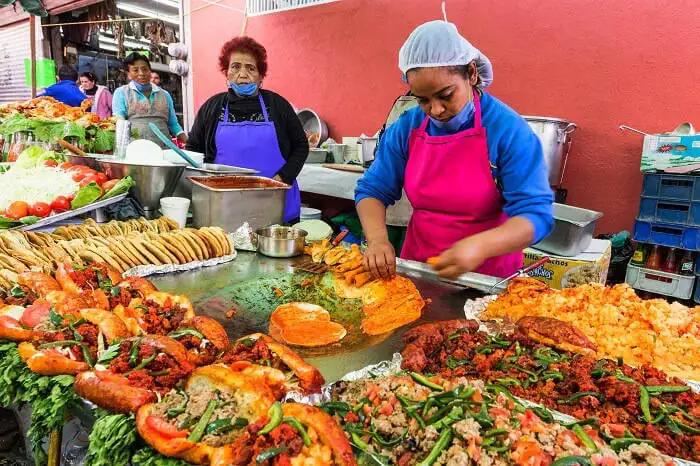
premiumtix.net – Street food is more than just a quick snack; it’s a window into the soul of a culture. Each country has its own unique street food offerings that reflect its history, traditions, and culinary creativity. From the bustling streets of Asia to the vibrant markets of Africa, and from the sidewalk vendors of South America to the food trucks of North America, the world’s street food scene is a treasure trove of flavors waiting to be explored.

Asia – A Mosaic of Flavors

Asia is a continent where street food is not just a way of life but an art form. In Japan, one can find Takoyaki, delectable balls of batter filled with octopus and topped with a savory sauce. Thailand offers the spicy and tangy Som Tam, a green papaya salad that packs a punch. India’s Chaat is a chaotic yet delicious mix of crispy fried dough, chickpeas, chutneys, and yogurt. And in Vietnam, Banh Mi sandwiches, with their French-inspired baguettes filled with Vietnamese ingredients, are a testament to the country’s colonial past.

Africa – A Fusion of Tastes

The African continent boasts a variety of street foods that reflect its diverse cultures. In Morocco, the spicy and savory Tagine is often found on the streets, served in small portions. Nigeria’s Suya is a flavorful skewered meat that’s marinated in peanut sauce and spices. South Africa’s Bunny Chow is a curry served in a hollowed-out loaf of white bread, a unique twist on traditional Indian cuisine.

South America – Vibrant and Varied

South America’s street food scene is as vibrant as its culture. In Brazil, the Açaí bowl has become a global sensation, made from the Açaí berry and blended with fruits and granola. Argentina’s Choripán is a simple yet satisfying sandwich of chorizo sausage in a crusty bread roll. And in Peru, the Anticuchos, skewered and grilled hearts of cattle, are a beloved street food, often served with a side of corn.

North America – Innovative and Eclectic

North America’s street food scene is a melting pot of global influences with a focus on innovation. The United States is home to gourmet food trucks serving everything from Korean tacos to lobster rolls. Canada’s Poutine, a dish of fries smothered in cheese curds and gravy, is a hearty street food staple. And Mexico’s Tacos al Pastor, with their marinated pork and pineapple, are a must-try for any street food enthusiast.

Europe – Tradition Meets Modernity

Europe’s street food scene is a blend of tradition and modernity. In Italy, the classic Pizza al Taglio, or pizza by the slice, is a quick and delicious snack. Spain’s Churros con Chocolate, fried dough pastries served with a thick hot chocolate, are a sweet treat found on many streets. And in the UK, the classic Fish and Chips, wrapped in newspaper, is a nostalgic favorite.

Oceania – Fresh and Exotic

Oceania offers street foods that are as fresh as they are exotic. In Australia, the Pie Floater, a meat pie served in a pea soup with tomato sauce, is a unique take on comfort food. New Zealand’s Hangī, a traditional Māori dish cooked underground with hot stones, offers a taste of indigenous cuisine.

Conclusion – A World of Flavors at Your Feet

The world’s street food scene is a testament to human ingenuity and the universal love of food. Each unique street food offering tells a story of its people, their history, and their traditions. Whether you’re a seasoned traveler or a curious foodie, the global street food scene invites you to take a bite out of the world’s rich cultural tapestry.

Discovering the Culinary Delights of Tropical Haven Supper

premiumtix.net – Nestled in the heart of a bustling city, Tropical Haven Supper is a culinary gem that promises to transport you to a world of exotic flavors and tropical bliss. This unique dining experience is not just about food; it’s about creating an ambiance that allows you to escape the hustle and bustle of daily life and immerse yourself in the vibrant cultures of the tropics.

A Journey Through Flavors

The menu at Tropical Haven Supper is a testament to the diverse culinary traditions of the tropical regions. Each dish is meticulously crafted to showcase the rich tapestry of spices, herbs, and ingredients that define tropical cuisine. From the zesty tang of a Caribbean jerk chicken to the aromatic complexity of an Indonesian rendang, every bite tells a story of the land from which it originates.

The Art of Presentation

At Tropical Haven Supper, the presentation of the food is just as important as the taste. The chefs take great pride in creating dishes that are not only delicious but also visually stunning. The vibrant colors and artistic plating of each dish are a feast for the eyes, making the dining experience all the more memorable.

A Unique Dining Experience

What sets Tropical Haven Supper apart is not just the food, but the entire dining experience. The restaurant’s interior is designed to evoke the feeling of being in a tropical paradise. Lush greenery, soft lighting, and the sound of flowing water create a serene atmosphere that invites you to relax and savor the moment.

The Perfect Blend of Tradition and Innovation

While the restaurant pays homage to traditional tropical recipes, it also embraces innovation. The chefs are constantly experimenting with new techniques and ingredients to create modern interpretations of classic dishes. This blend of tradition and innovation ensures that the menu is always fresh and exciting.

A Commitment to Sustainability

Tropical Haven Supper is also committed to sustainability. The restaurant sources its ingredients from local farmers and suppliers who practice sustainable farming methods. This not only supports the local community but also ensures that the food served is of the highest quality.

Conclusion

Tropical Haven Supper is more than just a restaurant; it’s a journey to the heart of tropical cuisine. With its commitment to flavor, presentation, and sustainability, it offers a dining experience that is both unique and unforgettable. Whether you’re a food enthusiast or simply looking for a place to unwind, Tropical Haven Supper is the perfect destination to indulge in the culinary delights of the tropics.

The Ultimate Guide to Chip Snacks: Crunch Time

premiumtix.net – Chips, those thin, crispy slices of heaven, have become a staple in the snacking world. Whether you’re a fan of the classic potato chip, a devotee of the tortilla chip, or an adventurer in the realm of vegetable chips, there’s no denying the allure of a good crunch. In this ultimate guide to chip snacks, we’ll dive into the history, varieties, and some tips for enjoying these crunchy delights responsibly.

The History of Chips

The story of chips begins in the late 19th century in Saratoga Springs, New York. Legend has it that a customer at Moon’s Lake House complained that his fried potatoes were too thick. Chef George Crum, in a moment of inspired irritation, sliced the potatoes paper-thin, fried them to a crisp, and seasoned them with salt. The result was an instant hit, and the Saratoga Chip was born.

From this humble beginning, the chip industry has grown into a multi-billion-dollar global market. Today, chips are not just a snack; they’re a cultural phenomenon, with new flavors and varieties constantly emerging.

Varieties of Chips

Potato Chips

The original and still the most popular, potato chips come in a dizzying array of flavors. From the classic salted to the adventurous (think truffle parmesan or wasabi ginger), there’s a potato chip flavor for every palate.

Tortilla Chips

Made from corn or flour, tortilla chips are the perfect vehicle for dips like salsa, guacamole, and queso. They also come in various flavors, from lime to chili pepper, for those who like a bit of a kick.

Vegetable Chips

For those looking for a healthier option, vegetable chips offer the same crunch but with a wider range of nutrients. Beet, kale, sweet potato, and carrot chips are just a few examples of this trendy snack.

Pita Chips

Pita chips, made from baked pita bread, are a Middle Eastern-inspired snack that pairs well with hummus, tzatziki, and other Mediterranean dips.

Popcorn Chips

A newer entry into the chip market, popcorn chips offer the crunch of a chip with the lightness of popcorn. They’re often marketed as a lower-calorie alternative to traditional chips.

How to Enjoy Chips Responsibly

While chips are delicious, they’re often high in calories, fat, and sodium. Here are some tips for enjoying your favorite chip snacks without overindulging:

  1. Portion Control: Measure out a serving size instead of eating straight from the bag. This can help prevent overeating.
  2. Pair with Healthy Dips: Vegetable chips and pita chips can be paired with healthy dips like guacamole, hummus, or Greek yogurt-based dips to add nutrition and flavor.
  3. Choose Wisely: Look for chips made with healthier oils (like olive oil) and lower sodium options. Some brands offer baked or kettle-cooked chips as a healthier alternative.
  4. Mindful Eating: Pay attention to what you’re eating. Savor each chip instead of mindlessly munching. This can help you enjoy your snack more and recognize when you’re full.
  5. Balance Your Diet: Remember that chips should be an occasional treat, not a dietary staple. Balance your snacking with plenty of fruits, vegetables, and whole grains.

Conclusion

Chips are more than just a snack; they’re a beloved part of snacking culture. Whether you’re hosting a party, watching a movie, or just need a quick pick-me-up, there’s a chip out there for you. With so many varieties and flavors to choose from, the world of chips is a delicious adventure waiting to happen. Just remember to enjoy them in moderation and balance them with a healthy diet. Happy snacking!