Rabbit Food: A Complete Guide to Feeding Your Pet Rabbit

premiumtix.net – Rabbits are delightful, herbivorous pets that require a well-balanced diet to stay healthy and active. Their digestive system is sensitive, and the right diet helps keep their teeth in good shape, maintains healthy digestion, and ensures they live a long and happy life. In this article, we’ll cover everything you need to know about feeding your pet rabbit, from hay to fresh vegetables and safe treats.

1. The Basics of Rabbit Nutrition

Rabbits are herbivores, and their diet should consist mainly of high-fiber plant material. The key components of a healthy rabbit diet include:

  • Fiber: Essential for healthy digestion and maintaining a balanced gut flora
  • Low sugars and fats: Rabbits do not tolerate high-fat or high-sugar foods well
  • Hydration: Constant access to fresh water is essential

A rabbit’s diet should consist mainly of hay, fresh vegetables, and a limited amount of pellets. Treats should be offered in moderation.

2. Hay: The Most Important Part of a Rabbit’s Diet

Hay is the cornerstone of a rabbit’s diet. It provides the high fiber content needed to maintain healthy digestion and helps wear down their ever-growing teeth. Timothy hay is the best option for adult rabbits, but other types of hay such as meadow hay or orchard grass are also good alternatives.

Rabbits should have unlimited access to fresh hay at all times. Make sure the hay is clean, dry, and free from mold or dust. Replace it daily to ensure your rabbit is always consuming high-quality hay.

3. Pellets: Nutrient-Rich Supplement

Pellets are formulated to provide essential vitamins and minerals, but they should make up a small portion of your rabbit’s diet. Choose high-fiber pellets specifically designed for rabbits and avoid those with added seeds, dried fruits, or colored bits, as these can be high in sugar and fat.

  • Pellet portion: Offer 1/8 to 1/4 cup of pellets per day for an average-sized adult rabbit. Baby rabbits and pregnant or nursing rabbits may require more.
  • Pellet composition: Look for pellets with at least 18% fiber and low fat content.

Avoid overfeeding pellets, as they can lead to obesity and other health problems.

4. Fresh Vegetables: A Key to a Balanced Diet

Fresh vegetables are an essential part of a rabbit’s daily diet and provide important nutrients, including vitamins and minerals. Introduce vegetables slowly to avoid digestive upset, and offer a variety of options. Some of the best vegetables for rabbits include:

  • Leafy greens: Romaine lettuce, cilantro, parsley, spinach (in moderation), kale (in moderation)
  • Non-leafy vegetables: Carrots (in small quantities due to high sugar), bell peppers, cucumber, zucchini, broccoli (leaves and stems)
  • Herbs: Basil, mint, and dill

Rabbits should receive about 1-2 cups of fresh vegetables per 5 pounds of body weight daily. Always wash vegetables thoroughly and introduce new items gradually to monitor for any adverse reactions.

5. Fruits: Occasional Treats

Fruits can be offered as occasional treats, but due to their high sugar content, they should be fed sparingly. Some safe fruits for rabbits include:

  • Strawberries
  • Blueberries
  • Apples (without seeds)
  • Bananas
  • Melons

Limit fruit intake to about 1-2 tablespoons of fruit a few times a week. Too much fruit can lead to digestive problems and weight gain.

6. Foods to Avoid

Certain foods are harmful to rabbits and should never be part of their diet. Avoid giving your rabbit the following:

  • Iceberg lettuce (low in nutrients, can cause diarrhea)
  • Potatoes
  • Onions, garlic, or chives
  • Rhubarb
  • Avocado
  • Chocolate, candy, or sugary snacks
  • Grains or bread
  • Dairy products

These foods can cause serious health issues, including digestive problems, poisoning, or other complications.

7. Hydration: Fresh Water is Essential

Rabbits need constant access to fresh water to stay hydrated. Use a water bottle with a sipper tube or a heavy ceramic bowl that won’t tip over. Check and refill the water daily, and clean the bottle or bowl regularly to prevent bacterial buildup.

8. Feeding Schedule and Portion Control

  • Hay at all times: Rabbits should always have access to fresh hay, which they will graze on throughout the day.
  • Daily vegetables: Offer fresh vegetables once a day, preferably in the morning or evening when your rabbit is most active.
  • Pellets in moderation: Only offer the recommended portion of pellets based on your rabbit’s size and health needs.

9. Dental Health and Rabbit Food

Rabbits’ teeth grow continuously throughout their lives, which is why they need fibrous food like hay to help grind them down. A lack of fiber in their diet can lead to overgrown teeth, which can cause pain, infection, and difficulty eating.

Make sure your rabbit’s diet is rich in hay and vegetables, which will encourage natural chewing and help maintain proper dental health.

10. Conclusion

A well-balanced diet is key to keeping your rabbit healthy and active. Providing unlimited access to fresh hay, daily servings of vegetables, a small portion of high-quality pellets, and occasional treats will ensure that your rabbit gets all the nutrients they need. Always be mindful of their unique dietary needs and avoid harmful foods. With the right care and nutrition, your rabbit will thrive and live a long, happy life.

Soupe à l’Oignon: A Classic French Comfort Food

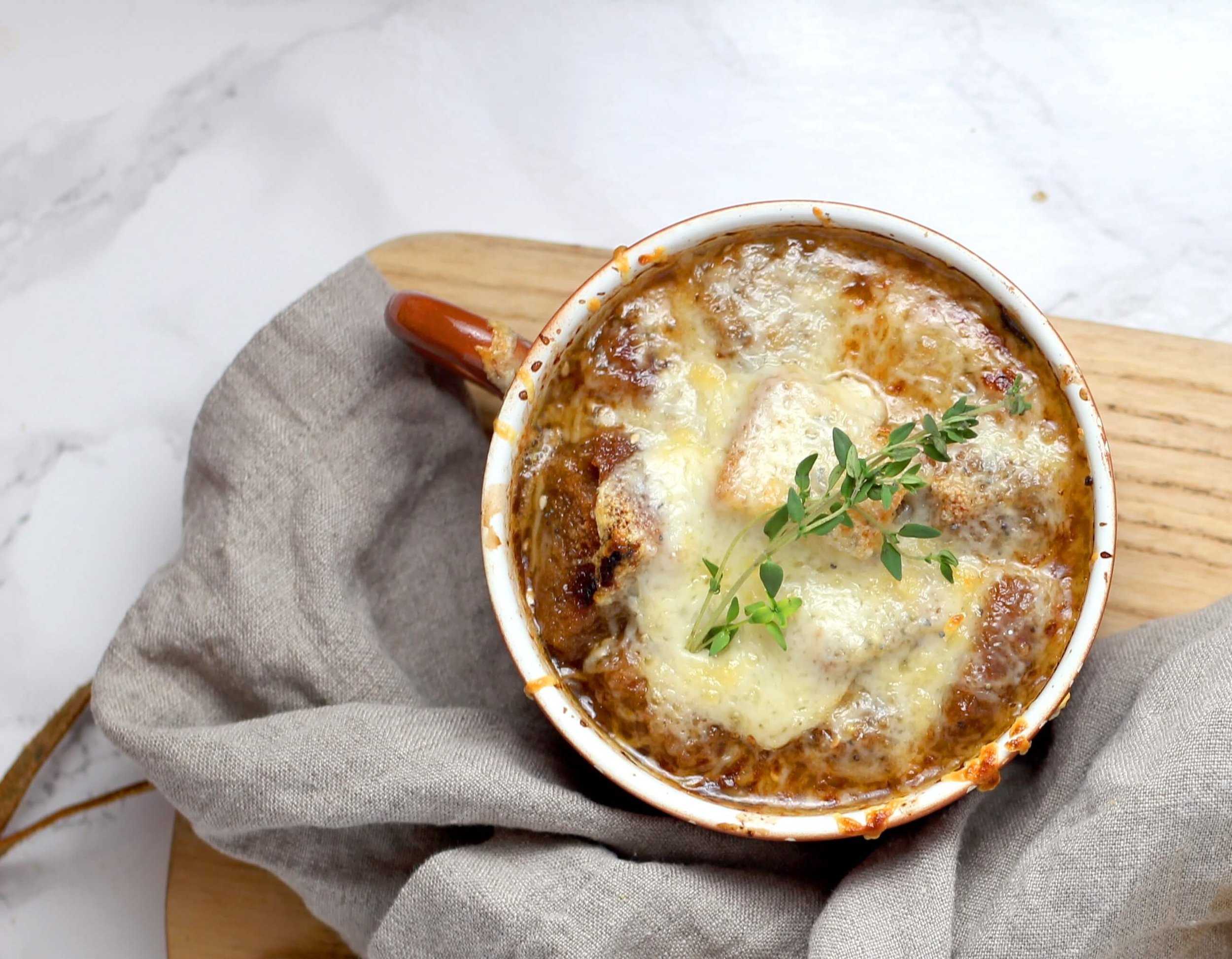
premiumtix.net – Soupe à l’Oignon, or French onion soup, is a beloved French dish that has been comforting diners for centuries. This hearty and flavorful soup is a quintessential French comfort food, perfect for a chilly winter evening.

A Rich History

The origins of onion soup can be traced back to ancient Roman times. However, it was during the 18th century in France that the dish gained popularity. The addition of cheese, typically Gruyère or Emmental, to the top of the soup is believed to have originated in the 19th century.

Key Ingredients and Preparation

The key to a delicious onion soup lies in the careful caramelization of the onions. This process involves slowly cooking the onions over low heat until they become soft, sweet, and golden brown. The caramelized onions are then simmered in a rich beef broth, often fortified with red wine, to create a flavorful base.

The soup is traditionally served in individual bowls, topped with a generous amount of grated cheese. The bowls are then placed under a broiler or a kitchen torch to melt the cheese, creating a golden, bubbly crust.

A Versatile Dish

While the classic French onion soup recipe is beloved by many, there are many variations and modern twists on this timeless dish. Some chefs experiment with different types of cheese, such as fontina or gruyère, while others add a touch of cream or truffle oil to elevate the flavor.

Poisonous Foods: Hidden Dangers in Common Ingredients

premiumtix.net – Food poisoning is a serious health concern that can arise from consuming contaminated or toxic foods. While many foods are safe when prepared and stored correctly, certain items can become hazardous under specific conditions. This article explores some common foods that can turn poisonous and the risks associated with them.

Common Foods That Can Turn Poisonous

1. Raw Produce

Raw fruits and vegetables can harbor harmful bacteria such as E. coli and Salmonella, especially if they are not washed properly or are contaminated during handling. Leafy greens, lettuce, and sprouts are particularly risky due to their high surface area and the difficulty in thoroughly cleaning them.

2. Contaminated Drinking Water

Drinking water can become a source of food poisoning if it is contaminated with pathogens. This is especially true in areas with poor water treatment facilities or during natural disasters that disrupt water supply systems.

3. Shellfish from Contaminated Water

Shellfish like oysters, clams, and mussels can accumulate toxins from contaminated water. These toxins can cause severe illness if the shellfish are consumed raw or undercooked.

4. Foods Contaminated by Food Handlers

Improper handling of food by handlers can lead to contamination. If food is not reheated to a sufficient temperature after being contaminated, it can pose a significant health risk.

5. Everyday Foods with Hidden Toxins

Some common foods can become toxic under certain conditions. For example, potatoes that have turned green contain solanine, a toxic compound. Similarly, improperly stored or cooked beans can produce lectins, which are harmful if consumed.

Symptoms and Treatment of Food Poisoning

Symptoms

The symptoms of food poisoning can vary depending on the type of toxin or bacteria involved. Common symptoms include:

  • Nausea and vomiting
  • Diarrhea
  • Abdominal pain and cramps
  • Fever
  • Dehydration

Treatment

Treatment for food poisoning typically involves:

  • Rehydration: Drinking plenty of fluids to prevent dehydration.
  • Rest: Allowing the body to recover.
  • Medication: In severe cases, antibiotics or other medications may be prescribed.

Prevention

Preventing food poisoning involves several key practices:

  • Proper Storage: Store food at the correct temperature to prevent bacterial growth.
  • Thorough Cooking: Cook food to the recommended internal temperature to kill harmful bacteria.
  • Good Hygiene: Wash hands and surfaces regularly to avoid cross-contamination.
  • Safe Handling: Be cautious when handling raw meat and seafood to prevent contamination.

Conclusion

While many foods are safe when handled and prepared correctly, certain conditions can turn them into sources of food poisoning. Awareness of these risks and adherence to food safety practices can significantly reduce the likelihood of falling ill. By understanding the hidden dangers in common foods, we can take steps to protect ourselves and our families from foodborne illnesses.

The Most Unique Street Foods from Around the Globe

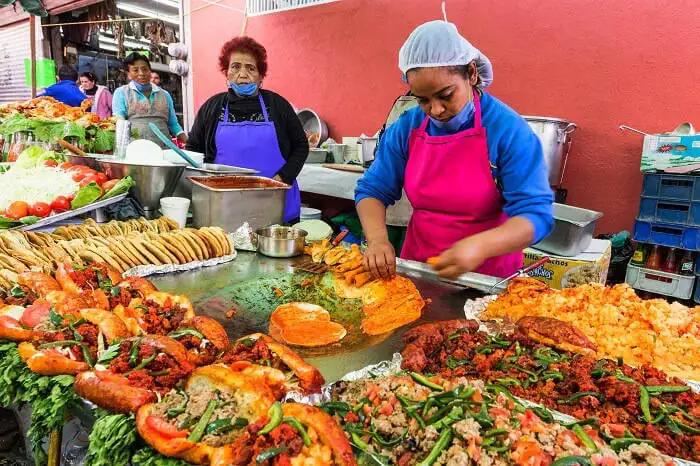
premiumtix.net – Street food is more than just a quick snack; it’s a window into the soul of a culture. Each country has its own unique street food offerings that reflect its history, traditions, and culinary creativity. From the bustling streets of Asia to the vibrant markets of Africa, and from the sidewalk vendors of South America to the food trucks of North America, the world’s street food scene is a treasure trove of flavors waiting to be explored.

Asia – A Mosaic of Flavors

Asia is a continent where street food is not just a way of life but an art form. In Japan, one can find Takoyaki, delectable balls of batter filled with octopus and topped with a savory sauce. Thailand offers the spicy and tangy Som Tam, a green papaya salad that packs a punch. India’s Chaat is a chaotic yet delicious mix of crispy fried dough, chickpeas, chutneys, and yogurt. And in Vietnam, Banh Mi sandwiches, with their French-inspired baguettes filled with Vietnamese ingredients, are a testament to the country’s colonial past.

Africa – A Fusion of Tastes

The African continent boasts a variety of street foods that reflect its diverse cultures. In Morocco, the spicy and savory Tagine is often found on the streets, served in small portions. Nigeria’s Suya is a flavorful skewered meat that’s marinated in peanut sauce and spices. South Africa’s Bunny Chow is a curry served in a hollowed-out loaf of white bread, a unique twist on traditional Indian cuisine.

South America – Vibrant and Varied

South America’s street food scene is as vibrant as its culture. In Brazil, the Açaí bowl has become a global sensation, made from the Açaí berry and blended with fruits and granola. Argentina’s Choripán is a simple yet satisfying sandwich of chorizo sausage in a crusty bread roll. And in Peru, the Anticuchos, skewered and grilled hearts of cattle, are a beloved street food, often served with a side of corn.

North America – Innovative and Eclectic

North America’s street food scene is a melting pot of global influences with a focus on innovation. The United States is home to gourmet food trucks serving everything from Korean tacos to lobster rolls. Canada’s Poutine, a dish of fries smothered in cheese curds and gravy, is a hearty street food staple. And Mexico’s Tacos al Pastor, with their marinated pork and pineapple, are a must-try for any street food enthusiast.

Europe – Tradition Meets Modernity

Europe’s street food scene is a blend of tradition and modernity. In Italy, the classic Pizza al Taglio, or pizza by the slice, is a quick and delicious snack. Spain’s Churros con Chocolate, fried dough pastries served with a thick hot chocolate, are a sweet treat found on many streets. And in the UK, the classic Fish and Chips, wrapped in newspaper, is a nostalgic favorite.

Oceania – Fresh and Exotic

Oceania offers street foods that are as fresh as they are exotic. In Australia, the Pie Floater, a meat pie served in a pea soup with tomato sauce, is a unique take on comfort food. New Zealand’s Hangī, a traditional Māori dish cooked underground with hot stones, offers a taste of indigenous cuisine.

Conclusion – A World of Flavors at Your Feet

The world’s street food scene is a testament to human ingenuity and the universal love of food. Each unique street food offering tells a story of its people, their history, and their traditions. Whether you’re a seasoned traveler or a curious foodie, the global street food scene invites you to take a bite out of the world’s rich cultural tapestry.