
Diptyque Eau Duelle Perfume: Vanilla’s Many Facets

premiumtix.net – Diptyque is a luxury French fragrance house known for creating sophisticated and complex scents that evoke distant lands, nature, and unique sensory experiences. One of their most cherished creations is Eau Duelle, a fragrance that masterfully explores the many dimensions of vanilla. While vanilla is often perceived as sweet and simple, Eau Duelle elevates it into something far more nuanced—an elegant journey through spicy, woody, and warm territories, highlighting the multifaceted nature of this beloved ingredient.

Eau Duelle is a perfect blend of contrasting elements. It balances sweetness with spice, warmth with freshness, and depth with lightness. It’s a fragrance that both surprises and comforts, making it a favorite among those who appreciate complexity and subtle beauty.

The Inspiration Behind Eau Duelle

Diptyque’s Eau Duelle is inspired by the ancient spice routes, where explorers and traders would venture to exotic lands in search of valuable spices, including vanilla. The fragrance is a tribute to the travels and discoveries of these adventurers, and it captures the mystery and allure of faraway places where the scent of spices lingers in the air.

Vanilla, as the central note of Eau Duelle, is showcased in a way that brings out its complexity. It’s not just the sweet, gourmand vanilla that people often associate with desserts; it’s an exploration of the ingredient’s deeper, more sophisticated qualities. In this fragrance, vanilla is smoky, spicy, and even slightly resinous, layered with other ingredients that transport the wearer to distant lands full of history, warmth, and intrigue.

Notes and Composition

Eau Duelle is a fragrance built around the contrasts between light and dark, sweet and spicy. It combines bright, fresh notes with deep, resinous undertones, creating a composition that is both airy and grounded. The interplay of these elements makes Eau Duelle a versatile fragrance that can be worn year-round.

  • Top Notes: The fragrance opens with a bright, lively mix of cardamom, juniper berry, and pink peppercorn. These spicy top notes give the fragrance a fresh and invigorating start, creating a contrast to the deeper, sweeter vanilla that follows. The cardamom adds a touch of warmth, while the juniper berry brings a crisp, herbal quality. Pink peppercorn lends a subtle spice, enhancing the overall vibrancy of the opening.
  • Heart Notes: As the top notes begin to fade, the heart of Eau Duelle reveals itself with the rich, smoky scent of black tea and frankincense. These notes deepen the fragrance, adding an exotic, resinous quality that evokes the scent of faraway spice markets. The black tea introduces a smoky warmth, while the frankincense brings a sense of mystery and timelessness, making the fragrance feel both ancient and modern.
  • Base Notes: The true star of the fragrance is the vanilla in the base, which is paired with ambergris, cypriol, and rockrose. The vanilla here is not your typical sugary sweet variety—it’s a deep, resinous, and slightly smoky vanilla that feels rich and sophisticated. Ambergris adds a warm, salty touch, while cypriol and rockrose bring earthy, woody notes that ground the fragrance and give it a sense of depth and longevity.

This composition allows the vanilla to shine in all its complexity, from its sweet, comforting aspects to its darker, spicier side. The result is a fragrance that feels both comforting and intriguing, with layers that unfold over time.

A Journey Through Contrast

One of the defining characteristics of Eau Duelle is its exploration of contrasts. The fragrance is a perfect balance between light and dark, sweet and spicy, warm and fresh. It starts with bright, invigorating top notes that awaken the senses, then transitions into a warm, smoky heart before settling into a comforting, rich vanilla base. This progression mirrors the journey along the spice routes, where exotic spices were traded alongside luxurious ingredients like vanilla, creating a sensory experience full of contrasts.

The vanilla in Eau Duelle is not the typical gourmand vanilla often found in perfumes. Instead, it is a complex, multifaceted vanilla that showcases both its sweet and resinous sides. The addition of spices like cardamom and peppercorn adds a hint of heat, while the smoky black tea and frankincense provide depth and warmth. The result is a fragrance that feels both familiar and exotic, comforting and adventurous.

Who is Eau Duelle For?

Eau Duelle is a fragrance for those who appreciate complexity and subtle elegance. It is perfect for individuals who enjoy vanilla-based fragrances but are looking for something more sophisticated and less sweet. The spicy, smoky, and woody elements of Eau Duelle make it a versatile fragrance that can be worn by both men and women, appealing to those who prefer unisex scents.

This fragrance is particularly well-suited for individuals who enjoy perfumes that evolve over time. Eau Duelle is not a linear scent—it develops on the skin, revealing different layers as the hours pass. The bright, spicy opening gives way to a warm, smoky heart, and the rich vanilla base lingers on the skin, creating a lasting impression.

Eau Duelle is also a great choice for those who enjoy fragrances with a story. The scent tells the tale of the spice routes, evoking images of faraway lands, exotic markets, and the luxurious ingredients that were traded along these ancient paths. It’s a fragrance that invites the wearer to embark on a sensory journey, making it perfect for those who appreciate perfumes with depth and character.

Performance and Longevity

In terms of performance, Eau Duelle has moderate sillage and longevity. The fragrance has a soft, intimate projection, making it perfect for close encounters or occasions where you want a scent that is noticeable but not overwhelming. It’s a scent that stays close to the skin, creating a personal aura that feels warm and inviting.

The longevity of Eau Duelle is impressive, with the fragrance lasting several hours on the skin. The rich vanilla base, along with the smoky and resinous notes, ensures that the scent remains present throughout the day, evolving as it wears. While the top notes of spice and citrus may fade after the first hour or two, the heart and base of the fragrance linger beautifully, providing a lasting sense of warmth and comfort.

Cultural and Artistic Significance

Diptyque is known for its artistic approach to fragrance creation, and Eau Duelle is no exception. The fragrance is a perfect example of how perfumery can be used to tell a story and evoke a sense of place and time. By drawing inspiration from the spice routes and the journey of vanilla, Eau Duelle pays homage to the rich history of exploration, trade, and cultural exchange that has shaped the world of fragrance.

The complexity of Eau Duelle also reflects Diptyque’s commitment to creating scents that are more than just simple, linear compositions. The brand is known for its sophisticated, multi-layered fragrances that evolve over time, and Eau Duelle is a perfect example of this. It’s a fragrance that encourages the wearer to slow down, appreciate the journey of the scent, and savor the different stages of its development.

Final Thoughts: A Sophisticated Vanilla for the Adventurous Spirit

Diptyque Eau Duelle is a fragrance that redefines vanilla, taking it beyond its typical sweet, gourmand associations and exploring its deeper, more sophisticated facets. With its blend of spicy, smoky, and woody notes, Eau Duelle is a fragrance that feels both comforting and adventurous, making it perfect for those who appreciate complexity and subtle elegance.

Whether worn as a signature scent or saved for special occasions, Eau Duelle is a fragrance that leaves a lasting impression. Its balance of contrasts—light and dark, sweet and spicy, fresh and warm—makes it a versatile choice for any season or occasion. For those who love vanilla but crave something more unique and refined, Eau Duelle is a must-try.
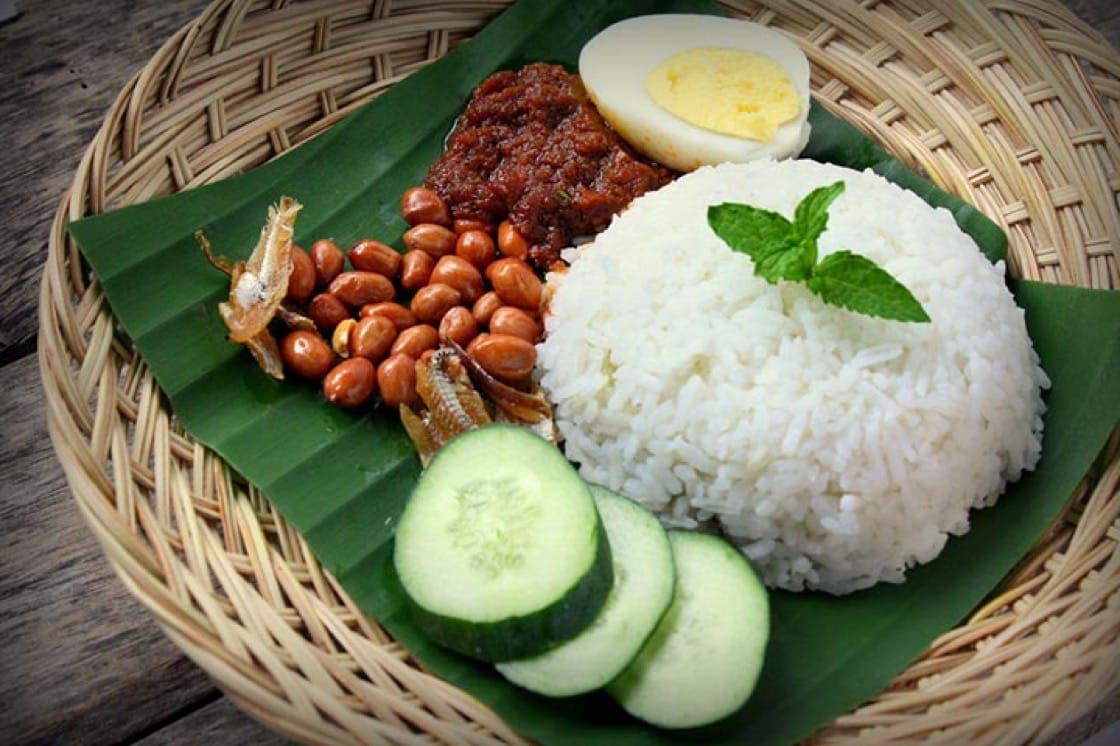

Nasi Lemak: A Fragrant Journey Through Malaysian Cuisine

premiumtix.net – Nasi Lemak, a fragrant rice dish cooked in coconut milk and pandan leaves, stands as a beloved national dish of Malaysia. This iconic culinary creation is a testament to the country’s rich cultural tapestry, blending Malay, Chinese, and Indian influences into a symphony of flavors and textures.   

Aromatic Foundation:

At the heart of Nasi Lemak lies the fragrant rice, cooked in coconut milk and infused with the delicate aroma of pandan leaves. This imparts a subtle sweetness and a captivating fragrance that tantalizes the senses. The rice is typically served alongside a medley of accompaniments, creating a harmonious balance of flavors and textures.   

A Feast for the Senses:

  • Sambal: No Nasi Lemak is complete without sambal, a fiery chili paste that adds a burst of heat and tanginess to the dish. Made with chili peppers, shallots, garlic, and often shrimp paste, sambal is a cornerstone of Malaysian cuisine, providing a kick that awakens the palate.   
  • Fried Chicken: Crispy, succulent fried chicken is a popular accompaniment, offering a satisfying contrast to the fragrant rice. The crispy skin and juicy meat provide a textural and flavor dimension that elevates the dining experience.   
  • Fried Anchovies: Known as “ikan bilis,” these small, crispy fried anchovies add a savory crunch and a unique umami flavor to the dish. They are often sprinkled over the rice or enjoyed as a separate snack.   
  • Peanuts: Roasted peanuts provide a nutty crunch and a touch of sweetness, adding another layer of texture and flavor to the Nasi Lemak. 
  • Cucumber: Sliced cucumbers offer a refreshing and cooling element, balancing the richness of the other components and providing a much-needed respite from the heat.   
  • Hard-boiled Egg: Often included, a hard-boiled egg provides a protein boost and a satisfyingly creamy texture.   

Beyond the Basics:

While the core components remain consistent, Nasi Lemak is a versatile dish that can be adapted to suit individual preferences. Some variations include:   

  • Rendang: A rich and flavorful beef or chicken curry cooked in coconut milk and spices.
  • Sambal Sotong: Stir-fried squid in a spicy sambal sauce.   
  • Telur Dadar: A simple omelet, often folded and cut into strips.
  • Otak-otak: Grilled fish cakes made with ground fish, coconut milk, and spices.   

A Culinary Heritage:

Nasi Lemak is more than just a dish; it is a cultural symbol of Malaysia. It is enjoyed by people from all walks of life, from street vendors and hawkers to fine dining establishments. This ubiquitous dish serves as a point of connection, bringing people together and fostering a sense of shared culinary heritage.   

A Global Phenomenon:

The popularity of Nasi Lemak has extended beyond Malaysian borders. It has gained a devoted following in Singapore, Brunei, and even parts of Indonesia. In recent years, Nasi Lemak has also made its mark on the international culinary scene, captivating food enthusiasts around the world with its unique blend of flavors and aromas.

A Culinary Legacy:

Nasi Lemak stands as a testament to the enduring power of culinary traditions. This fragrant rice dish, with its simple yet satisfying combination of flavors and textures, continues to captivate and delight food lovers across generations. As a symbol of Malaysian culture and a celebration of diverse culinary influences, Nasi Lemak is a culinary legacy that is sure to endure for years to come.

The Pleasure Seekers (1964): A Journey of Romance & Adventure

premiumtix.net – Released in 1964, “The Pleasure Seekers” is a vibrant American musical romantic comedy film directed by Jean Negulesco. This film is a remake of the 1954 classic “Three Coins in the Fountain,” and it presents a delightful narrative set against the enchanting backdrop of Madrid, Spain. The screenplay, crafted by Edith Sommer, is based on the novel “Coins in the Fountain” by John H. Secondari.

Plot Overview

The story revolves around the romantic escapades of three American women—Susie Higgins, Maggie Williams, and Fran Hobson—who share an apartment in Madrid. Each of them is on a quest for love and excitement, which leads to a series of comedic and romantic adventures. Susie, played by Ann-Margret, is an aspiring actress who attracts the attention of a wealthy young man. Maggie, portrayed by Carol Lynley, finds herself entangled in a complicated relationship with her married boss, while Fran, played by Pamela Tiffin, is caught in a love triangle with a charming doctor and a bullfighter.

Themes and Style

“The Pleasure Seekers” encapsulates the spirit of the 1960s with its colorful cinematography and lively musical numbers. The film explores themes of love, friendship, and the pursuit of happiness, all set against the picturesque scenery of Madrid. The movie’s musical score, composed by Sammy Cahn and Jimmy Van Heusen, complements the narrative with catchy tunes that enhance the film’s charm.

Cast and Performances

The film boasts a stellar cast, including Ann-Margret, who delivers a charismatic performance that highlights her singing and acting talents. Tony Franciosa, Gardner McKay, and Brian Keith also contribute memorable performances that add depth to the film’s romantic storyline. The chemistry among the cast members brings an authentic sense of camaraderie and romance to the screen.

Cultural Impact

While “The Pleasure Seekers” may not have reached the iconic status of its predecessor, “Three Coins in the Fountain,” it nevertheless remains a cherished film for its nostalgic portrayal of 1960s romance and adventure. Its depiction of Madrid as a vibrant and romantic city adds to the film’s allure, making it a visual treat for audiences.

Conclusion

“The Pleasure Seekers” is a delightful film that captures the essence of romantic comedy with a musical twist. Its engaging plot, charming performances, and picturesque setting offer a perfect escape into the world of love and adventure. For fans of classic cinema, this movie is a splendid example of 1960s Hollywood charm and storytelling.

My Girl (2003): A Nostalgic Journey Through Childhood

premiumtix.net – “My Girl” (Thai: แฟนฉัน), released in 2003, is a Thai film directed by a team of six directors: Vitcha Gojiew, Songyos Sugmakanan, Nithiwat Tharathorn, Komgrit Triwimol, Vithaya Thongyuyong, and Adisorn Tresirikasem. Known locally as “Fan Chan,” this film captures the essence of childhood and the poignant transition into adolescence, resonating with audiences through its heartfelt storytelling and vivid depiction of youthful innocence.

Plot Overview

The film revolves around Jeab, a young boy living in a small town in Thailand, and his best friend, Noi-Naa. The narrative unfolds through Jeab’s memories as he receives news of Noi-Naa’s wedding. Set in the 1980s, the film beautifully captures their adventures, the innocence of first love, and the challenges they face as they grow up. The story reflects on the bittersweet nature of growing apart and the enduring impact of childhood friendships.

Themes and Characters

“My Girl” is a nostalgic exploration of childhood, focusing on themes such as friendship, first love, and the transition from innocence to experience. Jeab and Noi-Naa’s relationship highlights the simplicity and purity of childhood connections. The film also touches on themes of family and community, portraying the support and warmth of a small town that shapes the characters’ lives.

Cinematic Style

The film is distinguished by its authentic portrayal of rural Thai life in the 1980s, using vibrant cinematography and a nostalgic soundtrack that enhances the emotional depth of the story. The directors employ a slice-of-life approach, immersing viewers in the daily experiences and adventures of the young protagonists.

Impact and Legacy

“My Girl” was a major success in Thailand, becoming one of the highest-grossing films of its time and winning multiple awards. Its universal themes and charming narrative have made it a beloved classic, appealing to audiences of all ages. The film’s success also marked a turning point in Thai cinema, showcasing the potential of local storytelling on a global stage.

Conclusion

“My Girl” is a touching tribute to the innocence and wonder of childhood. Its timeless story of friendship and growing up continues to resonate with audiences, offering a warm, nostalgic experience that celebrates the joys and challenges of youth. For anyone seeking a heartfelt film that captures the essence of childhood, “My Girl” is a delightful and enduring choice.

The Umbrella Academy: A Journey Through Time and Chaos

premiumtix.net – The Umbrella Academy, an American superhero comedy drama television series, has captivated audiences since its premiere on Netflix in 2019. Based on the comic book series by Gerard Way and Gabriel Bá, the show follows a dysfunctional family of adopted siblings with unique superpowers as they navigate their lives and confront various threats to the world.

The Premise

Created by Steve Blackman and developed by Jeremy Slater, The Umbrella Academy is set in a world where 43 women give birth to children with extraordinary abilities on the same day in 1989. These children are adopted by the eccentric billionaire Reginald Hargreeves, who trains them to become a superhero team known as the Umbrella Academy. The series primarily focuses on the seven main siblings: Viktor, Luther, Diego, Allison, Klaus, Number Five, and Ben, each with their own distinct powers and personalities.

The Plot

The series begins with the Hargreeves siblings reuniting after their father’s death to solve the mystery of his murder and prevent an impending apocalypse. As they delve deeper into their father’s past and the origins of their powers, they encounter numerous challenges and revelations that test their relationships and resolve.

Season 1

The first season introduces the audience to the Hargreeves siblings and their unique abilities. It sets the stage for the series by exploring their dysfunctional family dynamics and the mysterious circumstances surrounding their father’s death. The season ends with a cliffhanger, leaving viewers eager for more.

Season 2

In the second season, the siblings travel back in time to the 1960s, where they encounter alternate versions of themselves and face new challenges. This season delves deeper into the characters’ backstories and explores the consequences of their actions in the past.

Season 3

The third season sees the siblings in a new timeline where they have lost their powers. They must navigate this new reality while uncovering the truth behind the “Jennifer Incident” and the mysterious Keepers. This season introduces new characters and further complicates the narrative with its exploration of multiple timelines and the concept of the “Umbrella Effect”.

Season 4

The final season brings the series to a close with a bang. The Hargreeves siblings must confront the Keepers and their plans for the “Cleanse,” which threatens to erase all alternate timelines. The season provides closure to many of the series’ mysteries and concludes with a bittersweet ending that leaves a lasting impact on viewers.

Characters

The Umbrella Academy is known for its colorful and complex characters, each with their own strengths, weaknesses, and backstories. The main characters include:

  • Viktor (Elliot Page): The leader of the group, Viktor is intelligent and strategic but struggles with his identity and the weight of leadership.
  • Luther (Tom Hopper): A charismatic and confident leader, Luther’s past as a soldier and his relationship with his siblings add depth to his character.
  • Diego (David Castañeda): Known for his speed and impulsiveness, Diego’s journey from a troubled youth to a more mature individual is a significant part of the series.
  • Allison (Emmy Raver-Lampman): Allison’s ability to control the elements and her struggles with her sexuality and identity make her a compelling character.
  • Klaus (Robert Sheehan): A genius with a dark past, Klaus’s relationship with his siblings and his own personal demons are central to the series.
  • Number Five (Aidan Gallagher): The youngest sibling, Number Five’s innocence and vulnerability contrast with the chaos around him.
  • Ben (Justin H. Min): The absent sibling, Ben’s death and resurrection add a layer of mystery and tragedy to the series.

Reception

The Umbrella Academy has received critical acclaim for its unique blend of superhero elements, dark humor, and complex storytelling. The first three seasons were particularly well-received, with the final season garnering a more mixed response. The series has been praised for its character development, visual effects, and ability to tackle complex themes such as family, identity, and the consequences of one’s actions.

Conclusion

The Umbrella Academy stands out as a groundbreaking series in the superhero genre, offering a fresh take on the familiar tropes with its intricate plot, diverse characters, and exploration of multiple timelines. As the series concludes, it leaves a lasting impact on its audience, reminding us of the power of family and the importance of embracing our flaws and strengths.

French Gastronomy: A Culinary Journey Through Classes

premiumtix.net – French gastronomy is renowned worldwide for its quality, diversity, and rich heritage. It is not just about the food but also an art of living that celebrates the variety of flavors, aromas, and culinary methods. The French gastronomic meal, recognized by UNESCO as an intangible cultural heritage, involves a series of rituals and traditions that make dining a social and cultural experience.

The French Gastronomy Program

The French Gastronomy Program offers a comprehensive learning experience, combining cooking classes with cultural activities. These workshops are conducted in English, making them accessible to international students. Participants get to learn from top chefs, meet local producers, and gain insights into the French culinary world.

Culinary Classes in France

Le Cordon Bleu

One of the most prestigious culinary schools in France is Le Cordon Bleu in Paris. Known for its rigorous training programs, Le Cordon Bleu offers courses that range from basic cooking techniques to advanced culinary arts. Students learn the art of preparing classic French dishes, mastering the use of local ingredients, and understanding the importance of food and wine pairings.

Atelier des Chefs

Atelier des Chefs, located in various cities across France, provides seasonal cooking classes. These classes are designed to teach participants how to create a complete meal, from appetizers to desserts, in a short period. The hands-on approach ensures that students not only learn but also enjoy the process of cooking.

Gastronomicom

Founded in 2005, Gastronomicom is an international culinary school that offers a blend of cooking classes, pastry workshops, and French language lessons. The school’s curriculum is designed to provide a holistic learning experience, combining practical cooking skills with cultural immersion.

The Art of French Cooking

French cooking is built on two pillars: tradition and innovation. Traditional techniques are passed down through generations, while modern chefs continue to innovate, ensuring that French cuisine remains dynamic and relevant. The emphasis on local, seasonal ingredients and the art of food presentation are key aspects of French gastronomy.

Regional Influences

Each region in France has its own culinary specialties, reflecting the country’s rich cultural diversity. From the Provençal bouillabaisse to the Breton crêpes, regional cuisine offers a taste of France’s varied terroir. Learning to cook these regional dishes is an integral part of culinary classes in France.

Wine and Cheese Pairings

No discussion of French gastronomy is complete without mentioning wine and cheese. France is famous for its wide variety of cheeses and wines, and classes often include sessions on pairing these with meals. Understanding the nuances of wine and cheese pairings enhances the overall dining experience.

Conclusion

French gastronomy classes offer a unique opportunity to delve into the rich culinary traditions of France. From mastering classic French dishes to exploring regional specialties, these classes provide a comprehensive learning experience. Whether you are a professional chef or a culinary enthusiast, the art of French cooking is a journey worth embarking on.

Journey Through Ancient Civilizations: Empires of the Past

premiumtix.net – The history of human civilization is a tapestry woven with the threads of countless empires that have risen and fallen over millennia. These ancient civilizations, with their unique cultures, architectural marvels, and sophisticated societies, have left indelible marks on the world. From the towering pyramids of Egypt to the sprawling cities of the Roman Empire, the legacy of these empires continues to fascinate and inspire.

The Mesopotamian Empire: Cradle of Civilization

Mesopotamia, known as the land between the rivers, is often referred to as the cradle of civilization. It was here, in the fertile valleys of the Tigris and Euphrates, that some of the earliest cities and empires emerged. The Sumerians, Akkadians, Babylonians, and Assyrians all played their part in shaping this region, introducing innovations in writing, law, and governance that would influence the world for centuries to come.

The Egyptian Empire: Eternal Majesty

The Egyptian civilization, with its iconic pyramids and majestic Sphinx, has captivated the imagination of people for generations. The pharaohs, considered gods on earth, ruled over a society that excelled in art, architecture, and religion. The Nile River was the lifeblood of Egypt, enabling agriculture and trade that supported one of the most enduring empires in history.

The Indus Valley Civilization: A Forgotten Empire

The Indus Valley Civilization, centered around the Indus River and its tributaries, was one of the world’s earliest urban cultures. With cities like Harappa and Mohenjo-Daro, it showcased advanced urban planning and engineering skills. Despite its sophistication, the civilization remains somewhat of a mystery, with its decline and disappearance still subjects of scholarly debate.

The Chinese Empire: A Legacy of Unity

The history of China is a story of dynastic cycles, with empires rising and falling, each leaving its mark on the country’s rich cultural heritage. From the Qin Dynasty, which unified China and built the Great Wall, to the Han Dynasty, which expanded its territory and spread Chinese culture, the Chinese Empire has been a beacon of civilization in East Asia.

The Greek Empire: The Birthplace of Democracy

Ancient Greece, with its city-states like Athens and Sparta, is celebrated as the birthplace of democracy and Western philosophy. The Greeks made significant contributions to art, science, and politics, laying the foundations for Western civilization. The Hellenistic period, following Alexander the Great’s conquests, spread Greek culture across a vast empire that stretched from Greece to India.

The Roman Empire: A Model of Efficiency

The Roman Empire, at its zenith, was the most extensive empire the world had seen. With its sophisticated legal system, engineering prowess, and military might, Rome was able to maintain control over a diverse and widespread territory. The legacy of Roman roads, aqueducts, and governance structures can still be seen in the modern world.

The Maya Empire: A City of Stars

The Maya civilization, with its intricate calendar systems and astronomical knowledge, thrived in the jungles of Central America. The Maya built towering pyramids and developed a complex writing system. Their cities, like Tikal and Chichen Itza, were centers of trade and culture, showcasing the Maya’s advanced understanding of mathematics and astronomy.

The Aztec Empire: Power and Ritual

The Aztecs, who dominated central Mexico before the arrival of the Spanish, built an empire on the strength of their military and the complexity of their rituals. Their capital, Tenochtitlan, was a marvel of engineering, built on islands in the middle of a lake. The Aztecs’ religious practices, including human sacrifice, were integral to their society and reflected their deep connection to the cosmos.

Conclusion

The empires of the past were more than just historical footnotes; they were the architects of the modern world. Their achievements in art, science, and governance have shaped the course of human history. As we continue to uncover the secrets of these ancient civilizations, we gain a deeper understanding of our own place in the world. The legacy of these empires is a testament to the ingenuity and resilience of the human spirit, reminding us of the enduring power of civilization.

A Journey Through Celebratory Events: The Grandeur of Galas

premiumtix.net – In the realm of social gatherings, galas stand out as the epitome of elegance, extravagance, and celebration. These events are not merely parties; they are grand affairs that blend the best of entertainment, fashion, and philanthropy. From the iconic Met Gala in New York to the glittering Cannes Film Festival in France, galas have become a cornerstone of high society, a platform for charitable causes, and a showcase for the arts. This journey through the world of galas reveals the grandeur and significance of these celebratory events.

The Essence of Galas

At its core, a gala is a festive occasion, often elegant and formal, held to raise money for a particular cause or to celebrate a significant event. The word “gala” itself conjures images of opulence, with guests adorned in their finest attire, exquisite decorations, and an air of festivity that is palpable. Galas are not just about the celebration; they are also about the coming together of like-minded individuals to support a cause, be it arts, culture, science, or humanitarian efforts.

The Met Gala: A Fashion Extravaganza

One of the most famous galas in the world is the Met Gala, held annually in New York City. It is the official opening of the Metropolitan Museum of Art’s Costume Institute exhibition and is known for its celebrity-studded guest list and avant-garde fashion. The gala sets the stage for some of the most memorable fashion moments, with attendees interpreting the year’s theme in innovative and often daring ways. The Met Gala is not just a celebration of fashion; it is also a significant fundraising event for the Costume Institute.

Cannes Film Festival: The Pinnacle of Cinema

The Cannes Film Festival, held annually in Cannes, France, is a celebration of the best in cinema. It is an event that brings together filmmakers, actors, and film enthusiasts from around the world. The festival is renowned for its prestigious awards, including the Palme d’Or, and its iconic red carpet, where fashion and film intersect. Beyond the glamour, the Cannes Film Festival is a platform for showcasing and celebrating cinematic excellence and innovation.

Charitable Causes and Philanthropy

Many galas are organized with the primary goal of raising funds for charitable causes. These events leverage the power of community and celebrity to draw attention to important issues and raise significant amounts of money. From cancer research to environmental conservation, galas have become a vital tool in the philanthropic arsenal, providing both financial support and awareness for a myriad of causes.

The Art of Gala Planning

Behind every successful gala is a team of dedicated planners who understand the art of creating an unforgettable experience. From selecting the venue and theme to curating the guest list and entertainment, every detail is meticulously planned to ensure the event’s success. The goal is to create an atmosphere that is not only enjoyable but also memorable, leaving a lasting impression on attendees.

The Cultural Impact of Galas

Galas have a significant cultural impact, influencing fashion, entertainment, and philanthropy. They set trends, inspire creativity, and bring attention to important issues. Through media coverage, galas have the power to reach a global audience, amplifying their message and impact. They are a testament to the power of collective celebration and the positive change that can be achieved when people come together for a common cause.

Conclusion

The grandeur of galas lies not only in their opulence and elegance but also in their ability to bring people together for a greater good. These celebratory events are a reflection of our society’s values, aspirations, and creativity. Whether it’s the glitz of the Met Gala, the cinematic celebration of Cannes, or the charitable efforts of countless other galas, these events remind us of the importance of coming together to celebrate, support, and inspire. Galas are more than just parties; they are a journey through the heart of human creativity, generosity, and community.