Butter Chicken: A Creamy, Tomato-Based Delight

premiumtix.net – Butter Chicken, also known as Murgh Makhani, is a beloved Indian dish that features tender chicken cooked in a rich, creamy, and slightly spicy tomato-based sauce. This iconic dish has captured the hearts of food lovers around the globe, and for good reason. Its perfect balance of flavors, textures, and aromas makes it a truly unforgettable culinary experience.   

The Origins of Butter Chicken

While the exact origins of Butter Chicken are debated, it is believed to have originated in the 1950s in Delhi, India. One popular story credits the dish to a chef at Moti Mahal, a renowned restaurant in the city. The chef, inspired by the popularity of tandoori chicken, sought to create a dish that would be more accessible to a wider audience. He developed Butter Chicken by marinating chicken in yogurt and spices, grilling it in a tandoor oven, and then simmering it in a creamy tomato-based sauce.  

The Key Ingredients and Flavors

The key to a great Butter Chicken lies in the quality of its ingredients and the careful balance of flavors. The chicken is typically marinated in a mixture of yogurt, spices like garam masala, cumin, and coriander, and sometimes even a touch of red chili powder for a hint of heat. This marinade tenderizes the meat and infuses it with flavor.   

The sauce is the heart of the dish. It’s a blend of tomatoes, cream, butter, and a variety of spices, including garam masala, cumin, coriander, and turmeric. The combination of these ingredients creates a rich, creamy sauce with a complex flavor profile that is both comforting and indulgent.   

How to Make Butter Chicken at Home

While Butter Chicken may seem intimidating to make at home, it’s actually quite simple. Here’s a basic recipe to get you started:

Ingredients:

  • 1 pound boneless, skinless chicken breasts or thighs, cut into bite-sized pieces
  • 1 cup plain yogurt
  • 1 teaspoon garam masala   
  • 1/2 teaspoon cumin powder
  • 1/4 teaspoon coriander powder
  • 1/4 teaspoon red chili powder
  • 1 teaspoon ginger paste
  • 1 teaspoon garlic paste
  • 1 tablespoon lemon juice   
  • 1 tablespoon butter
  • 1 onion, finely chopped   
  • 2 cloves garlic, minced
  • 1 inch piece of ginger, grated
  • 1 can (28 ounces) crushed tomatoes
  • 1 cup heavy cream
  • Salt and pepper to taste
  • Fresh cilantro, for garnish

Instructions:

  1. Marinate the Chicken: In a bowl, combine the yogurt, garam masala, cumin powder, coriander powder, red chili powder, ginger paste, garlic paste, and lemon juice. Add the chicken pieces and marinate for at least 30 minutes, or preferably overnight.   
  2. Cook the Chicken: Heat the butter in a large skillet over medium-high heat. Add the marinated chicken pieces and cook until browned on all sides.
  3. Make the Sauce: In the same skillet, add the onion, garlic, and ginger. Cook until softened and fragrant. Add the crushed tomatoes, heavy cream, salt, and pepper. Bring to a boil, then reduce heat and simmer for 10-15 minutes, or until the sauce thickens.   
  4. Combine and Serve: Add the cooked chicken to the sauce and simmer for a few more minutes, until the chicken is cooked through and the flavors are well combined. Garnish with fresh cilantro and serve hot with naan or rice.   

Tips for the Perfect Butter Chicken:

  • Use high-quality ingredients: The quality of your ingredients will directly impact the taste of your dish.
  • Don’t overcook the chicken: Overcooking the chicken can make it dry and tough.   
  • Adjust the spice level to your liking: If you prefer a milder dish, reduce the amount of red chili powder.
  • Serve immediately: Butter Chicken is best enjoyed fresh.
  • Experiment with different variations: Try adding different spices, such as cardamom or cloves, or using a different type of protein, such as lamb or shrimp.
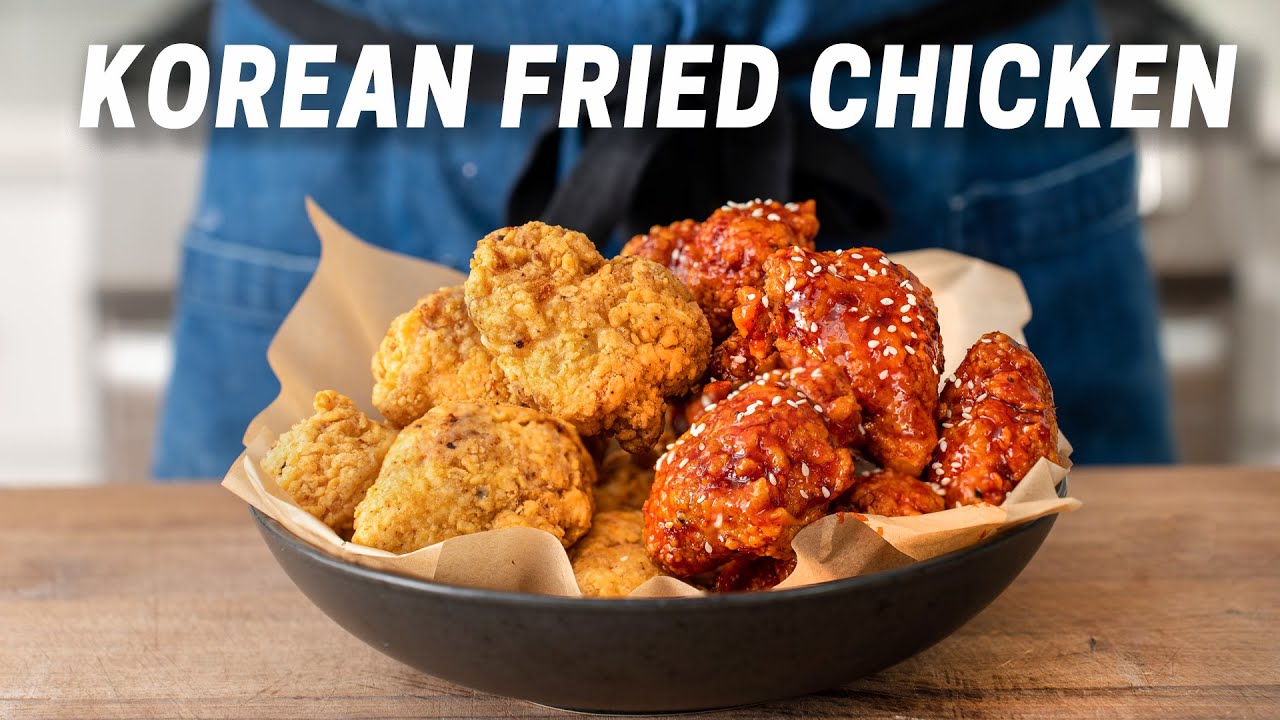
Korean Fried Chicken: A Crispy Delight with Flavorful Sauces

premiumtix.net – Korean fried chicken, known for its crispy texture and flavorful sauces, has become a global culinary sensation. This dish, often referred to as “the other KFC,” offers a unique twist on the classic fried chicken, combining traditional frying techniques with a variety of mouthwatering sauces that cater to diverse taste preferences. Whether you’re a fan of spicy, sweet, or tangy flavors, Korean fried chicken has something to offer for everyone.

The Art of Crispy Perfection

The hallmark of Korean fried chicken is its exceptionally crispy skin, achieved through a meticulous double-frying process. This method involves frying the chicken twice, which not only ensures a crunchy exterior but also keeps the meat juicy and tender inside. The first frying session cooks the chicken thoroughly, while the second quick fry enhances the crispiness, creating a delightful texture that sets it apart from other fried chicken styles.

A Symphony of Sauces

What truly distinguishes Korean fried chicken is the variety of sauces that accompany it. These sauces range from mild to fiery, offering a flavor for every palate. Some of the most popular sauces include:

  • Yangnyeom (Sweet and Spicy): A perfect balance of sweetness and heat, this sauce is made with ingredients like gochujang (Korean chili paste), garlic, sugar, and soy sauce. It coats the chicken in a sticky, flavorful glaze that is both satisfying and addictive.
  • Soy Garlic: For those who prefer a milder taste, soy garlic sauce offers a savory blend of soy sauce, garlic, and a hint of sweetness. This sauce enhances the natural flavors of the chicken without overpowering it.
  • Honey Butter: A sweeter option, honey butter sauce combines the richness of butter with the sweetness of honey, creating a delightful contrast to the savory chicken. It’s a perfect choice for those with a sweet tooth.
  • Spicy Gochujang: For adventurous eaters, spicy gochujang sauce brings an intense heat that will satisfy spice lovers. The fermented chili paste adds depth and complexity to the flavor profile.

A Cultural Phenomenon

Korean fried chicken is more than just a dish; it’s a cultural experience. In Korea, fried chicken is often enjoyed alongside beer, a combination known as “chimaek” (a portmanteau of “chicken” and “maekju,” the Korean word for beer). This pairing is a popular choice for gatherings, late-night snacks, and social events, reflecting the communal nature of Korean dining.

Conclusion

Whether you’re trying Korean fried chicken for the first time or you’re a seasoned fan, its crispy texture and diverse sauces offer an unforgettable culinary experience. Each bite delivers a satisfying crunch, followed by a burst of flavor that will leave you craving more. As Korean fried chicken continues to gain popularity worldwide, its unique fusion of traditional cooking techniques and modern flavors makes it a must-try dish for food enthusiasts everywhere.

Delights of Bakso: Indonesia’s Beloved Meatball Soup

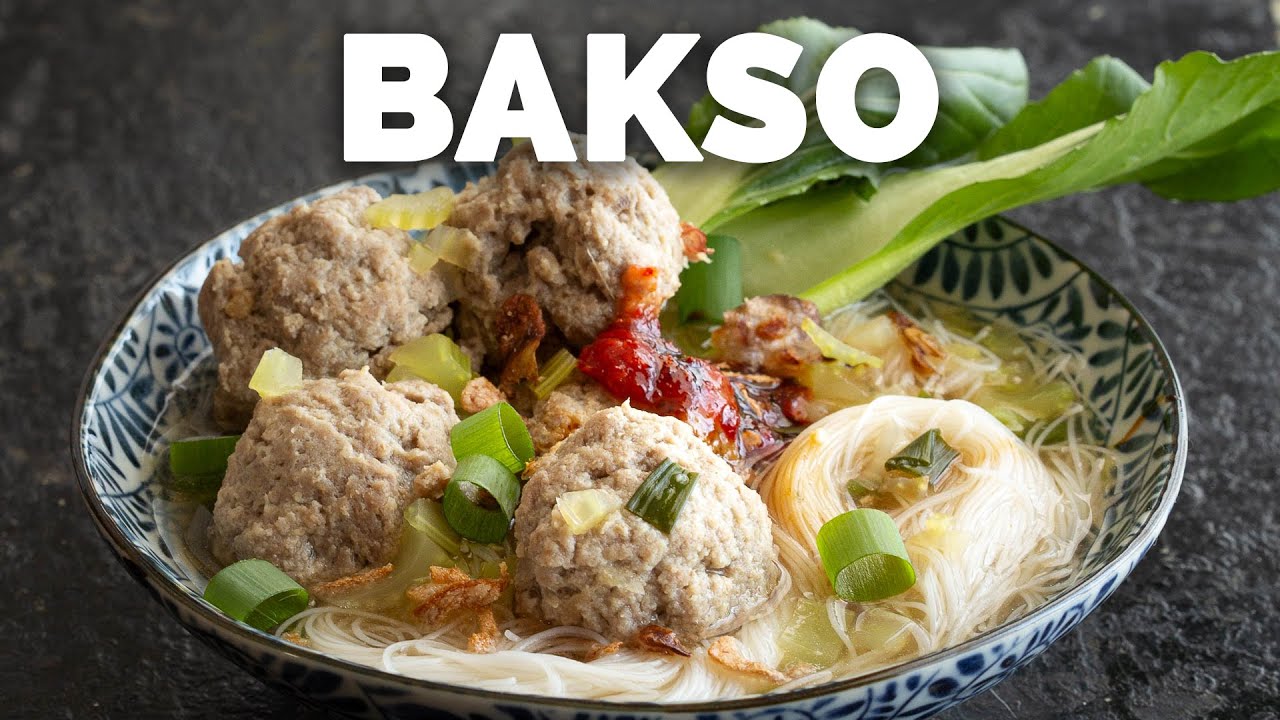
premiumtix.net – Bakso, a savory meatball soup, is a quintessential dish in Indonesian cuisine that has captured the hearts and taste buds of people across the archipelago and beyond. Known for its rich flavors and comforting warmth, bakso is a versatile dish that can be enjoyed as a quick snack or a fulfilling meal. This article delves into the origins, ingredients, preparation, and cultural significance of this beloved Indonesian delicacy.

The Origins of Bakso

The origins of bakso can be traced back to Chinese immigrants who settled in Indonesia, bringing with them their culinary traditions. Over time, bakso evolved, incorporating local flavors and ingredients to become a staple in Indonesian street food culture. Today, it is found in various forms across Indonesia, each with its unique regional twist.

Ingredients and Variations

At its core, bakso consists of meatballs made primarily from beef, though variations using chicken, fish, or even tofu are also popular. The meatballs are typically mixed with tapioca flour, giving them a distinctive chewy texture. The soup itself is a flavorful broth, often prepared using beef bones, garlic, shallots, and various spices that contribute to its rich taste.

Popular Variations

  1. Bakso Kuah: The classic version, served with a clear broth and often accompanied by noodles, fried tofu, fried shallots, and a sprinkle of green onions.
  2. Bakso Bakar: A grilled version where the meatballs are skewered and grilled, offering a smoky flavor.
  3. Bakso Malang: Originating from Malang, this version includes fried wontons, siomay (steamed dumplings), and crispy crackers.
  4. Bakso Tahu: Incorporating tofu, this variant combines the best of both worlds, with the meatballs stuffed inside pieces of tofu.

Preparing Bakso at Home

Creating bakso at home is a rewarding culinary adventure. Here’s a simple outline of the preparation process:

  1. Meatball Preparation: Combine ground beef or chicken with tapioca flour, garlic, salt, pepper, and a bit of iced water to create a smooth mixture. Form the mixture into small balls.
  2. Broth Creation: Simmer beef bones with garlic, shallots, and spices to create a rich and aromatic broth. Season to taste.
  3. Cooking the Meatballs: Gently drop the meatballs into the simmering broth. Once they float to the surface, they are cooked through.
  4. Serving: Serve the meatballs in a bowl of hot broth, adding noodles, vegetables, and your choice of condiments like sambal (chili sauce) or soy sauce.

Cultural Significance

Bakso holds a special place in Indonesian culture, often seen as a comfort food that brings people together. It is commonly enjoyed during gatherings, family meals, and special occasions. Street vendors selling bakso can be found in bustling markets and city streets, offering a quick and satisfying meal for passersby.

Conclusion

Bakso is more than just a soup; it is a reflection of Indonesia’s rich culinary heritage and its ability to adapt and innovate. Whether enjoyed in a small roadside stall or a high-end restaurant, bakso continues to be a beloved dish that represents the warmth and hospitality of Indonesian culture. As you savor each bite, you’re not only tasting a delicious meal but also experiencing a piece of Indonesia’s vibrant history and tradition.