Auvergne-Rhône-Alpes: A Tapestry of Nature, Culture, & Innovation

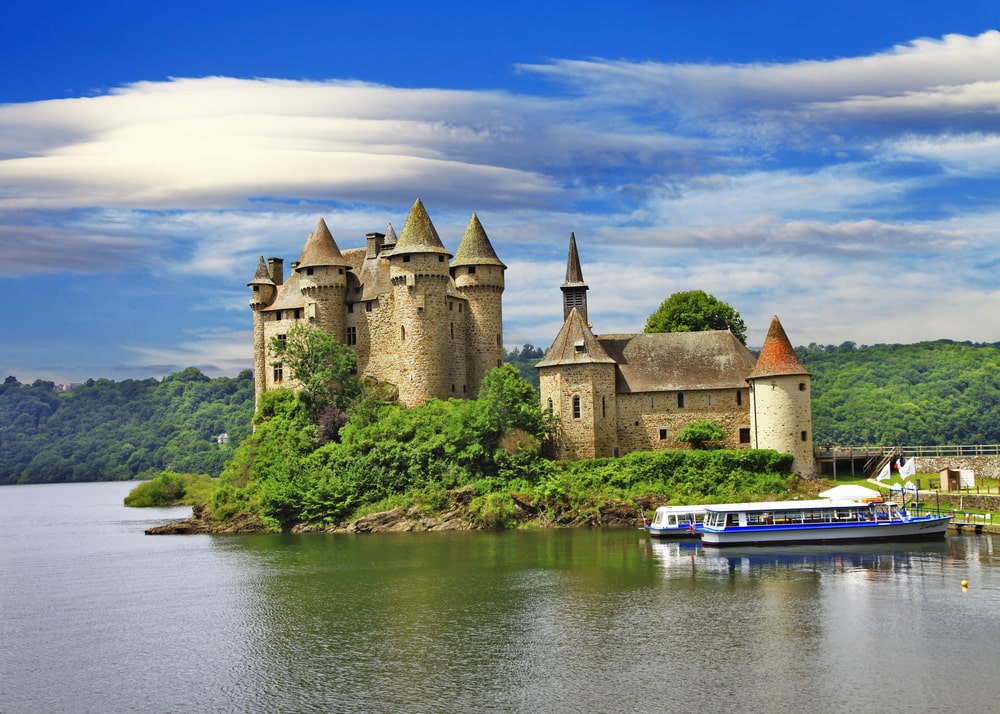
premiumtix.net – Auvergne-Rhône-Alpes, a region in southeastern France, is a captivating blend of diverse landscapes, rich history, and cutting-edge innovation. From the majestic peaks of the Alps to the volcanic wonders of the Auvergne, the region offers a breathtaking array of natural beauty. Its vibrant cities, including Lyon, Grenoble, and Clermont-Ferrand, are hubs of culture, gastronomy, and industry.   

Natural Splendor

  • The Alps: The region boasts a significant portion of the French Alps, renowned for its world-class skiing and hiking opportunities. The Mont Blanc massif, the highest peak in Western Europe, dominates the skyline, attracting outdoor enthusiasts from around the globe. 
  • The Massif Central: This ancient volcanic region is characterized by rolling hills, deep valleys, and picturesque villages. The Puy de Dôme, a dormant volcano, offers panoramic views of the surrounding countryside.
  • Lakes and Rivers: The region is dotted with numerous lakes and rivers, providing opportunities for water sports, fishing, and simply relaxing by the water’s edge. Lake Annecy, with its crystal-clear waters, is a popular destination for swimming and boating.  

Cultural Heritage

  • Lyon: The capital of the region, Lyon is a UNESCO World Heritage City renowned for its historic architecture, gastronomy, and vibrant cultural scene. The old town, with its narrow streets and Renaissance buildings, is a delight to explore.  
  • Grenoble: Known as the “Capital of the Alps,” Grenoble is a city of innovation and outdoor adventure. It’s home to the University Grenoble Alpes, one of the leading research universities in France. 
  • Clermont-Ferrand: The heart of the Auvergne, Clermont-Ferrand is a city with a strong industrial heritage. It’s also a gateway to the volcanic landscapes of the region.

Gastronomic Delights

Auvergne-Rhône-Alpes is a foodie’s paradise, offering a diverse range of culinary experiences. Some of the region’s most famous dishes include:

  • Lyonnaise cuisine: Known for its hearty dishes, such as quenelles de brochet (pike dumplings) and saucisson Lyonnais (Lyon sausage).  
  • Savoie cuisine: Featuring cheese-based dishes, including fondue and tartiflette, as well as hearty stews.
  • Auvergne cuisine: Characterized by rustic dishes made with local ingredients, such as potée auvergnate (a hearty stew) and aligot (a mashed potato dish with cheese).

Innovation and Industry

Auvergne-Rhône-Alpes is a major industrial hub, with a strong focus on technology, biotechnology, and sustainable development. The region is home to numerous research institutions and multinational corporations.

A Year-Round Destination

Whether you’re seeking outdoor adventure, cultural immersion, or gastronomic delights, Auvergne-Rhône-Alpes has something to offer every visitor. The region’s diverse landscapes and rich history make it an ideal destination for a memorable vacation.
Art and Culture: Museums and Galleries in Los Angeles

premiumtix.net – Los Angeles, the City of Angels, is not just known for its stunning beaches and the glitz of Hollywood but also for its rich tapestry of art and culture. The city is home to a plethora of museums and galleries that showcase a diverse range of artistic expressions from ancient to contemporary times. Here, we explore some of the most iconic and must-visit art destinations in Los Angeles.

The Broad

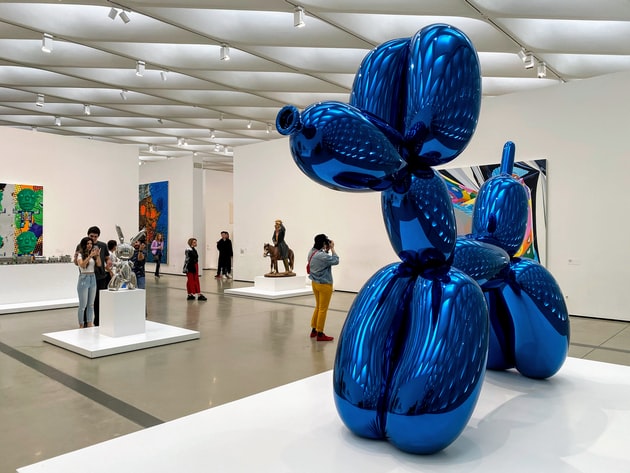
Located on South Grand Avenue, The Broad is an architectural marvel and a cultural gem. It houses an impressive collection of contemporary art, featuring works by artists like Jeff Koons, Cindy Sherman, and Jean-Michel Basquiat. The museum is renowned for its innovative exhibitions and its commitment to making art accessible to the public with free general admission.

Los Angeles County Museum of Art (LACMA)

As the largest art museum in the western United States, LACMA boasts a collection of over 147,000 objects that span the history of art from ancient times to the present. Its sprawling campus includes a mix of permanent collections and rotating exhibitions, offering something for every art lover. Notable pieces include works by Picasso, Diego Rivera, and Frida Kahlo.

The Getty Center

Perched atop a hill with breathtaking views of Los Angeles, The Getty Center is both a cultural and architectural landmark. It features European paintings, drawings, sculpture, and decorative arts, as well as American and European photographs. The center also offers beautifully manicured gardens and a research institute that contributes to art conservation and education.

Museum of Contemporary Art (MOCA)

MOCA is dedicated to collecting and exhibiting contemporary art. It has three locations across Los Angeles, each offering a unique experience. From avant-garde installations to thought-provoking exhibitions, MOCA is at the forefront of the contemporary art scene and a must-visit for those interested in modern artistic expressions.

Hammer Museum

Affiliated with UCLA, the Hammer Museum offers a dynamic range of exhibitions that highlight cutting-edge contemporary art and socially engaged projects. The museum is committed to free admission, making it an accessible space for all visitors.

Los Angeles’s Vibrant Gallery Scene

Beyond the major museums, Los Angeles is home to a vibrant gallery scene. Neighborhoods like Downtown LA, Culver City, and Santa Monica host a variety of galleries showcasing emerging artists and experimental works. These spaces often serve as incubators for new talent and provide intimate settings for experiencing art.

In conclusion, Los Angeles is a city where art and culture thrive, offering a rich and diverse array of museums and galleries that cater to all tastes. Whether you’re a seasoned art enthusiast or a casual visitor, the city’s cultural institutions provide a window into the world of art, history, and human creativity.

Traditions and Modern Practices: The Culture of Burkina Faso

premiumtix.net – Burkina Faso, a landlocked country in West Africa, is a mosaic of diverse ethnic groups, each with its unique traditions and cultural practices. Despite the influences of modernity, the country’s cultural heritage remains vibrant and deeply ingrained in the daily lives of its people. This article explores the rich tapestry of Burkina Faso’s culture, highlighting traditional practices and the integration of modern elements.

Ethnic Diversity and Cultural Heritage

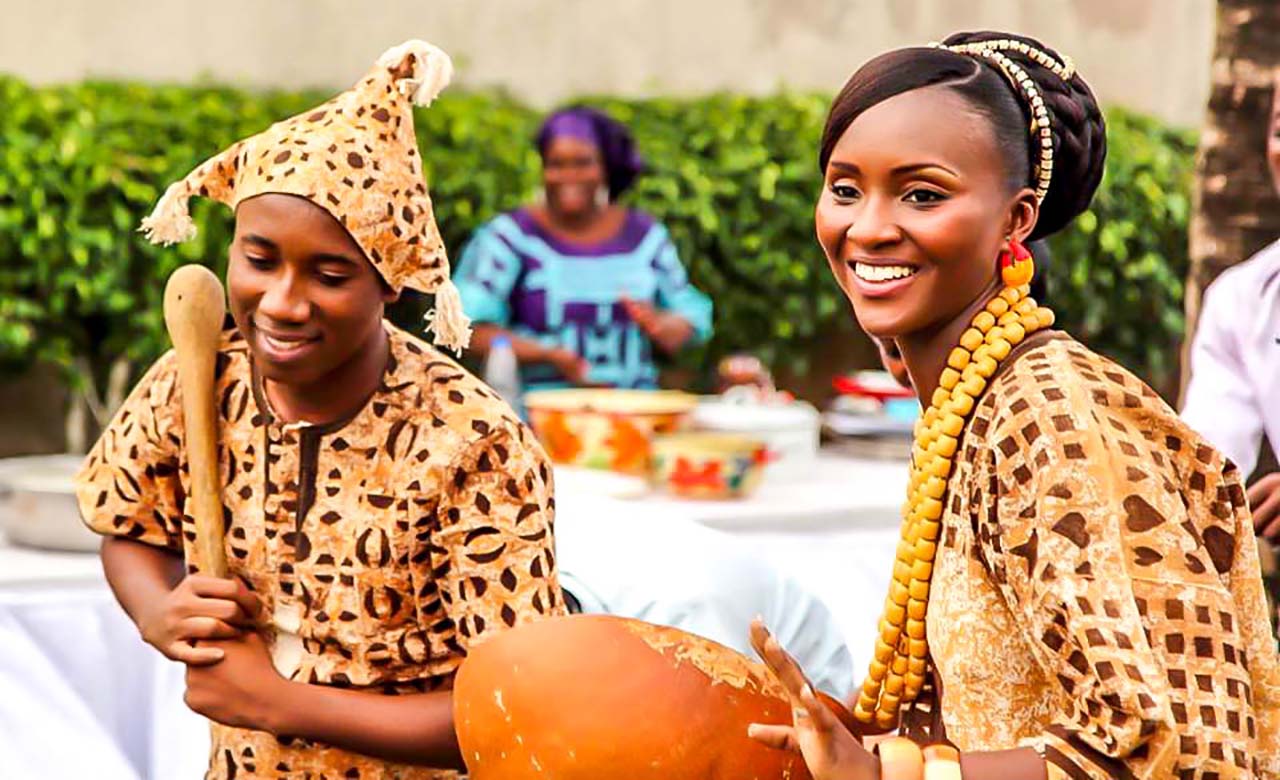
Burkina Faso is home to over 60 ethnic groups, with the Mossi being the largest. This ethnic diversity has contributed to a rich cultural landscape, characterized by a variety of languages, customs, and traditions. Traditional practices such as music, dance, and art play a central role in community life, often intertwined with religious and social ceremonies.

Traditional Practices

Music and Dance

Music and dance are integral to Burkinabé culture, serving as a means of communication, celebration, and social cohesion. Traditional instruments such as the balafon (wooden xylophone), djembé (drum), and kora (harp) are commonly used. Dance is often performed in groups, with intricate movements and costumes that reflect the cultural identity of the performers.

Art and Crafts

The country is renowned for its traditional crafts, including pottery, weaving, and metalwork. Artisans create intricate designs and patterns that are passed down through generations. These crafts are not only a source of income but also a way to preserve cultural heritage.

Festivals and Ceremonies

Festivals and ceremonies are an essential part of Burkinabé culture, marking important events such as harvests, marriages, and religious observances. One of the most famous is the FESPACO (Pan-African Film and Television Festival of Ouagadougou), which showcases African cinema and attracts filmmakers and enthusiasts from around the world.

Modern Practices

Urbanization and Globalization

As Burkina Faso undergoes urbanization and globalization, traditional practices are adapting to modern lifestyles. Urban centers like Ouagadougou and Bobo-Dioulasso are hubs of cultural innovation, where traditional music and art blend with contemporary influences. Social media and technology have also become platforms for cultural expression and preservation.

Education and Cultural Exchange

Education plays a crucial role in transmitting cultural knowledge to younger generations. Schools and cultural centers offer programs that teach traditional languages, music, and crafts. Additionally, cultural exchange programs with other countries help to promote Burkinabé culture on the global stage.

Sustainable Tourism

Sustainable tourism is emerging as a way to celebrate and preserve Burkina Faso’s cultural heritage. Eco-friendly tourism initiatives provide opportunities for visitors to experience traditional practices while supporting local communities and conservation efforts.

Conclusion

The culture of Burkina Faso is a testament to the resilience and creativity of its people. Traditional practices continue to thrive, adapting to the challenges of modernity while maintaining their essence. Through music, dance, art, and festivals, Burkinabé culture remains a vibrant force, connecting generations and fostering a sense of identity and community. As the country moves forward, the preservation and celebration of its cultural heritage will be key to its social and economic development.

Celebration of Art, Music, and Culture: Festival of Colors

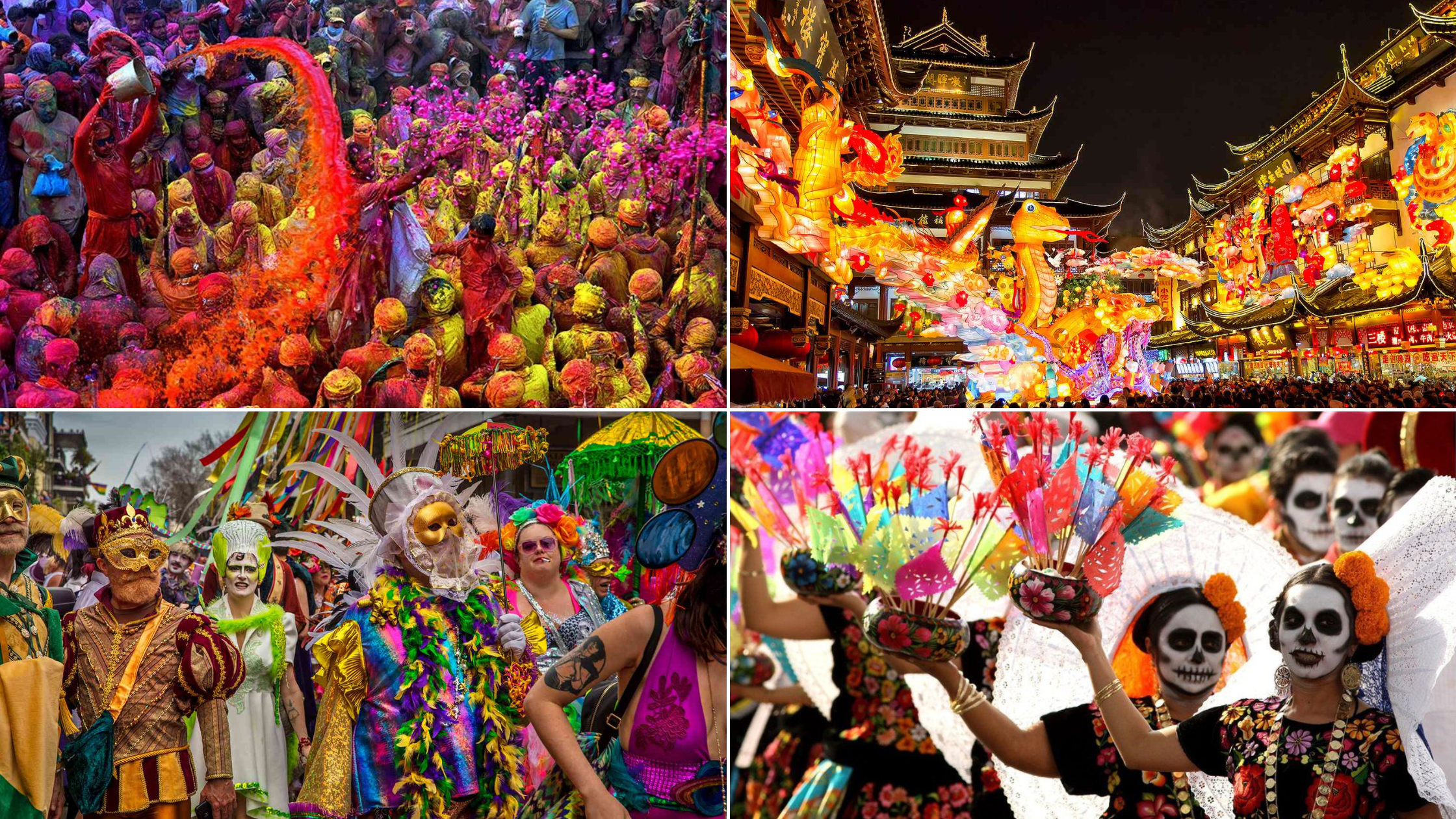
premiumtix.net – The Festival of Colors is a vibrant and exuberant celebration that transcends cultural boundaries, bringing together people from all walks of life to revel in the joy of art, music, and culture. Originating from the Hindu festival of Holi, which marks the arrival of spring and the triumph of good over evil, the Festival of Colors has evolved into a global phenomenon, embraced by communities around the world. It is a day when the usual constraints of society are cast aside, and people are encouraged to express themselves freely, immersing themselves in a kaleidoscope of colors and the rhythms of music.

At the heart of the Festival of Colors is the celebration of diversity and the unity it brings. It is a time when people come together, regardless of their background, to share in the universal language of art and music. The festival is a testament to the power of culture to bridge gaps and foster a sense of community and belonging.

The celebration typically begins with the throwing of colored powders and water, known as gulal and abir, which are considered safe and environmentally friendly. As the air fills with a rainbow of hues, participants are covered from head to toe in a vibrant palette, symbolizing the washing away of the past and the welcoming of new beginnings. The colors are not just a visual spectacle; they are a metaphor for the rich tapestry of life and the diverse experiences that shape our identities.

Music plays a pivotal role in the Festival of Colors, with live performances by DJs, bands, and traditional musicians setting the tone for the festivities. The beats and melodies are infectious, drawing people into a collective dance that knows no borders. The music is a blend of traditional and contemporary sounds, reflecting the festival’s ability to honor tradition while embracing modernity.

Art is another cornerstone of the Festival of Colors, with artists from various disciplines contributing to the event. From the colorful rangoli patterns that adorn the streets to the face painting and body art that adorn the revelers, the festival is a canvas for creativity. Art installations and performances add to the spectacle, inviting participants to engage with the art and become part of the living, breathing artwork that is the festival itself.

The Festival of Colors is not just a celebration of the senses; it is also an opportunity to reflect on the importance of cultural exchange and the role of art and music in fostering understanding and empathy. It challenges us to look beyond our differences and find common ground in the universal experiences that bind us.

As the day progresses, the festival often culminates in a communal feast, where traditional foods are shared among the participants. This act of breaking bread together is a powerful symbol of unity and friendship, reinforcing the bonds formed throughout the day.

The Festival of Colors is a reminder that, despite the complexities of the modern world, we are all connected by our shared humanity. It is a celebration that encourages us to live in the moment, to embrace the beauty of diversity, and to find joy in the simple acts of creation and connection. As the colors fade and the music quiets, the spirit of the festival lingers, a vivid reminder of the power of art, music, and culture to bring us together and enrich our lives.