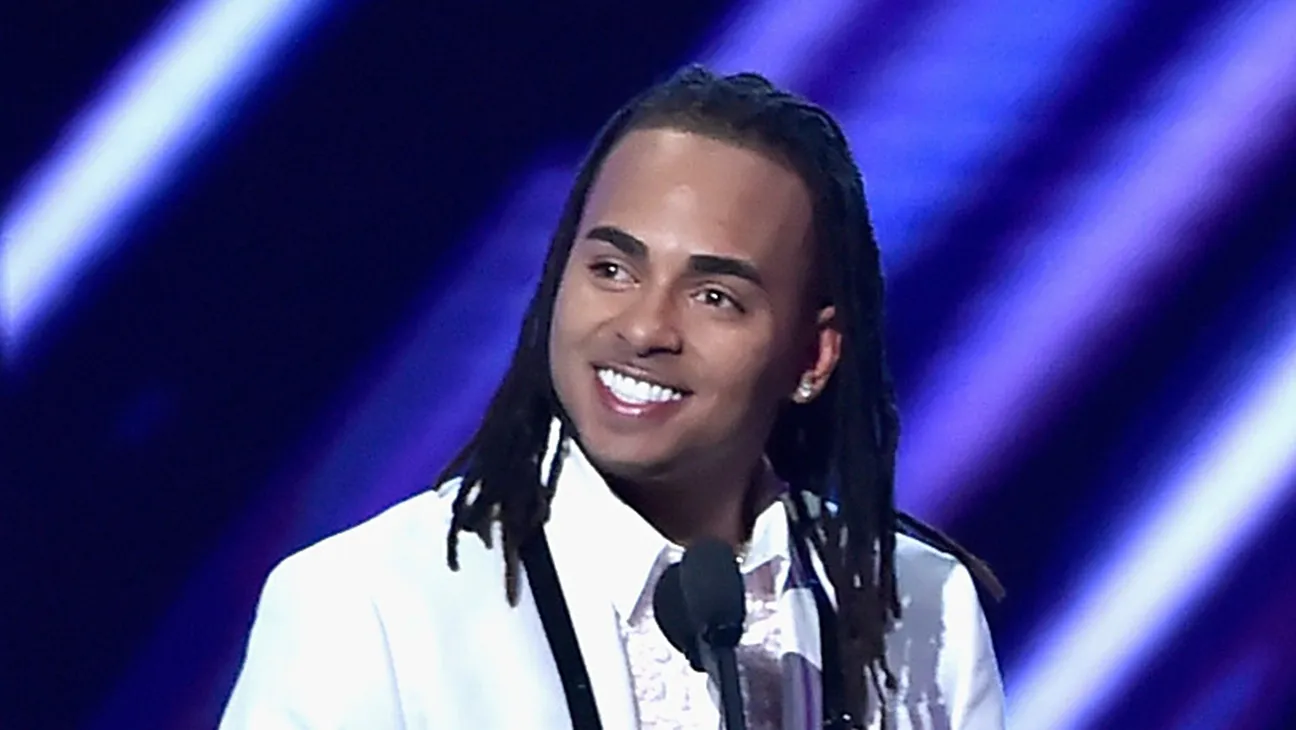
premiumtix.net – In the vibrant landscape of Latin music, few artists have risen to prominence as quickly and as definitively as Ozuna. Known for his smooth vocals, emotive lyrics, and unique sound, Ozuna has become a leading figure in the urban Latin music scene, blending reggaeton, trap, and Latin pop to create a sound that is both innovative and authentic. His journey from a small town in Puerto Rico to international stardom is a testament to his talent, hard work, and the universal appeal of his music.
The Rise of Ozuna
Born Juan Carlos Ozuna Rosado in San Juan, Puerto Rico, in 1992, Ozuna’s path to stardom was not an overnight success. He grew up in the town of Bayamón, where he was surrounded by the sounds of reggaeton and hip-hop, which would later influence his musical style. Ozuna’s early life was marked by challenges, including financial struggles and the loss of his father at a young age. Despite these obstacles, his love for music remained a constant, and he began writing his own songs as a teenager.
Ozuna’s big break came in 2014 when he collaborated with DJ Luian and Mambo Kingz on the track “Si No Te Quiisiera,” which quickly gained popularity and set the stage for his solo career. His debut album, “Odisea,” released in 2017, was a critical and commercial success, earning a Latin Grammy nomination and solidifying Ozuna’s status as a rising star in Latin music.
A Unique Sound and Voice
What sets Ozuna apart from other artists is his ability to blend different genres seamlessly, creating music that is both fresh and relatable. His voice, characterized by its warmth and emotional depth, has a unique texture that stands out in a crowded field. Ozuna’s lyrics often explore themes of love, heartbreak, and personal struggle, resonating with fans around the world.
One of Ozuna’s most notable contributions to the urban Latin music scene is his role in popularizing the “romantic reggaeton” subgenre. Songs like “Te Soñé de Nuevo” and “Amor Genuino” showcase his ability to infuse reggaeton with a softer, more romantic edge, appealing to a wide audience that appreciates both the genre’s rhythmic energy and its emotional depth.
Global Impact and Collaborations
Ozuna’s influence extends beyond the Latin music world, with collaborations that span genres and languages. He has worked with a diverse range of artists, including Cardi B, Selena Gomez, Post Malone, and J Balvin, among others. These collaborations have not only broadened his musical horizons but have also helped to introduce urban Latin music to a global audience.
One of his most successful collaborations was with DJ Snake, Selena Gomez, and Cardi B on the hit single “Taki Taki.” The song became an international sensation, topping charts around the world and showcasing Ozuna’s ability to thrive in a variety of musical contexts.
Philanthropy and Legacy
Beyond his musical accomplishments, Ozuna is also known for his philanthropic efforts. He has used his platform to raise awareness about issues affecting his community, including education and poverty. In 2019, he launched the Odisea Educational Foundation, which aims to provide scholarships and resources to young people in Puerto Rico.
As Ozuna continues to evolve as an artist, his legacy is already cemented as one of the most influential voices in urban Latin music. His ability to connect with fans on a personal level, combined with his musical innovation, ensures that he will remain a pivotal figure in the genre for years to come.
Conclusion
Ozuna’s journey from the streets of Bayamón to the global stage is a story of perseverance, talent, and the universal power of music. As the voice of urban Latin music, he has not only defined a generation but has also paved the way for future artists. With each new release, Ozuna continues to push the boundaries of what is possible, proving that his best work may still be ahead.