Art and Culture: Museums and Galleries in Los Angeles

premiumtix.net – Los Angeles, the City of Angels, is not just known for its stunning beaches and the glitz of Hollywood but also for its rich tapestry of art and culture. The city is home to a plethora of museums and galleries that showcase a diverse range of artistic expressions from ancient to contemporary times. Here, we explore some of the most iconic and must-visit art destinations in Los Angeles.

The Broad

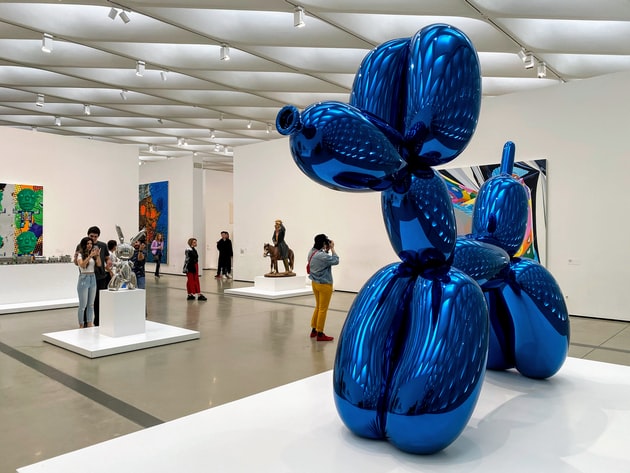
Located on South Grand Avenue, The Broad is an architectural marvel and a cultural gem. It houses an impressive collection of contemporary art, featuring works by artists like Jeff Koons, Cindy Sherman, and Jean-Michel Basquiat. The museum is renowned for its innovative exhibitions and its commitment to making art accessible to the public with free general admission.

Los Angeles County Museum of Art (LACMA)

As the largest art museum in the western United States, LACMA boasts a collection of over 147,000 objects that span the history of art from ancient times to the present. Its sprawling campus includes a mix of permanent collections and rotating exhibitions, offering something for every art lover. Notable pieces include works by Picasso, Diego Rivera, and Frida Kahlo.

The Getty Center

Perched atop a hill with breathtaking views of Los Angeles, The Getty Center is both a cultural and architectural landmark. It features European paintings, drawings, sculpture, and decorative arts, as well as American and European photographs. The center also offers beautifully manicured gardens and a research institute that contributes to art conservation and education.

Museum of Contemporary Art (MOCA)

MOCA is dedicated to collecting and exhibiting contemporary art. It has three locations across Los Angeles, each offering a unique experience. From avant-garde installations to thought-provoking exhibitions, MOCA is at the forefront of the contemporary art scene and a must-visit for those interested in modern artistic expressions.

Hammer Museum

Affiliated with UCLA, the Hammer Museum offers a dynamic range of exhibitions that highlight cutting-edge contemporary art and socially engaged projects. The museum is committed to free admission, making it an accessible space for all visitors.

Los Angeles’s Vibrant Gallery Scene

Beyond the major museums, Los Angeles is home to a vibrant gallery scene. Neighborhoods like Downtown LA, Culver City, and Santa Monica host a variety of galleries showcasing emerging artists and experimental works. These spaces often serve as incubators for new talent and provide intimate settings for experiencing art.

In conclusion, Los Angeles is a city where art and culture thrive, offering a rich and diverse array of museums and galleries that cater to all tastes. Whether you’re a seasoned art enthusiast or a casual visitor, the city’s cultural institutions provide a window into the world of art, history, and human creativity.
Street Art Superstars: The Global Icons of Graffiti

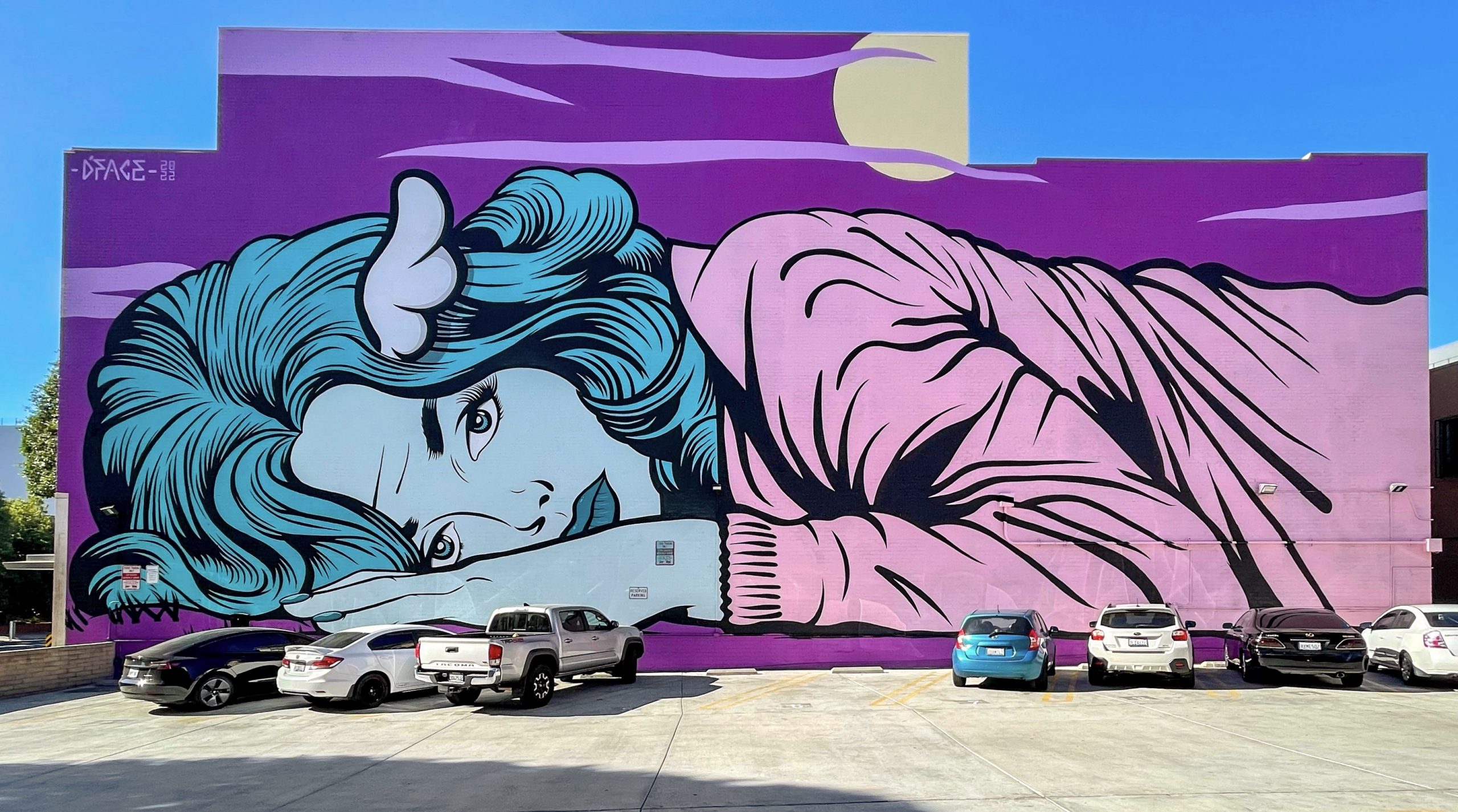
premiumtix.net – Graffiti, once considered a form of urban vandalism, has evolved into a respected art form that adorns walls, bridges, and public spaces worldwide. Street art superstars have emerged from the shadows of the night, transforming cities into open-air galleries and earning global recognition for their unique styles and powerful messages. These artists, with their cans of spray paint and indelible creativity, have become icons of contemporary culture, influencing everything from fashion to film. Let’s delve into the world of these global graffiti legends, whose works have not only beautified urban landscapes but also sparked conversations on art, society, and freedom of expression.

Banksy: The Enigma of Street Art

Perhaps the most famous of all, Banksy remains an anonymous figure, yet his impact on the art world is undeniable. Known for his satirical street art and subversive epigrams, Banksy’s work often engages with political and social themes. His identity may be a mystery, but his influence is not. From the streets of London to the walls of the West Bank, Banksy’s art challenges viewers to think critically about the world around them.

Shepard Fairey: The Power of Obey

Shepard Fairey, the founder of OBEY Clothing, is another titan of the street art movement. Famous for his “Hope” poster of Barack Obama, Fairey’s work is characterized by bold imagery and a focus on the themes of power and rebellion. His OBEY Giant campaign, which began as an experiment on the idea of subliminal advertising, has grown into a global brand, embodying the spirit of questioning the establishment.

Invader: The Pixelated Invader

Invader, with his distinctive mosaic tile art, has left his mark in over 65 cities around the world. Inspired by the 8-bit art of early arcade games, Invader’s work is a nostalgic nod to the past while being a vibrant presence in the present. His art is a playful invasion of public spaces, turning the urban landscape into a global game of Space Invaders.

JR: The Human Giant

JR, a French photographer and artist, is known for his large-scale pastings of photographs in public spaces, which he describes as “photographic interventions.” His work often focuses on the themes of identity and diversity, using the human face to challenge perceptions and foster empathy. JR’s most notable project, “Inside Out,” invites people from around the world to send in their portraits, which are then pasted in public spaces, aiming to create a global, collective identity.

Faile: The Art of Duality

Patrick McNeill and Patrick Miller, better known as Faile, have been creating art together since the late 1990s. Their work is a blend of traditional printmaking techniques and street art, characterized by intricate designs and a juxtaposition of beauty and decay. Faile’s murals and installations around the world explore themes of duality and transformation, making them standouts in the street art scene.

Conclusion

The global icons of graffiti and street art have transcended the boundaries of traditional art, using the streets as their canvas to express, provoke, and inspire. Their works are not just visual spectacles but also powerful statements on the state of our world. As these superstars continue to evolve and push the boundaries of their art, they remind us of the transformative power of creativity and the importance of public spaces as platforms for free expression. Their legacy is not just in the art they leave behind but in the conversations they spark and the movements they inspire.

Celebration of Art, Music, and Culture: Festival of Colors

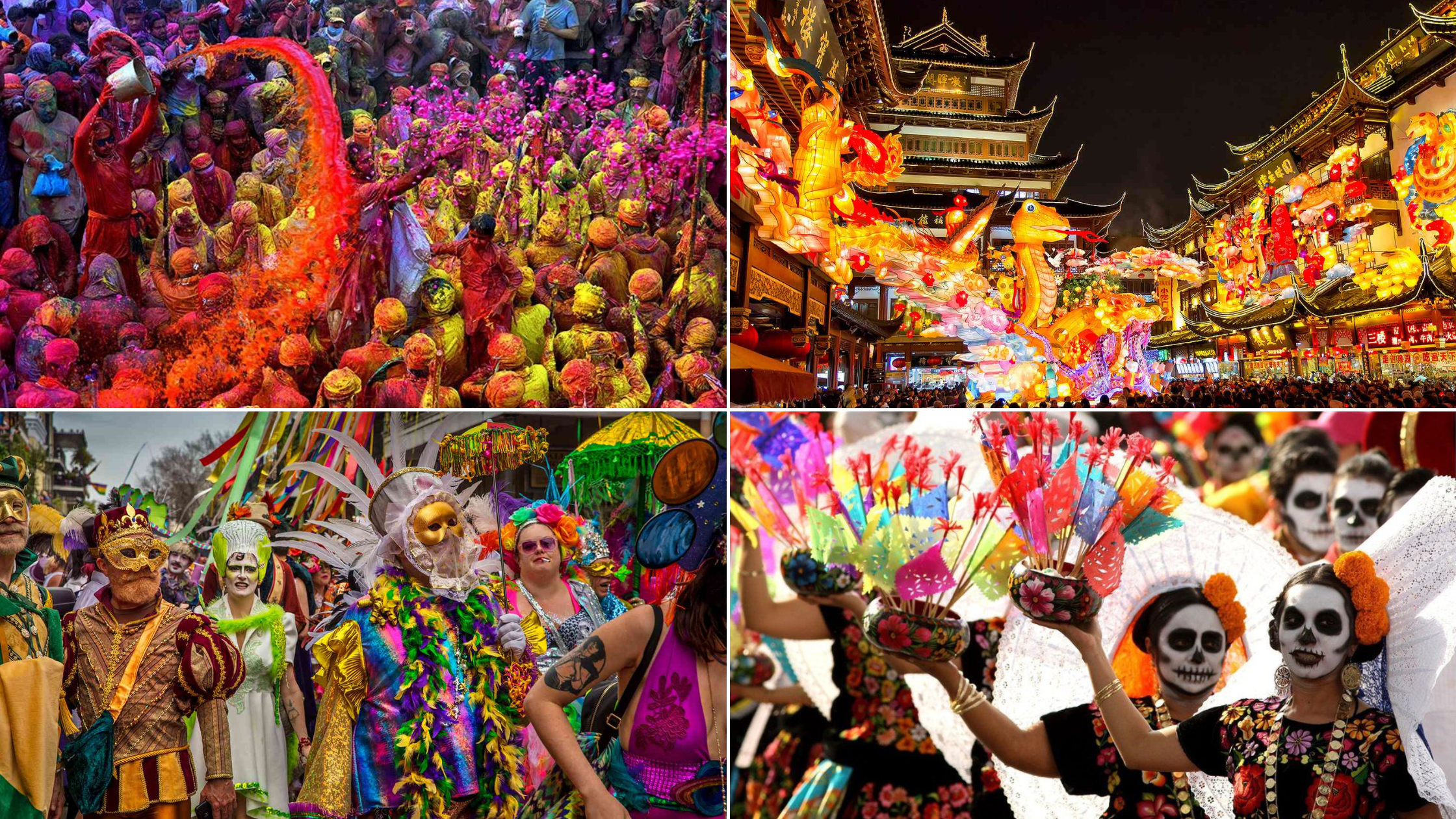
premiumtix.net – The Festival of Colors is a vibrant and exuberant celebration that transcends cultural boundaries, bringing together people from all walks of life to revel in the joy of art, music, and culture. Originating from the Hindu festival of Holi, which marks the arrival of spring and the triumph of good over evil, the Festival of Colors has evolved into a global phenomenon, embraced by communities around the world. It is a day when the usual constraints of society are cast aside, and people are encouraged to express themselves freely, immersing themselves in a kaleidoscope of colors and the rhythms of music.

At the heart of the Festival of Colors is the celebration of diversity and the unity it brings. It is a time when people come together, regardless of their background, to share in the universal language of art and music. The festival is a testament to the power of culture to bridge gaps and foster a sense of community and belonging.

The celebration typically begins with the throwing of colored powders and water, known as gulal and abir, which are considered safe and environmentally friendly. As the air fills with a rainbow of hues, participants are covered from head to toe in a vibrant palette, symbolizing the washing away of the past and the welcoming of new beginnings. The colors are not just a visual spectacle; they are a metaphor for the rich tapestry of life and the diverse experiences that shape our identities.

Music plays a pivotal role in the Festival of Colors, with live performances by DJs, bands, and traditional musicians setting the tone for the festivities. The beats and melodies are infectious, drawing people into a collective dance that knows no borders. The music is a blend of traditional and contemporary sounds, reflecting the festival’s ability to honor tradition while embracing modernity.

Art is another cornerstone of the Festival of Colors, with artists from various disciplines contributing to the event. From the colorful rangoli patterns that adorn the streets to the face painting and body art that adorn the revelers, the festival is a canvas for creativity. Art installations and performances add to the spectacle, inviting participants to engage with the art and become part of the living, breathing artwork that is the festival itself.

The Festival of Colors is not just a celebration of the senses; it is also an opportunity to reflect on the importance of cultural exchange and the role of art and music in fostering understanding and empathy. It challenges us to look beyond our differences and find common ground in the universal experiences that bind us.

As the day progresses, the festival often culminates in a communal feast, where traditional foods are shared among the participants. This act of breaking bread together is a powerful symbol of unity and friendship, reinforcing the bonds formed throughout the day.

The Festival of Colors is a reminder that, despite the complexities of the modern world, we are all connected by our shared humanity. It is a celebration that encourages us to live in the moment, to embrace the beauty of diversity, and to find joy in the simple acts of creation and connection. As the colors fade and the music quiets, the spirit of the festival lingers, a vivid reminder of the power of art, music, and culture to bring us together and enrich our lives.