
Auvergne-Rhône-Alpes: A Tapestry of Nature, Culture, & Innovation

premiumtix.net – Auvergne-Rhône-Alpes, a region in southeastern France, is a captivating blend of diverse landscapes, rich history, and cutting-edge innovation. From the majestic peaks of the Alps to the volcanic wonders of the Auvergne, the region offers a breathtaking array of natural beauty. Its vibrant cities, including Lyon, Grenoble, and Clermont-Ferrand, are hubs of culture, gastronomy, and industry.   

Natural Splendor

  • The Alps: The region boasts a significant portion of the French Alps, renowned for its world-class skiing and hiking opportunities. The Mont Blanc massif, the highest peak in Western Europe, dominates the skyline, attracting outdoor enthusiasts from around the globe. 
  • The Massif Central: This ancient volcanic region is characterized by rolling hills, deep valleys, and picturesque villages. The Puy de Dôme, a dormant volcano, offers panoramic views of the surrounding countryside.
  • Lakes and Rivers: The region is dotted with numerous lakes and rivers, providing opportunities for water sports, fishing, and simply relaxing by the water’s edge. Lake Annecy, with its crystal-clear waters, is a popular destination for swimming and boating.  

Cultural Heritage

  • Lyon: The capital of the region, Lyon is a UNESCO World Heritage City renowned for its historic architecture, gastronomy, and vibrant cultural scene. The old town, with its narrow streets and Renaissance buildings, is a delight to explore.  
  • Grenoble: Known as the “Capital of the Alps,” Grenoble is a city of innovation and outdoor adventure. It’s home to the University Grenoble Alpes, one of the leading research universities in France. 
  • Clermont-Ferrand: The heart of the Auvergne, Clermont-Ferrand is a city with a strong industrial heritage. It’s also a gateway to the volcanic landscapes of the region.

Gastronomic Delights

Auvergne-Rhône-Alpes is a foodie’s paradise, offering a diverse range of culinary experiences. Some of the region’s most famous dishes include:

  • Lyonnaise cuisine: Known for its hearty dishes, such as quenelles de brochet (pike dumplings) and saucisson Lyonnais (Lyon sausage).  
  • Savoie cuisine: Featuring cheese-based dishes, including fondue and tartiflette, as well as hearty stews.
  • Auvergne cuisine: Characterized by rustic dishes made with local ingredients, such as potée auvergnate (a hearty stew) and aligot (a mashed potato dish with cheese).

Innovation and Industry

Auvergne-Rhône-Alpes is a major industrial hub, with a strong focus on technology, biotechnology, and sustainable development. The region is home to numerous research institutions and multinational corporations.

A Year-Round Destination

Whether you’re seeking outdoor adventure, cultural immersion, or gastronomic delights, Auvergne-Rhône-Alpes has something to offer every visitor. The region’s diverse landscapes and rich history make it an ideal destination for a memorable vacation.
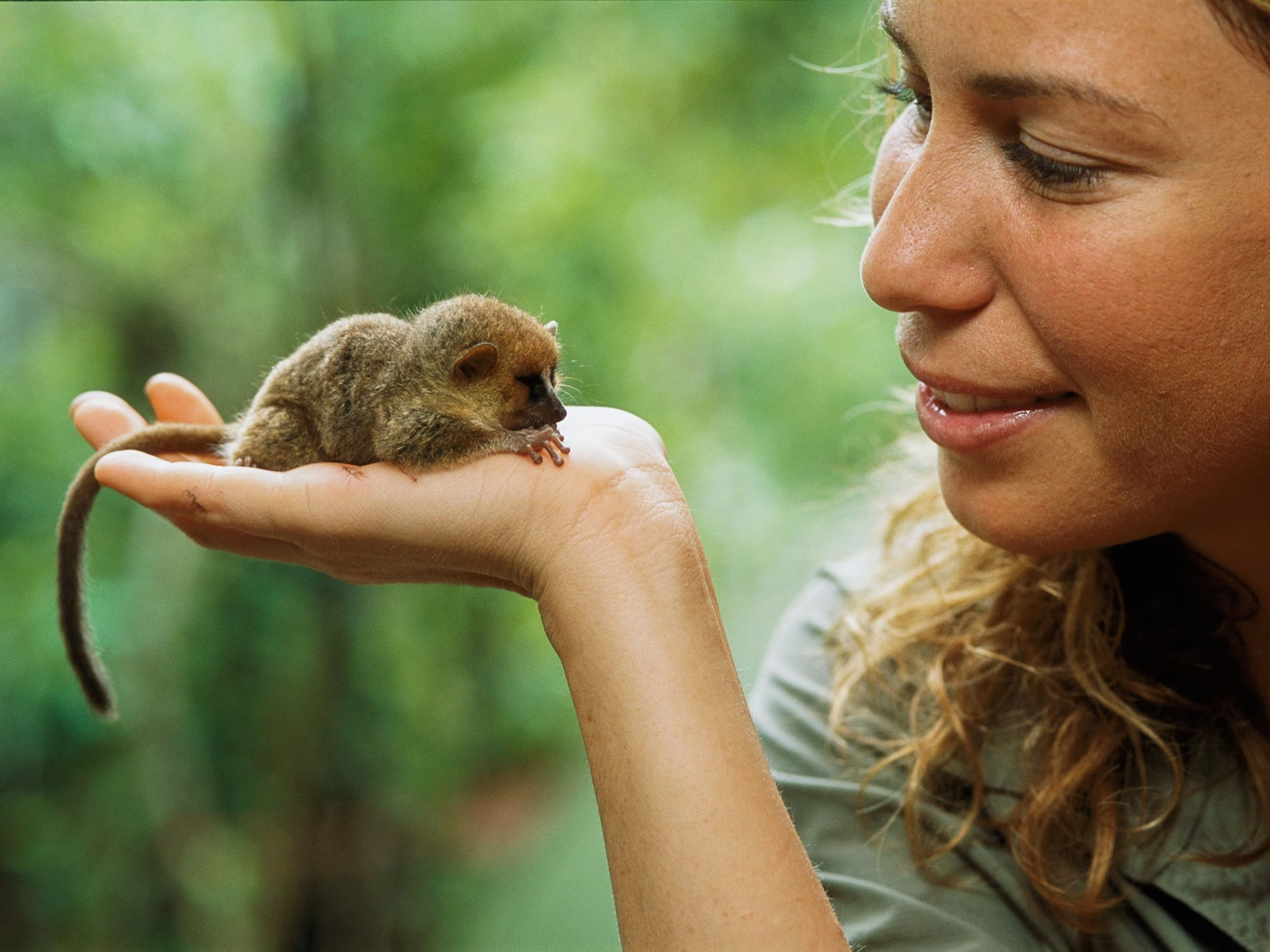
Nature’s Smallest Wonders: Incredible World of Pygmy Animals

premiumtix.net – In the vast tapestry of life on Earth, there exists a fascinating group of creatures that, despite their diminutive size, capture the imagination and awe of people around the globe. These are the pygmy animals, nature’s smallest wonders, which have evolved to be miniature versions of their larger relatives. From the pygmy hippo to the pygmy marmoset, these animals are not just smaller in size but often exhibit unique adaptations and behaviors that make them truly remarkable.

The Pygmy Phenomenon: A Glimpse into Evolution

The term “pygmy” in the context of animals refers to species that are significantly smaller than their closest relatives. This phenomenon is not just a matter of size but a result of complex evolutionary processes. Pygmy animals have often evolved in isolated environments, such as islands or dense forests, where limited resources and different ecological pressures have driven their miniaturization. This process, known as insular dwarfism, is a fascinating aspect of evolutionary biology and highlights the incredible diversity of life on our planet.

Pygmy Hippo: The Miniature Marvel of the Forest

One of the most captivating pygmy animals is the pygmy hippopotamus, a species found in the forests of West Africa. Despite its name, the pygmy hippo is not a small version of the common hippopotamus but a distinct species that has evolved to be smaller, with a more slender build and shorter legs. These fascinating creatures are primarily nocturnal, spending their days in dense vegetation and emerging at night to feed on a variety of plants. The pygmy hippo’s small size and unique adaptations make it perfectly suited to life in the dense forest, showcasing the intricate dance between evolution and environment.

Pygmy Marmoset: The World’s Smallest Monkey

In the rainforests of South America, another pygmy wonder awaits: the pygmy marmoset. Weighing in at just 140 grams, this tiny primate is the world’s smallest monkey. The pygmy marmoset’s small size is an adaptation to its arboreal lifestyle, allowing it to navigate the dense canopy with ease. These tiny primates live in family groups and have a diet that includes tree sap, insects, and small fruits. The pygmy marmoset’s existence highlights the incredible diversity of life in the Amazon rainforest and the remarkable ways in which animals adapt to their surroundings.

The Conservation Challenge: Protecting Nature’s Smallest Wonders

While pygmy animals are fascinating, they also face significant threats. Habitat loss, climate change, and human encroachment are pushing many pygmy species to the brink of extinction. Conservation efforts are crucial to protecting these tiny creatures and the unique ecosystems they inhabit. From establishing protected areas to implementing sustainable development practices, there are many ways to ensure that pygmy animals continue to thrive in the wild.

Conclusion: Celebrating the Diversity of Life

The world of pygmy animals is a testament to the incredible diversity of life on Earth. These tiny creatures remind us of the beauty and complexity of the natural world and the importance of protecting it. By celebrating and conserving pygmy animals, we not only preserve these fascinating species but also the rich tapestry of life that makes our planet so unique. As we continue to explore and learn about these miniature marvels, we gain a deeper appreciation for the incredible world of pygmy animals: nature’s smallest wonders.