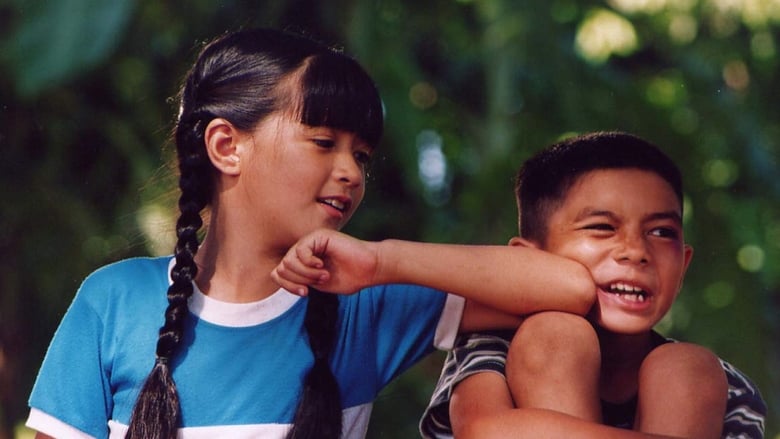
My Girl (2003): A Nostalgic Journey Through Childhood

premiumtix.net – “My Girl” (Thai: แฟนฉัน), released in 2003, is a Thai film directed by a team of six directors: Vitcha Gojiew, Songyos Sugmakanan, Nithiwat Tharathorn, Komgrit Triwimol, Vithaya Thongyuyong, and Adisorn Tresirikasem. Known locally as “Fan Chan,” this film captures the essence of childhood and the poignant transition into adolescence, resonating with audiences through its heartfelt storytelling and vivid depiction of youthful innocence.

Plot Overview

The film revolves around Jeab, a young boy living in a small town in Thailand, and his best friend, Noi-Naa. The narrative unfolds through Jeab’s memories as he receives news of Noi-Naa’s wedding. Set in the 1980s, the film beautifully captures their adventures, the innocence of first love, and the challenges they face as they grow up. The story reflects on the bittersweet nature of growing apart and the enduring impact of childhood friendships.

Themes and Characters

“My Girl” is a nostalgic exploration of childhood, focusing on themes such as friendship, first love, and the transition from innocence to experience. Jeab and Noi-Naa’s relationship highlights the simplicity and purity of childhood connections. The film also touches on themes of family and community, portraying the support and warmth of a small town that shapes the characters’ lives.

Cinematic Style

The film is distinguished by its authentic portrayal of rural Thai life in the 1980s, using vibrant cinematography and a nostalgic soundtrack that enhances the emotional depth of the story. The directors employ a slice-of-life approach, immersing viewers in the daily experiences and adventures of the young protagonists.

Impact and Legacy

“My Girl” was a major success in Thailand, becoming one of the highest-grossing films of its time and winning multiple awards. Its universal themes and charming narrative have made it a beloved classic, appealing to audiences of all ages. The film’s success also marked a turning point in Thai cinema, showcasing the potential of local storytelling on a global stage.

Conclusion

“My Girl” is a touching tribute to the innocence and wonder of childhood. Its timeless story of friendship and growing up continues to resonate with audiences, offering a warm, nostalgic experience that celebrates the joys and challenges of youth. For anyone seeking a heartfelt film that captures the essence of childhood, “My Girl” is a delightful and enduring choice.

Childhood Fears and Fantasies: Monsters in the Closet

premiumtix.net – Every child, at some point, has peered into the dark abyss of their closet, convinced that something sinister lurks within. This universal experience is more than a simple childhood fear; it is a profound exploration of the unknown, a manifestation of the imagination, and a rite of passage into the realm of emotional and psychological development. The monsters in the closet symbolize a complex interplay between fear, fantasy, and the growing mind of a child.

The Psychology of Childhood Fears

Childhood fears are a natural part of development. They arise from a child’s limited understanding of the world and their inability to distinguish between reality and fantasy. The fear of monsters, in particular, can be traced back to a child’s exposure to stories, movies, and even well-meaning adults who use such creatures as a means of discipline or entertainment. The closet, with its dark and confined space, becomes the perfect setting for these fears to manifest, offering a tangible location for the child’s imagination to run wild.

The Role of Imagination

The imagination of a child is a powerful tool, capable of creating both wonder and terror. In the case of monsters in the closet, the imagination transforms ordinary objects—a coat hanger, a pile of clothes—into menacing figures. This imaginative leap is not just a source of fear but also a sign of cognitive growth. It indicates that the child is developing the ability to think abstractly and to understand that things are not always as they seem.

Coping Mechanisms and Empowerment

Facing the fear of monsters in the closet can be a child’s first lesson in coping with anxiety and stress. Many children develop their own rituals to ward off these imaginary creatures, such as leaving a nightlight on, checking the closet before bed, or sleeping with a comfort object. These coping mechanisms not only provide immediate relief but also teach children valuable skills in managing their emotions and fears.

Moreover, the act of confronting the monster in the closet, whether through a brave peek or a thorough search, can be empowering. It symbolizes a child’s growing sense of autonomy and their ability to take control of their fears. This empowerment is crucial for the development of resilience and self-confidence.

The Evolution of Fears

As children grow, their fears evolve. The monsters in the closet may give way to more complex anxieties about the world at large. However, the lessons learned from these early fears remain. The ability to face and overcome fear, to use the imagination constructively, and to develop coping strategies are all skills that continue to serve individuals throughout their lives.

Conclusion

The monsters in the closet represent more than just a childhood fear; they are a symbol of the complexities of growing up. They embody the tension between fear and fantasy, the power of the imagination, and the journey toward emotional and psychological maturity. By understanding and addressing these fears, we can help children navigate the challenges of development and emerge with a stronger sense of self and resilience. In this way, the monsters in the closet become not just a source of terror, but a catalyst for growth and empowerment.