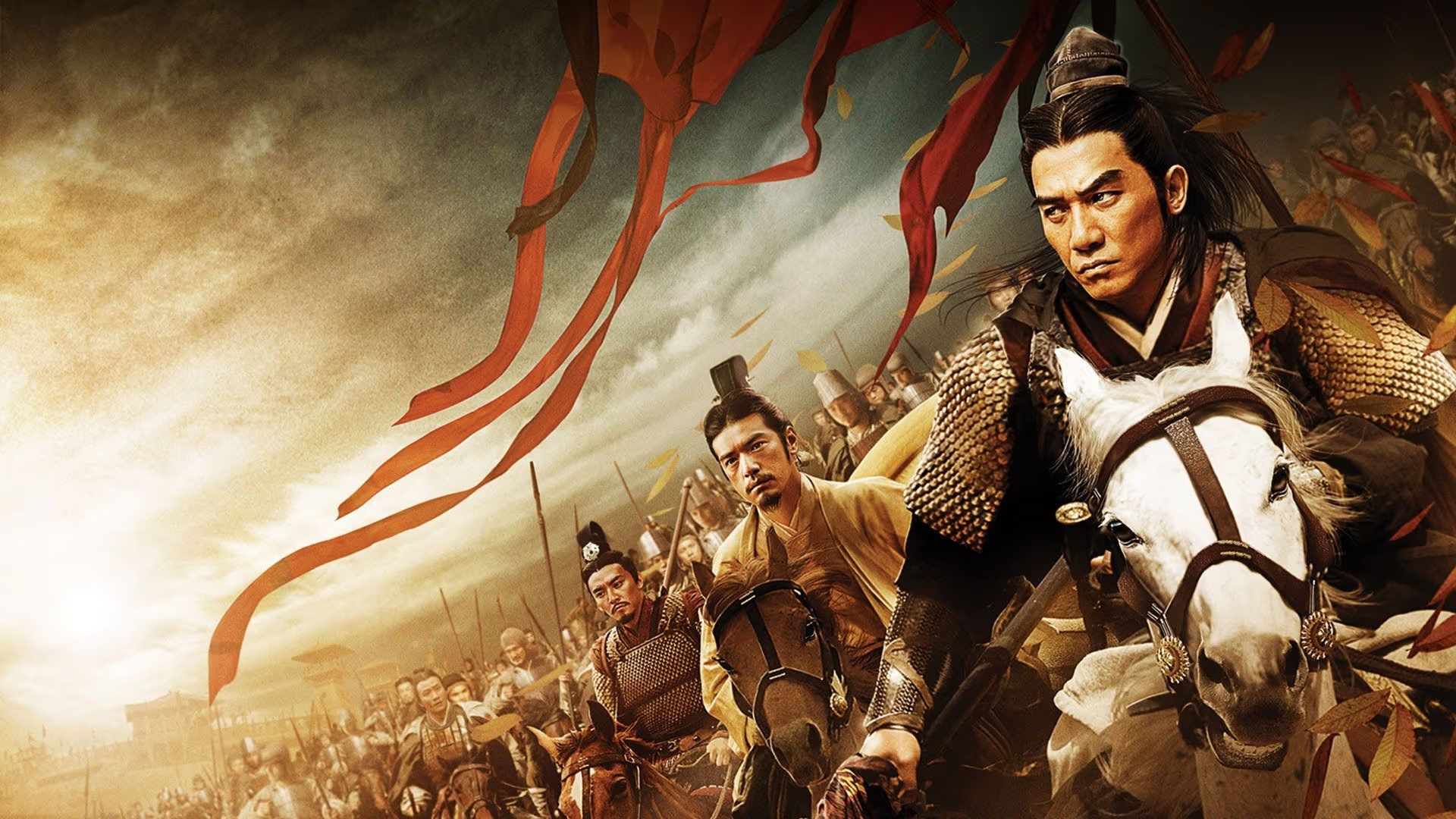
Red Cliff (2008): A Cinematic Epic of Historical Proportions

premiumtix.net – “Red Cliff,” directed by John Woo, is a 2008 film that brings to life the legendary Battle of Red Cliffs, a pivotal event in Chinese history. This cinematic epic is a remarkable representation of strategy, heroism, and the clash of titans during the late Han Dynasty.

Historical Context

The film is based on the historical Battle of Red Cliffs, which took place in the winter of AD 208-209. This battle was a decisive conflict between the warlords Cao Cao, who sought to unify China under his rule, and the allied forces of Sun Quan and Liu Bei. The battle was fought along the Yangtze River and is considered one of the largest naval battles in history.

Plot Overview

“Red Cliff” splits into two parts, offering a comprehensive yet dramatized portrayal of the events leading to the battle and the strategies employed by both sides. The film introduces us to several iconic characters, including the brilliant strategist Zhuge Liang and the charismatic general Zhou Yu. It showcases their cunning tactics, such as the famous use of fire ships, which ultimately lead to Cao Cao’s defeat.

Cinematic Excellence

John Woo’s direction shines through in the film’s grand scale and detailed battle sequences. The cinematography captures the epic landscapes and the intensity of warfare, while the performances by a star-studded cast, including Tony Leung and Takeshi Kaneshiro, add depth and charisma to the historical figures.

Cultural Impact

“Red Cliff” is not only a visual spectacle but also serves as an exploration of themes such as loyalty, honor, and the complexities of war. It resonated with audiences worldwide, bringing a piece of Chinese history to the global stage and showcasing the rich tapestry of the Three Kingdoms period.

Conclusion

“Red Cliff” stands as a testament to John Woo’s prowess in crafting large-scale action films while staying true to historical narratives. It is a must-watch for history enthusiasts and cinephiles alike, offering a thrilling and immersive experience into one of China’s most famous battles.

This article provides a glimpse into the film’s essence, balancing historical accuracy with cinematic flair, making “Red Cliff” a landmark in both Chinese cinema and historical storytelling.

Osasco City: A Vibrant Hub in São Paulo

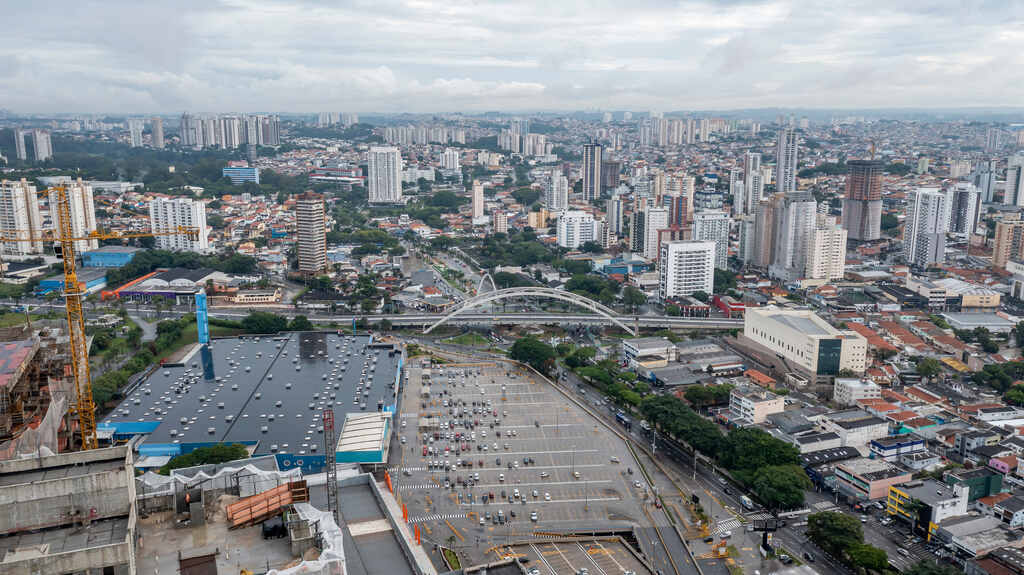
premiumtix.net – Osasco City, located in the metropolitan region of São Paulo, Brazil, is a bustling urban center known for its economic vitality and cultural diversity. With its strategic location and dynamic economy, Osasco has become an integral part of the Greater São Paulo area.

Historical Background

Early Settlement

Osasco’s history dates back to the late 19th century when it was first settled by Italian immigrants. The city’s name is derived from Osasco, a town in Italy, reflecting its founders’ heritage.

Urban Development

The city experienced significant growth in the mid-20th century, transforming from a small industrial town into a major urban center. This development was fueled by its proximity to São Paulo and the establishment of various manufacturing industries.

Economic Landscape

Industrial Growth

Osasco is a key player in Brazil’s industrial sector, with numerous factories and businesses contributing to its robust economy. The city’s industrial park hosts companies in diverse sectors, including metallurgy, electronics, and food processing.

Commercial Hub

In addition to its industrial prowess, Osasco is known for its vibrant commercial scene. The city boasts several shopping centers, commercial districts, and a bustling marketplace, making it a retail magnet in the region.

Cultural and Social Scene

Festivals and Events

Osasco hosts a variety of cultural festivals and events throughout the year, celebrating its rich cultural diversity. These events showcase music, dance, and culinary traditions, attracting visitors from across the region.

Education and Innovation

The city is home to numerous educational institutions, ranging from primary schools to universities. Osasco’s focus on education and innovation has fostered a skilled workforce, promoting continued economic growth.

Challenges and Opportunities

Urban Challenges

Like many urban centers, Osasco faces challenges such as traffic congestion, pollution, and housing shortages. The city government is actively working on solutions to improve infrastructure and quality of life for its residents.

Future Prospects

Despite these challenges, Osasco’s strategic location and economic potential present significant opportunities for future growth and development. Continued investment in infrastructure and technology is expected to drive the city’s progress forward.

Conclusion

Osasco City stands as a vibrant and dynamic urban center in Brazil, characterized by its rich history, economic vitality, and cultural diversity. As it continues to evolve, Osasco remains a key player in the Greater São Paulo region, offering a unique blend of opportunities and challenges for its residents and businesses.

A Historical Overview: The Korean Peninsula

premiumtix.net – The Korean Peninsula, a landmass extending from the Asian continent into the Pacific Ocean, has been the cradle of a rich and complex history that spans thousands of years. This article provides an overview of the historical developments on the Korean Peninsula, from its prehistoric times to the modern era.

Prehistoric Korea

The Korean Peninsula’s history begins in prehistoric times, with evidence of human habitation dating back to the Paleolithic era. The region’s first inhabitants were hunter-gatherers, but by the Neolithic period, they had begun to practice agriculture and pottery-making. The Bronze Age brought advancements in metalworking, and by the Iron Age, the peninsula was home to several proto-states, including Gojoseon, which is considered the first Korean kingdom.

The Three Kingdoms Period

The history of Korea is marked by the Three Kingdoms period, which lasted from the 1st century CE to the 7th century. This era was characterized by the rivalry among the kingdoms of Goguryeo, Baekje, and Silla. Goguryeo, located in the north, was a powerful state that controlled parts of Manchuria and the Russian Far East. Baekje was situated in the southwest, known for its cultural achievements and maritime trade. Silla, in the southeast, was initially the smallest of the three but eventually emerged as the dominant power with the help of the Chinese Tang Dynasty.

Unified Silla and the Goryeo Dynasty

In 668, Silla, with the assistance of the Tang Dynasty, succeeded in unifying the peninsula under its rule, establishing the Unified Silla period. This era was marked by significant cultural and technological advancements, including the adoption of Buddhism as the state religion and the creation of the world’s first metal movable type printing.

The Goryeo Dynasty (918-1392) followed Unified Silla, from which the name “Korea” is derived. Goryeo was known for its achievements in the arts, particularly in the production of celadon pottery and the development of a unique style of Buddhist art. The dynasty also saw the invention of the Korean alphabet, Hangul, in the 15th century, although it was not widely used until much later.

The Joseon Dynasty and Japanese Occupation

The Joseon Dynasty (1392-1910) was the last dynasty of Korea, established by General Yi Seong-gye, who overthrew the Goryeo Dynasty. Joseon was a period of significant stability and prosperity, with the establishment of a strong Confucian bureaucracy and the promotion of neo-Confucianism as the state ideology. However, the dynasty also faced invasions by Japan and Manchu tribes, which weakened the state and set the stage for foreign domination.

In 1910, Korea was annexed by Japan, beginning a period of harsh colonial rule that lasted until the end of World War II. The Japanese occupation was marked by exploitation, forced labor, and attempts to suppress Korean culture and language.

The Division of Korea and the Korean War

After World War II, Korea was liberated from Japanese rule but was soon divided along the 38th parallel into two occupation zones: the Soviet Union occupied the north, and the United States occupied the south. This division eventually led to the establishment of two separate governments: the Democratic People’s Republic of Korea (North Korea) in the north and the Republic of Korea (South Korea) in the south.

The division culminated in the Korean War (1950-1953), which began when North Korea invaded South Korea. The conflict drew in the United Nations, led by the United States, to support South Korea, while China and the Soviet Union supported North Korea. The war ended with an armistice, leaving the peninsula divided along the Military Demarcation Line near the original 38th parallel, and the two Koreas remain technically at war to this day.

Modern Korea

In the decades following the Korean War, both Koreas have developed distinct political systems and economies. South Korea has emerged as a major economic power, with a strong focus on technology and manufacturing, while North Korea has pursued a policy of self-reliance, known as Juche, and has developed a reputation as a reclusive state with a significant military presence.

The Korean Peninsula remains a focal point of international relations, with ongoing discussions about reunification, denuclearization, and peace on the peninsula. Despite the challenges, the shared history and culture of the Korean people continue to be a source of pride and identity.

In conclusion, the Korean Peninsula’s history is a testament to the resilience and adaptability of its people, who have navigated through millennia of change, conflict, and cooperation. The peninsula’s strategic location and rich cultural heritage have shaped its past and continue to influence its future.
A Historical Overview: The Rise and Fall of Empires

premiumtix.net – Throughout history, empires have risen to prominence, shaped the course of human civilization, and then, inevitably, faced decline. The cycle of rise and fall is a recurring theme in the annals of history, with each empire leaving its unique mark before fading into the past. This article provides an overview of the historical patterns that have characterized the rise and fall of empires, exploring the factors that contribute to their growth and the challenges that lead to their decline.

The Rise of Empires

Empires often begin as small, centralized states that gradually expand through conquest, trade, or cultural influence. The rise of an empire is typically driven by a combination of military prowess, strategic leadership, economic prosperity, and cultural cohesion. For example, the Roman Empire’s expansion was fueled by its disciplined legions, effective governance, and the construction of roads and infrastructure that facilitated trade and communication.

Economic factors also play a crucial role in the rise of empires. The ability to generate wealth through trade, agriculture, and taxation allows for the support of a large military and the development of public works. The Mongol Empire, for instance, benefited from the establishment of the Silk Road, which facilitated trade across Eurasia and contributed to the empire’s wealth and stability.

Cultural and ideological cohesion can also be a powerful force in the rise of empires. The spread of a common language, religion, or set of values can unite diverse populations under a single banner. The British Empire, for example, was underpinned by the spread of the English language and the principles of Protestantism and liberalism.

The Fall of Empires

Just as there are factors that contribute to the rise of empires, there are also common causes of their decline. Overextension is a frequent issue, where empires stretch their military and administrative capabilities too thinly across vast territories. The Achaemenid Empire, for instance, faced challenges in governing its extensive lands, which eventually led to its downfall.

Economic strain can also lead to the decline of empires. The cost of maintaining a large military, engaging in constant warfare, and supporting an extensive bureaucracy can deplete an empire’s resources. The Spanish Empire faced economic difficulties due to the high costs of its military campaigns and the administration of its colonies.

Internal strife and corruption can erode the foundations of an empire from within. As central authority weakens, provinces may seek independence, and social unrest can lead to civil war. The decline of the Han Dynasty in China was exacerbated by internal rebellions and the rise of warlords.

External pressures, such as invasions by rival powers or the rise of new, more dynamic civilizations, can also contribute to an empire’s fall. The Western Roman Empire, for example, was beset by invasions from various Germanic tribes and the Huns, which ultimately led to its collapse.

The Legacy of Empires

Even as empires fall, they leave behind a lasting legacy. They often bequeath to the world architectural wonders, legal systems, languages, religions, and cultural traditions that continue to influence societies long after the empire has ceased to exist. The ruins of the Greek and Roman empires, the spread of Islam by the Umayyad and Abbasid caliphates, and the global influence of the British Empire’s language and legal systems are testament to this enduring impact.

Conclusion

The rise and fall of empires is a complex process influenced by a multitude of factors. While empires may come and go, their legacies continue to shape the world in profound ways. Understanding the historical patterns of imperial rise and fall can provide valuable insights into the dynamics of power, governance, and societal change, offering lessons that are as relevant today as they were in the ancient past.