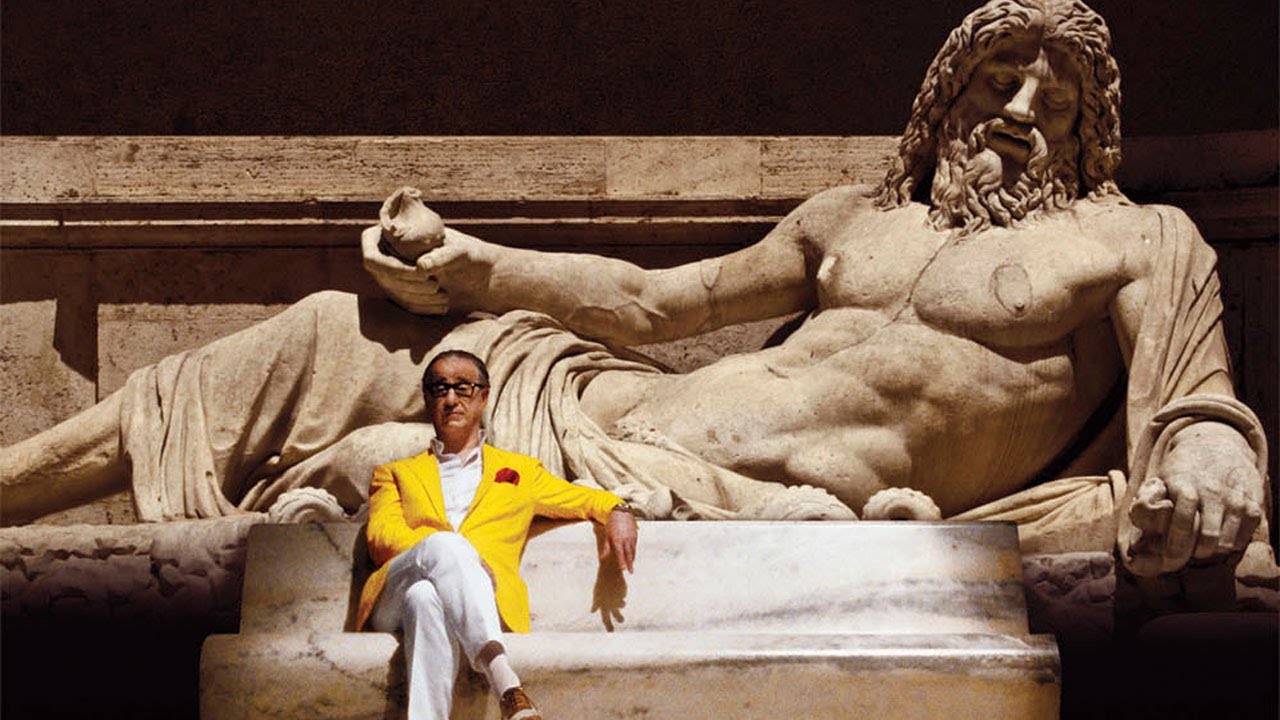
The Great Beauty: A Cinematic Masterpiece by Paolo Sorrentino

premiumtix.net – “The Great Beauty” (La grande bellezza), directed by Paolo Sorrentino, is a visually stunning film that captivates audiences with its rich imagery and profound storytelling. Released in 2013, this Italian cinematic masterpiece delves into the life of Jep Gambardella, an aging writer and socialite, as he reflects on his past amidst the vibrant and decaying beauty of Rome.

A Journey Through Rome

The film takes viewers on a mesmerizing journey through the streets of Rome, capturing its grandeur and decadence in equal measure. Sorrentino’s direction, coupled with Luca Bigazzi’s cinematography, transforms the city into a character of its own, showcasing its historical landmarks, elegant parties, and hidden corners. The lush visuals serve as a backdrop to Jep’s introspective journey, highlighting the ephemeral nature of beauty and the passage of time.

Jep Gambardella: A Complex Protagonist

Jep Gambardella, portrayed masterfully by Toni Servillo, is at the heart of “The Great Beauty.” As a successful journalist and socialite, Jep is entrenched in the high-society circles of Rome, yet he remains profoundly disillusioned. The film explores his existential crisis as he grapples with the superficiality of his life and the haunting memories of his lost youth and love. Jep’s reflections are both poignant and humorous, offering a unique glimpse into the human condition.

Themes of Beauty and Decadence

“The Great Beauty” is a meditation on the interplay between beauty and decadence. Sorrentino weaves these themes throughout the film, juxtaposing the opulence of Rome’s elite with the city’s decaying ruins. This contrast serves as a metaphor for Jep’s own life, as he confronts the hollow beauty of his surroundings and searches for deeper meaning. The film invites viewers to ponder the nature of beauty and the fleeting moments that define our existence.

A Tribute to Fellini

Sorrentino’s work is often compared to that of Federico Fellini, and “The Great Beauty” is no exception. The film echoes Fellini’s “La Dolce Vita” in its exploration of Rome’s nightlife and the existential reflections of its protagonist. However, Sorrentino infuses his own distinct style, blending surrealism with a modern sensibility, to create a film that stands on its own as a cinematic tour de force.

Conclusion

“The Great Beauty” is a film that resonates on multiple levels, offering a visual feast and a profound exploration of life, art, and the passage of time. Paolo Sorrentino’s direction, combined with Toni Servillo’s compelling performance, creates a masterpiece that leaves a lasting impression. Through its stunning imagery and introspective narrative, the film invites viewers to reflect on their own lives and the search for true beauty amidst the chaos of the modern world.
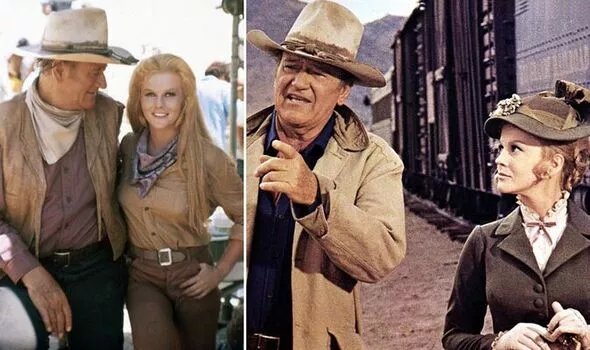
A Review of “The Train Robbers” (1973)

premiumtix.net – “The Train Robbers,” released in 1973, is a Western film directed by Burt Kennedy. Starring John Wayne, Ann-Margret, and Rod Taylor, the film blends action, suspense, and humor in its portrayal of a group of individuals on a quest for hidden gold. The movie is a classic example of the Western genre, featuring themes of redemption, adventure, and camaraderie.

Plot Summary

The story revolves around Lane, played by John Wayne, who is hired by a widow named Mrs. Lowe, portrayed by Ann-Margret, to retrieve a stash of gold stolen by her late husband. The gold is hidden in Mexico, and Mrs. Lowe hopes to return it to the authorities to clear her husband’s name. Lane assembles a team of men to accompany them on the dangerous mission, including Jesse (Ben Johnson) and Calhoun (Rod Taylor). As they venture into the rugged terrain, they face challenges from bandits and rival gold seekers, leading to a tense and thrilling journey.

Themes and Character Development

“The Train Robbers” explores themes of honor, redemption, and the pursuit of justice. Lane’s character embodies the classic Western hero, guided by principles of integrity and fairness. The film highlights the importance of trust and teamwork as the group navigates the perils of their mission.

Mrs. Lowe’s character adds depth to the narrative, as her motivations are driven by a desire for personal redemption and closure. Her partnership with Lane and his men underscores the film’s emphasis on loyalty and moral righteousness.

Cinematic Style and Direction

Burt Kennedy’s direction captures the expansive landscapes typical of Westerns, using the setting to enhance the film’s adventurous tone. The cinematography highlights the American Southwest’s vast and rugged beauty, creating an immersive backdrop for the story. Kennedy balances action sequences with moments of humor and camaraderie, maintaining audience engagement throughout the film.

Performances and Legacy

John Wayne delivers a solid performance as Lane, bringing his signature charisma and stoic presence to the role. Ann-Margret complements Wayne’s performance with her portrayal of a determined and resilient widow. The supporting cast, including Rod Taylor and Ben Johnson, contribute to the film’s dynamic ensemble.

While “The Train Robbers” may not be as iconic as some of Wayne’s other films, it remains a respected entry in his filmography. The movie’s blend of action, humor, and moral themes continues to appeal to fans of the Western genre.

Conclusion

“The Train Robbers” is a classic Western that offers a mix of adventure, humor, and moral storytelling. With strong performances from its lead actors and a compelling narrative, the film provides an engaging viewing experience for fans of John Wayne and the Western genre. Its exploration of honor and redemption, set against the backdrop of the American frontier, ensures its place as a memorable and enduring film.

Red Cliff (2008): A Cinematic Epic of Historical Proportions

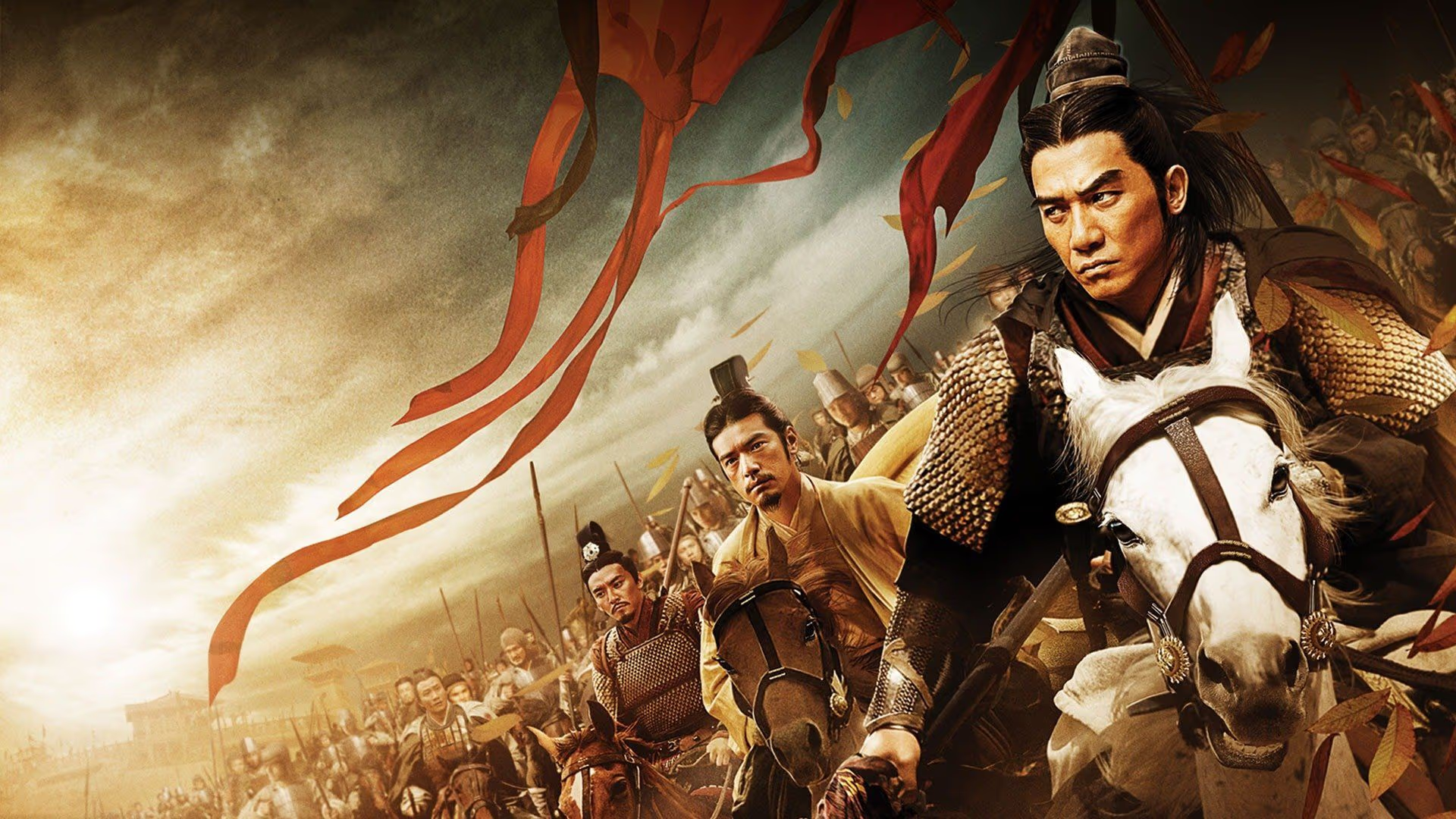
premiumtix.net – “Red Cliff,” directed by John Woo, is a 2008 film that brings to life the legendary Battle of Red Cliffs, a pivotal event in Chinese history. This cinematic epic is a remarkable representation of strategy, heroism, and the clash of titans during the late Han Dynasty.

Historical Context

The film is based on the historical Battle of Red Cliffs, which took place in the winter of AD 208-209. This battle was a decisive conflict between the warlords Cao Cao, who sought to unify China under his rule, and the allied forces of Sun Quan and Liu Bei. The battle was fought along the Yangtze River and is considered one of the largest naval battles in history.

Plot Overview

“Red Cliff” splits into two parts, offering a comprehensive yet dramatized portrayal of the events leading to the battle and the strategies employed by both sides. The film introduces us to several iconic characters, including the brilliant strategist Zhuge Liang and the charismatic general Zhou Yu. It showcases their cunning tactics, such as the famous use of fire ships, which ultimately lead to Cao Cao’s defeat.

Cinematic Excellence

John Woo’s direction shines through in the film’s grand scale and detailed battle sequences. The cinematography captures the epic landscapes and the intensity of warfare, while the performances by a star-studded cast, including Tony Leung and Takeshi Kaneshiro, add depth and charisma to the historical figures.

Cultural Impact

“Red Cliff” is not only a visual spectacle but also serves as an exploration of themes such as loyalty, honor, and the complexities of war. It resonated with audiences worldwide, bringing a piece of Chinese history to the global stage and showcasing the rich tapestry of the Three Kingdoms period.

Conclusion

“Red Cliff” stands as a testament to John Woo’s prowess in crafting large-scale action films while staying true to historical narratives. It is a must-watch for history enthusiasts and cinephiles alike, offering a thrilling and immersive experience into one of China’s most famous battles.

This article provides a glimpse into the film’s essence, balancing historical accuracy with cinematic flair, making “Red Cliff” a landmark in both Chinese cinema and historical storytelling.