
Future of Montenegro: Navigating Challenges & Opportunities

premiumtix.net – Montenegro stands at a pivotal juncture, facing both significant challenges and promising opportunities that will shape its future trajectory. The country’s path towards European Union (EU) integration, economic stability, and social cohesion is fraught with obstacles but also brimming with potential. This article explores the current state of Montenegro, highlighting the key challenges and opportunities that lie ahead.

Internal Challenges and Instability

Montenegro’s political landscape has been marked by instability and internal challenges. The country has experienced frequent changes in government and a lack of consensus on crucial reforms. The Democratic Party of Socialists (DPS), which has dominated the political scene, has faced successive votes of no confidence, leading to political turmoil and hindering progress on necessary reforms.

The dysfunctional Constitutional Court, which lost its quorum for decision-making in 2022, has exacerbated political instability. This has led to frequent violations of the constitution by political actors, undermining the rule of law and trust in the political system.

Economic and Societal Challenges

Economically, Montenegro has shown signs of recovery from the COVID-19 pandemic, with a rebound in GDP growth. However, the country faces significant fiscal challenges, including a high level of public debt and a weakening fiscal position. The 2024 budget envisions a weakening in the fiscal position, primarily due to increases in social security transfers and the waning of one-off effects.

The “Europe Now” reform program, aimed at boosting the economy, has had mixed results. While it has led to improvements in certain macroeconomic indicators, it has also been criticized for its populist nature and associated inflationary risks.

Opportunities for Growth

Despite these challenges, Montenegro has several opportunities for growth and development. The country’s strategic location and natural beauty make it a potential hub for tourism and digital transformation. The government has recognized the importance of digitalization and is working on initiatives to improve the education system and enhance digital infrastructure.

Montenegro’s alignment with the EU’s foreign policy, particularly in response to the Russian invasion of Ukraine, has strengthened its position in the international community. This alignment could open doors for increased cooperation and support from the EU, which is crucial for Montenegro’s economic and political stability.

Path Forward

To navigate the challenges and seize the opportunities, Montenegro must focus on several key areas. First, it needs to address its internal political instability by ensuring the independence and effectiveness of the judiciary and by fostering a political environment that encourages consensus and cooperation.

Second, Montenegro must continue its efforts to reduce public debt and strengthen its fiscal position. This includes implementing sustainable economic policies and ensuring that reforms are well-coordinated and supported by comprehensive analysis to avoid inflationary risks.

Third, the country should leverage its strategic location and natural resources to develop its tourism sector and promote digital transformation. This will not only boost the economy but also enhance its global competitiveness.

In conclusion, Montenegro’s future is a complex interplay of challenges and opportunities. By addressing its internal political and economic issues and capitalizing on its strategic location and natural resources, Montenegro can set a course for sustainable growth and prosperity. The journey will be challenging, but with a clear vision and strategic planning, Montenegro can overcome its obstacles and achieve its full potential.
Navigating Adolescence: The Teenage Mind

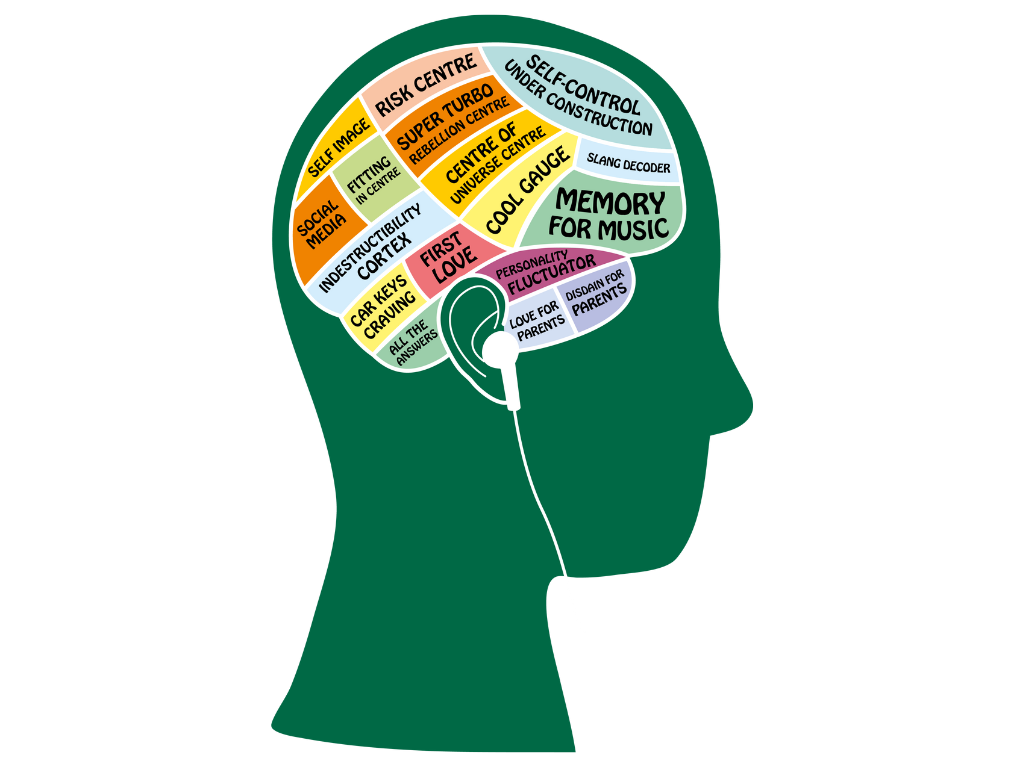
premiumtix.net – Adolescence is a pivotal period in human development, marked by significant physical, cognitive, and emotional changes. It is a time of exploration, identity formation, and the development of independence. Understanding the teenage mind is crucial for parents, educators, and anyone involved in the lives of adolescents. This article aims to shed light on the complexities of the teenage mind and offer guidance on how to navigate this transformative phase.

The Physical and Cognitive Changes

Adolescence is characterized by rapid physical growth and sexual maturation. These changes are driven by hormones and can significantly impact teenagers’ emotions and behaviors. Alongside physical changes, adolescents experience significant cognitive development. The prefrontal cortex, responsible for decision-making, impulse control, and understanding the consequences of actions, continues to develop into the early twenties. This ongoing development can lead to risk-taking behaviors and a sense of invulnerability, often referred to as the “teenage brain gap.”

Emotional and Social Development

Emotionally, teenagers are navigating a complex landscape. They are more aware of their emotions and those of others, yet they may struggle to manage these feelings. Peer relationships become increasingly important, and the desire for acceptance can lead to conformity and sensitivity to social rejection. Identity formation is a central task of adolescence, as teenagers explore who they are and who they want to become. This exploration can manifest in changes in appearance, interests, and values.

Navigating Adolescence: Tips for Parents and Educators

  1. Open Communication: Foster an environment where teenagers feel comfortable expressing their thoughts and feelings. Listen actively and validate their experiences, even when you disagree.
  2. Set Clear Boundaries: While it’s important to allow teenagers to experience independence, clear boundaries and consistent consequences are essential. This helps them understand the limits and encourages responsible decision-making.
  3. Encourage Healthy Risk-Taking: Channel teenagers’ desire for adventure into positive activities. Encourage them to try new hobbies, join clubs, or engage in community service. This can satisfy their need for excitement while promoting personal growth.
  4. Support Their Interests: Show interest in what matters to your teenager, whether it’s music, sports, or art. This not only strengthens your relationship but also helps you understand their world better.
  5. Promote Mental Health: Encourage healthy coping mechanisms for stress and emotions. If necessary, don’t hesitate to seek professional help for mental health issues. Early intervention can make a significant difference.
  6. Model Positive Behavior: Teenagers learn a lot by observing the adults around them. Model the behavior you want to see in them, such as kindness, resilience, and responsibility.

Conclusion

Navigating adolescence is a challenging yet rewarding journey for both teenagers and the adults in their lives. By understanding the unique aspects of the teenage mind and employing supportive strategies, parents and educators can help adolescents thrive during this critical phase of their lives. Remember, every teenager is unique, and what works for one may not work for another. The key is to remain patient, supportive, and open to learning alongside them as they navigate the complexities of growing up.

Navigating the Labyrinth of Discovery and Ethics

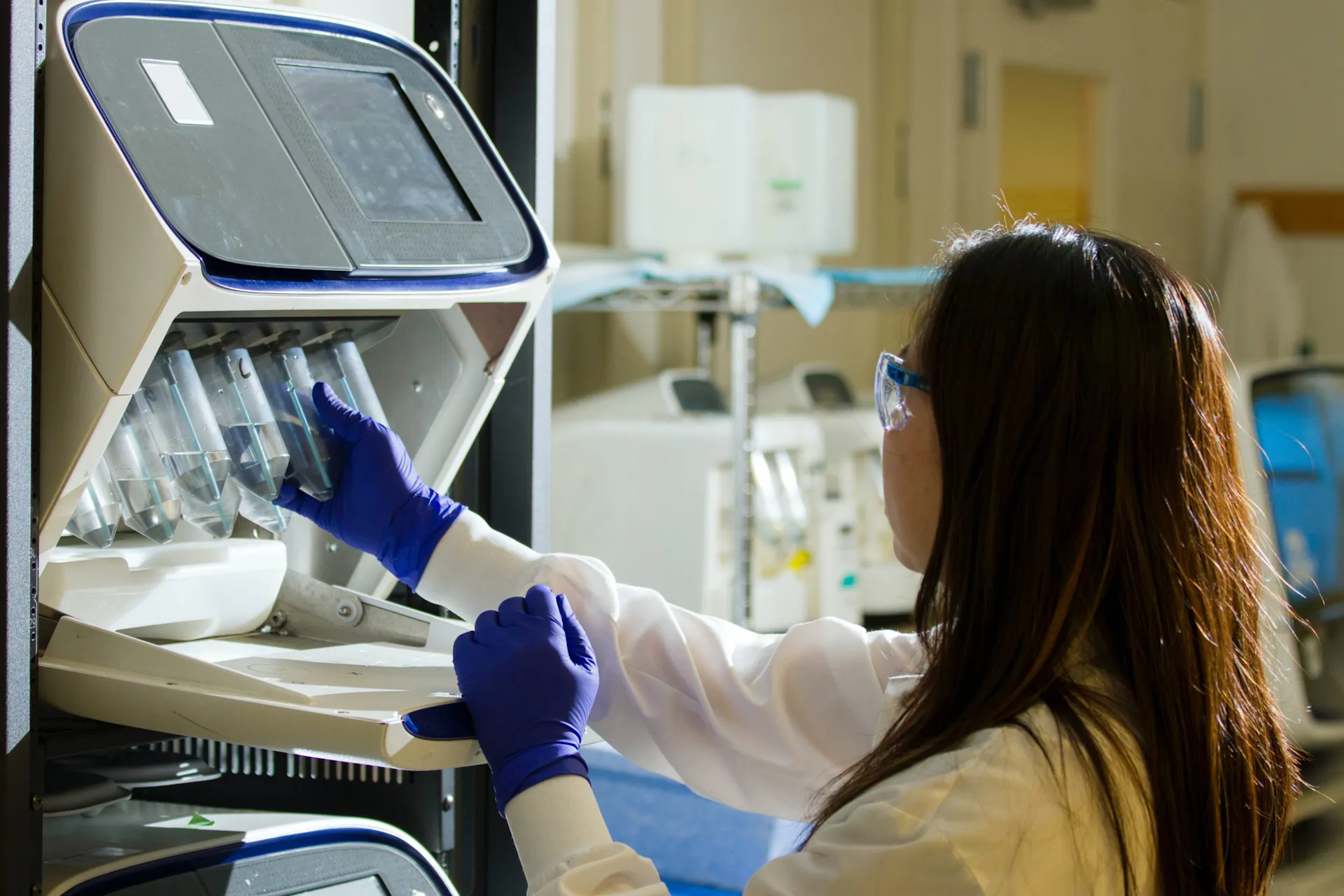
In the quest for knowledge and innovation, scientists often find themselves at the heart of a complex labyrinth, not just of scientific inquiry but of ethical considerations. This labyrinth, known as the scientist’s dilemma, is a metaphorical maze that challenges researchers to navigate the fine line between groundbreaking discovery and moral responsibility. The path is fraught with decisions that can impact not only the course of science but also the fabric of society and the environment. This article delves into the intricacies of the scientist’s dilemma, exploring the challenges and the ethical compass that guides researchers through the maze.

The Quest for Knowledge:

At the core of the scientist’s journey is the insatiable curiosity to understand the world, to unravel the mysteries of nature, and to push the boundaries of human knowledge. This quest is driven by a desire to improve lives, to solve problems, and to innovate. However, with each step forward, scientists must confront the potential consequences of their work, both intended and unintended.

Ethical Considerations:

The scientist’s dilemma often revolves around ethical considerations. Should a scientist pursue research that could lead to significant advancements but also poses risks to individuals or the environment? How does one balance the potential benefits of a discovery against its ethical implications? These questions are not hypothetical; they are the daily bread of researchers working in fields such as genetics, artificial intelligence, and climate science.

The Role of Regulation:

To help scientists navigate the dilemma, regulatory frameworks and ethical guidelines are put in place. These structures are designed to ensure that research is conducted responsibly, with consideration for the greater good. However, regulations can also stifle innovation and progress if they are too restrictive. The challenge, then, is to create a regulatory environment that protects society without hindering scientific advancement.

The Personal Struggle:

Beyond the external regulations, the scientist’s dilemma is also a deeply personal struggle. It is a battle between the ambition to achieve and the conscience to do right. Scientists must often make difficult choices that can affect their careers, their relationships, and their own moral compass. The weight of these decisions can be overwhelming, leading to a profound sense of responsibility and, at times, isolation.

The Search for Balance:

Finding a balance between scientific progress and ethical responsibility is the ultimate goal. This balance requires a multidisciplinary approach, involving not only scientists but also ethicists, policymakers, and the public. Open dialogue and collaboration are essential in addressing the scientist’s dilemma, ensuring that the benefits of scientific research are maximized while minimizing potential harms.

Conclusion:

The scientist’s dilemma is a testament to the complex nature of scientific inquiry and its impact on society. It is a reminder that with great knowledge comes great responsibility. As scientists continue to explore the unknown, they must remain vigilant, guided by a strong ethical compass and a commitment to the greater good. Only then can they hope to navigate the labyrinth of discovery and emerge with advancements that truly benefit humanity and the world we inhabit.