premiumtix.net – Stephen Frears’ 2006 historical drama, “The Queen,” offers a fascinating glimpse into the inner workings of the British royal family during the tumultuous aftermath of Princess Diana’s tragic death in 1997. The film deftly explores the clash between tradition and public sentiment, as Queen Elizabeth II grapples with her role as both a monarch and a human being.
A Tale of Two Leaders
The film centers on the dynamic between Queen Elizabeth II, portrayed with remarkable subtlety by Helen Mirren, and the newly elected British Prime Minister, Tony Blair, played by Michael Sheen. While the Queen adheres to a strict protocol and a sense of duty, Blair embodies the changing tides of public opinion, recognizing the need for the monarchy to adapt to the modern world.
The Weight of the Crown
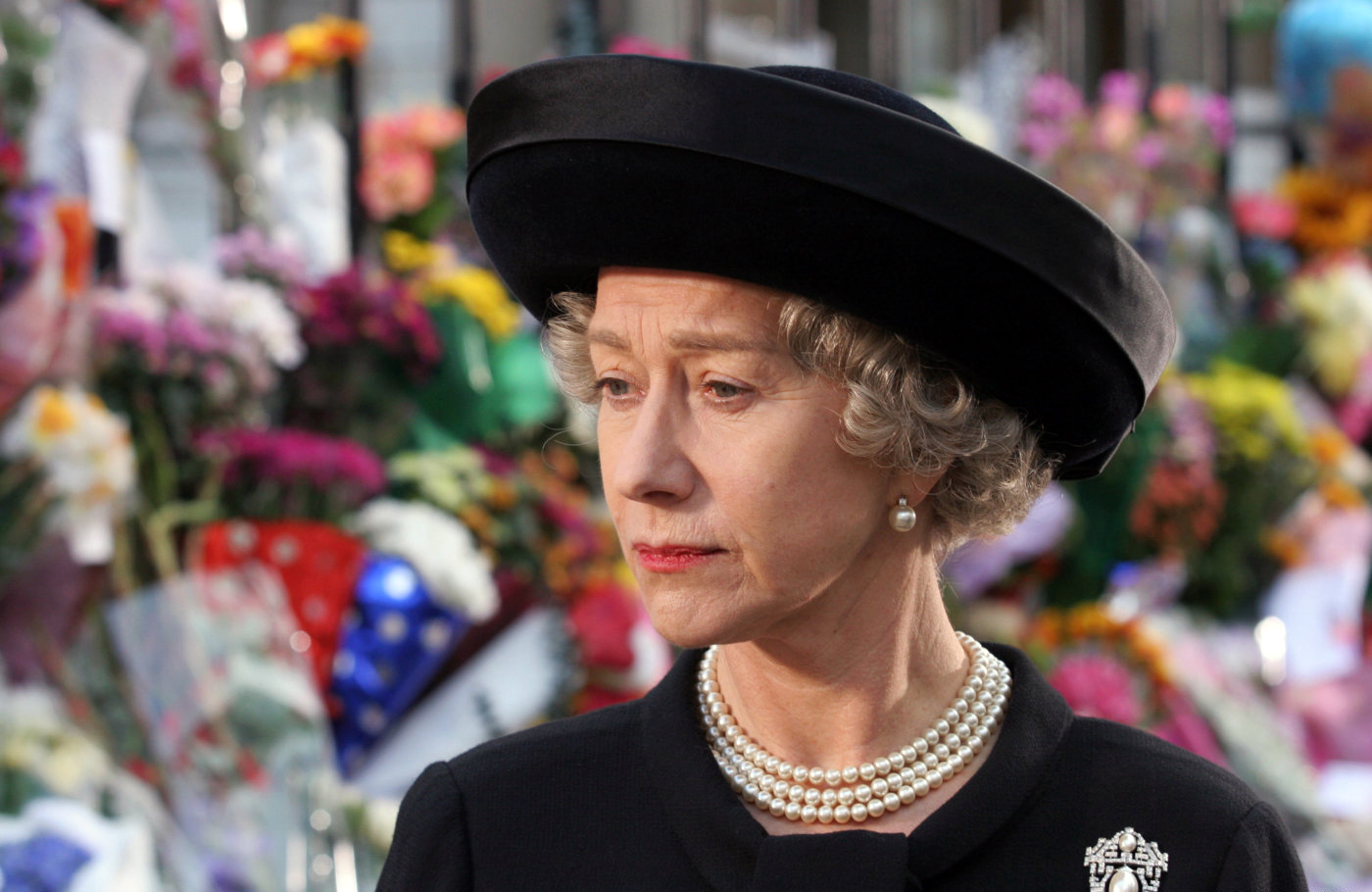
“The Queen” delves into the Queen’s internal struggle as she navigates the intense public grief and media scrutiny surrounding Diana’s death. The film highlights her stoic demeanor and her reluctance to publicly mourn, which contrasts sharply with the outpouring of emotion from the public. Mirren’s performance is particularly captivating, capturing the Queen’s quiet strength and her unwavering commitment to tradition.
A Clash of Cultures
The film also explores the cultural divide between the royal family and the British public. The Queen’s reserved nature and her adherence to protocol are juxtaposed with Blair’s more populist approach. The tension between these two worlds is palpable, as the Queen grapples with the changing expectations of the public and the need to maintain the dignity of the monarchy.
A Humanizing Portrait
“The Queen” offers a humanizing portrayal of the Queen, revealing her vulnerabilities and her deep sense of responsibility. The film also sheds light on the challenges faced by the monarchy in the modern era, as it seeks to balance tradition with public expectations.
A Critical and Commercial Success
“The Queen” received critical acclaim upon its release, with particular praise for Helen Mirren’s performance. The film was a commercial success, grossing over $135 million worldwide. It was nominated for numerous awards, including six Academy Awards, winning the Best Actress award for Mirren.
A Lasting Legacy
“The Queen” remains a compelling and thought-provoking film that offers a unique perspective on a pivotal moment in British history. It is a testament to the enduring power of cinema to illuminate the human condition, even in the most extraordinary circumstances.
Key Themes Explored in the Film:
- Tradition vs. Change: The film examines the tension between the monarchy’s adherence to tradition and the need to adapt to changing societal expectations.
- Public Sentiment vs. Private Grief: The Queen’s struggle to balance her public role with her personal grief is a central theme of the film.
- The Role of the Monarchy in Modern Society: The film raises questions about the relevance of the monarchy in the 21st century.
- The Power of the Media: The film highlights the influence of the media in shaping public opinion and its impact on the royal family.
Conclusion
“The Queen” is a masterclass in historical drama, offering a nuanced and insightful portrayal of one of the most significant events in recent British history. It is a film that continues to resonate with audiences, reminding us of the enduring power of human emotion and the complexities of leadership.