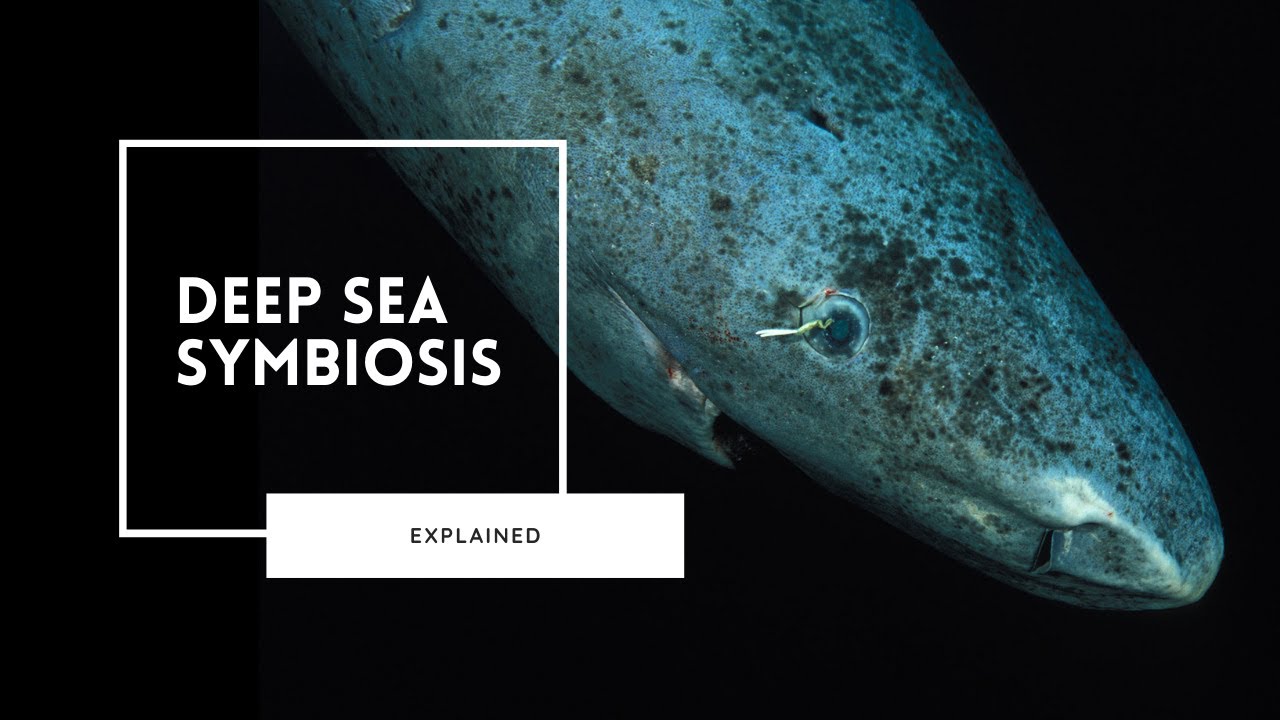
The Ocean’s Secret Symbiosis: The Interactions in the Deep

premiumtix.net – The vast, mysterious expanse of the ocean harbors a multitude of life forms, many of which engage in intricate symbiotic relationships that are crucial for their survival. These interactions, often hidden from the naked eye, play a significant role in maintaining the balance of marine ecosystems. In this article, we delve into the secret symbiosis of the ocean, exploring the fascinating relationships that thrive in the deep.

The Dance of the Cleaner Fish

One of the most well-known symbiotic relationships in the ocean is that of the cleaner fish. These small fish, such as the bluestreak cleaner wrasse, offer a unique service to larger marine inhabitants by removing parasites and dead skin from their bodies. In return, the cleaner fish receive protection and a steady food source. This mutualistic relationship is a testament to the complex social interactions that can occur underwater.

Corals and Their Algal Allies

Coral reefs, the vibrant underwater cities of the ocean, are a prime example of symbiosis. Corals form a partnership with microscopic algae known as zooxanthellae. The algae live within the coral’s tissues and produce food through photosynthesis, providing essential nutrients to the coral. In exchange, the coral offers the algae a protected environment and the carbon dioxide they need for photosynthesis. This symbiotic relationship is vital for the health and growth of coral reefs.

The Clownfish and Sea Anemone Alliance

The clownfish and sea anemone have a classic symbiotic relationship. Clownfish are immune to the stinging tentacles of their host anemone, which provides them with protection from predators. In return, the clownfish clean the anemone and even entice prey closer, which can become entangled in the anemone’s tentacles. This mutualistic relationship highlights the intricate balance of life in the ocean.

Sharks and Remoras

Another interesting symbiotic relationship is that between sharks and remoras, commonly known as suckerfish. Remoras attach themselves to sharks using a sucker-like disk on their heads, which allows them to hitch a ride and scavenge leftover food from the shark’s meals. This relationship benefits the remoras by providing them with transportation and food, while the shark remains largely unaffected.

Conclusion

The ocean’s secret symbiosis reveals the intricate web of life that exists beneath the waves. From the microscopic interactions within coral reefs to the larger-scale partnerships between fish and anemones, these symbiotic relationships are vital for the health and diversity of marine ecosystems. Understanding these interactions can help us appreciate the complexity of life in the ocean and the importance of preserving these delicate ecosystems for future generations.

The Power of Positive Interaction: Service with a Smile

premiumtix.net – In the bustling world of customer service, where transactions are often measured in seconds and satisfaction is key, the power of a positive interaction cannot be overstated. A simple smile, a warm greeting, or a helpful gesture can transform an ordinary exchange into a memorable experience. This article delves into the significance of positive interactions in service and explores how they can elevate customer satisfaction, foster loyalty, and enhance the overall reputation of a business.

The Impact of a Smile

At the heart of positive interaction lies the universal gesture of a smile. A genuine smile not only conveys friendliness and approachability but also has the power to reduce stress and increase trust. In a service setting, a smiling face can immediately put customers at ease, making them more receptive to assistance and more likely to remember the encounter positively.

The Psychology Behind Positive Interactions

Positive interactions are rooted in the principles of psychology. They tap into the human need for connection and recognition. When a service provider offers a warm, personalized experience, it triggers a positive emotional response in the customer. This emotional connection can lead to increased customer satisfaction and loyalty, as people are more likely to return to places where they feel valued and appreciated.

Building a Culture of Positive Interaction

Creating a culture of positive interaction within a business requires a concerted effort. It starts with hiring the right people—individuals who are naturally empathetic, friendly, and customer-focused. Training programs should emphasize the importance of positive interactions and provide staff with the tools and techniques to engage customers effectively. Recognizing and rewarding employees who excel in this area can further encourage a culture of positivity.

The Business Benefits of Positive Interactions

Investing in positive interactions yields tangible business benefits. Satisfied customers are more likely to become repeat buyers, recommend the business to others, and provide valuable feedback. Positive word-of-mouth is a powerful marketing tool, capable of attracting new customers and enhancing the business’s reputation. Moreover, a focus on positive interactions can reduce customer complaints and returns, saving time and resources in the long run.

Conclusion

In the competitive landscape of customer service, positive interactions are a game-changer. They have the power to differentiate a business from its competitors, create lasting customer relationships, and drive success. By prioritizing the power of a smile and the impact of positive interactions, businesses can unlock a world of opportunities for growth and customer satisfaction.