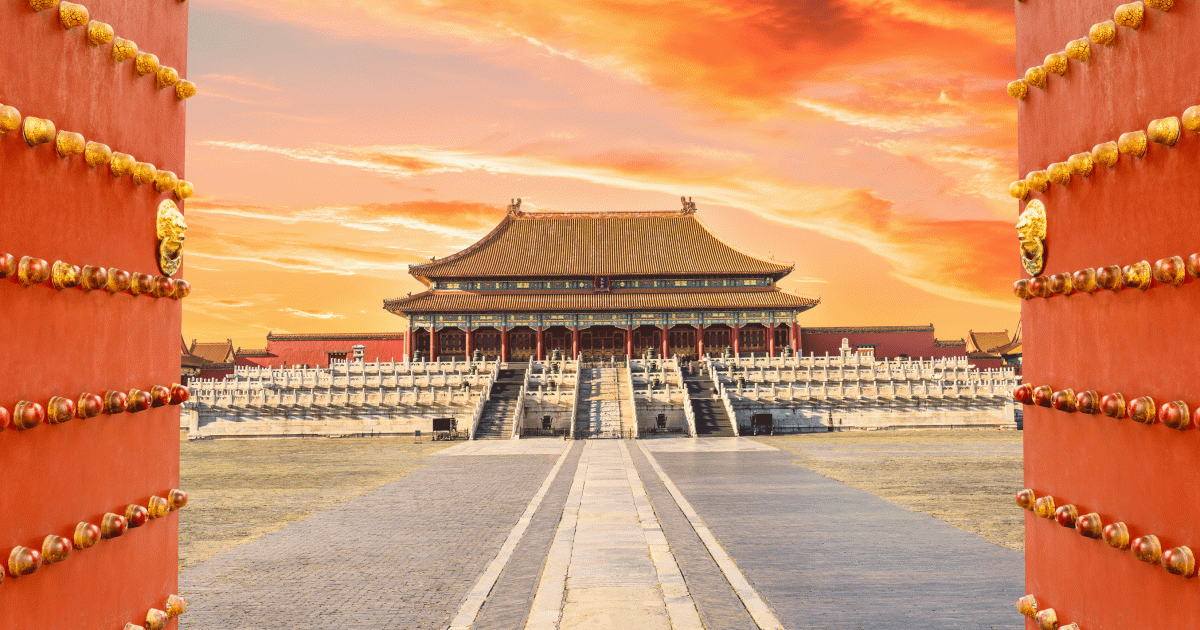
premiumtix.net – The Forbidden City, located in the heart of Beijing, China, is one of the most significant cultural and historical landmarks in the world. This magnificent palace complex served as the imperial palace for 24 emperors during the Ming and Qing dynasties. With its awe-inspiring architecture and rich history, the Forbidden City is a testament to China’s imperial past and a must-visit destination for history enthusiasts and travelers alike.
Historical Background
Construction of the Forbidden City began in 1406 under the orders of the Yongle Emperor, the third emperor of the Ming Dynasty. Completed in 1420, the complex spans over 180 acres and is surrounded by a massive moat and a 10-meter-high wall. For nearly 500 years, it served as the political and ceremonial center of Chinese government, housing emperors and their households, as well as being the seat of the Chinese government.
Architectural Marvel
The Forbidden City comprises approximately 980 surviving buildings, featuring traditional Chinese palatial architecture. It is renowned for its harmonious balance and symmetry, reflecting Confucian ideals of order. The complex is divided into two main sections: the Outer Court, where the emperor exercised his supreme power over the nation, and the Inner Court, which served as the residence of the emperor and his family.
Key structures within the Forbidden City include the Hall of Supreme Harmony, the largest and most important building, used for ceremonial occasions; the Hall of Central Harmony, a smaller hall used for rehearsals and preparation; and the Hall of Preserving Harmony, where banquets and imperial examinations were conducted. The intricate design details, such as the use of yellow roof tiles and red walls, symbolize imperial power and authority.
Cultural Significance
The Forbidden City is more than just an architectural wonder; it is a cultural symbol of China’s rich heritage. It houses an extensive collection of art and artifacts from the Ming and Qing dynasties, including paintings, ceramics, and imperial treasures. Today, the Forbidden City is home to the Palace Museum, which preserves these invaluable cultural relics and offers visitors a glimpse into the opulence of the imperial court.
Preservation and Tourism
In 1987, the Forbidden City was designated a UNESCO World Heritage Site, recognizing its historical and cultural significance. Efforts to preserve and restore the complex continue, ensuring that future generations can appreciate its grandeur. The site attracts millions of visitors each year, making it one of the most visited museums in the world.
Conclusion
The Forbidden City stands as a magnificent testament to China’s imperial history and architectural prowess. Its grandeur and cultural significance continue to captivate the imagination of people around the globe. Whether you are a history buff, an architecture enthusiast, or simply a curious traveler, a visit to the Forbidden City offers an unparalleled journey through time, allowing you to step into the world of ancient Chinese emperors and experience the splendor of a bygone era.
